
Vandaag of morgen in huis

Kwaliteit gegarandeerd

Welkomstaanbiedingen ontgrendelen: GRATIS bezorging | Tot 80% korting | Gratis 30 dagen JoyPlus-proefperiode
Download de app
At first glance, choosing a protein bar seems simple: pick a flavour, check the protein content and place your order. In practice, bars vary considerably in nutritional value, serving size, sweeteners and ingredients. As a result, a bar marketed as a protein bar may be more like a sweet snack with only a modest amount of protein.
For sportspeople, fitness enthusiasts and active adults, there are three pitfalls to watch out for:
First, compare the amount of protein in each individual bar. Depending on its size, a practical protein bar might contain 18 to 25 g of protein. Also check:
A 55 g bar containing 20 g of protein is not directly comparable with a 74 g bar containing 25 g of protein. A higher protein content may be appealing in a post-workout protein bar, while for a snack on the go you might be more interested in a smaller serving and a longer shelf life.
If you’re looking for a low-sugar protein bar, don’t just go by the front of the packaging. Check both “of which sugars” and “polyols” in the nutritional information. Ingredients such as maltitol, sucralose, isomalt and acesulfame-K are common.
Polyols can affect the sweetness and texture without being listed as ordinary sugar. According to product information from various brands, consuming too many may have a laxative effect. So don’t automatically build up a stock of several bars a day.
Many bars contain milk protein, whey protein, soya protein or hydrolysed collagen. The protein source can affect the taste and texture, as well as how well the bar suits your diet. For example, a bar containing nuts or peanut butter is not suitable if you have a peanut or nut allergy.
Also look out for possible traces of:
Always follow the information on the packaging, as ingredients and nutritional values may vary between flavours or product variants.

Why it suits this profile: The 50 g serving is easy to manage if you’re buying a protein bar for the first time and want to compare the nutritional information per bar.
The product information lists 25 g of protein, 0.7 g of sugar and 179 kcal per bar. That means you don’t have to rely solely on the percentage per 100 g.
50% protein according to the product information, chocolate flavour and a 50 g serving. Contains milk and soya, and may contain other allergens.
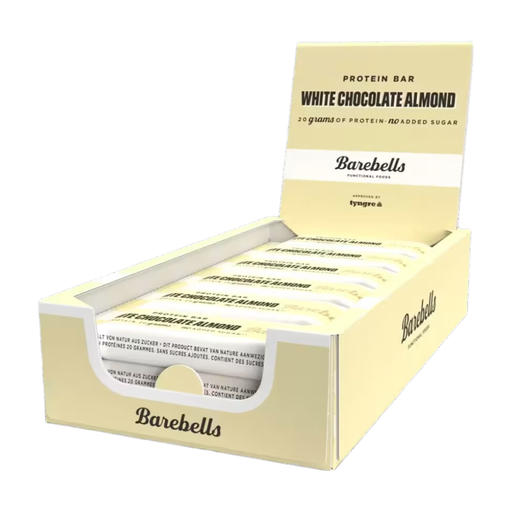
Why it suits this profile: A multipack of individually wrapped bars is ideal if you like to keep a regular snack ready for work, when you’re out and about or after a workout.
The product details list 20 g of protein, 1.3 g of sugar and 204 kcal per bar. The serving size is clear, unlike with a single bar when you don’t have a regular supply.
12 bars of 55 g, with 20 g of protein per bar and a white chocolate and almond flavour. Contains milk, soya and almonds; polyols are present.
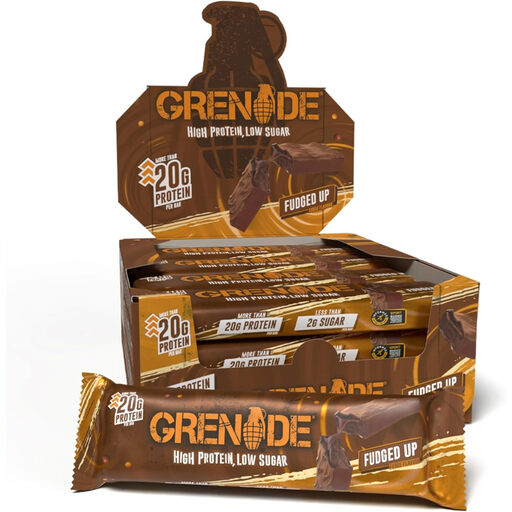
Why it suits this profile: A box of 12 bars is handy for regular gym-goers who want to keep a supply ready for after workouts or busy working days.
The Fudged Up variant lists 20 g of protein, 1.7 g of sugar and 15 g of polyols per 60 g bar. These figures show why you shouldn’t look at “low sugar” alone.
12 individually wrapped bars, with 20 g of protein per bar and 232 kcal per bar according to the product information. Contains milk and soya.
We’ve put together a complete, up-to-date list of products that meet these strict selection criteria and the applicable European safety regulations.
It depends on your overall diet and schedule. A protein bar can be handy if you can’t have a meal straight after working out. Check the serving size, calories and protein content. Treat the bar as part of a varied diet, not as a replacement for all your meals.
The best-before date is on the packaging. Protein bars should generally be stored in a cool, dry place, out of direct sunlight and away from heat and moisture. Once opened, it’s best to eat the bar the same day. Check the packaging before use, and don’t use the product if it is damaged.
A protein bar multipack may work out cheaper per bar and saves you having to order individual bars each time. Compare the price per bar or per 100 g, though. Also choose a flavour you actually enjoy; otherwise, you may not get through your stock. Take extra care with chocolate flavours in warm conditions, as the coating may melt.
