
Vandaag of morgen in huis

Kwaliteit gegarandeerd

Welkomstaanbiedingen ontgrendelen: GRATIS bezorging | Tot 80% korting | Gratis 30 dagen JoyPlus-proefperiode
Download de app
If you’re looking for high-protein sports nutrition, you’ll quickly come across terms such as “high protein”, “low sugar” and “fast absorption”. But eye-catching packaging doesn’t tell you everything about the ingredients, serving size or whether a product is right for when you plan to eat it. A few simple checks can help you avoid paying for something that doesn’t suit your training or daily routine.
A high percentage per 100 g may seem appealing, but the serving size determines how much protein you actually get. In practice, a 55 g bar with 20 g of protein may be more convenient than a larger bar with more calories and sugar. Always compare the values per serving and per 100 g.
A product with no added sugars may still contain naturally occurring sugars. Many protein bars are also sweetened with maltitol, sorbitol, xylitol or other polyols. Consuming too many can have a laxative effect. So check both the nutrition table and the ingredients list.
Approved nutrition claims state that protein contributes to the growth and maintenance of muscle mass. That doesn’t mean one protein shake or bar will automatically build muscle or fully restore it. Training, your overall diet, sleep and getting enough energy all remain important. Claims by brands about additional effects should also be treated as brand claims, not guaranteed personal results.
A protein powder may contain whey, casein, soya or a blend of protein sources. Whey is often chosen after exercise or when you want to make a shake quickly. Casein protein has a thicker texture and, according to product information, is often used between meals or before bed.
Check how many grams of protein there are per serving. When comparing products, it’s useful to look at:
If you’re looking for protein bars with no added sugars, check the full nutrition information. “No added sugars” doesn’t always mean zero grams of sugar. It’s also worth checking for polyols in low-sugar bars. A high amount can cause digestive discomfort for some people.
For home use, a large tub of protein powder may work out cheaper per serving. For on-the-go use, protein bars, high-protein snacks and sachets of powder are more convenient. A shake requires access to water and a shaker; a bar is ready to eat. A clear whey drink generally has a lighter, less milky texture than a traditional protein shake.
Check the preparation instructions too. For example, Optimum Nutrition Clear + Collagen specifies 24 g of powder with 500 ml of water. According to the product information, the casein products are mixed with around 300 to 360 ml of cold water. Follow the instructions on the packaging and adjust the amount of liquid to get the consistency you prefer.
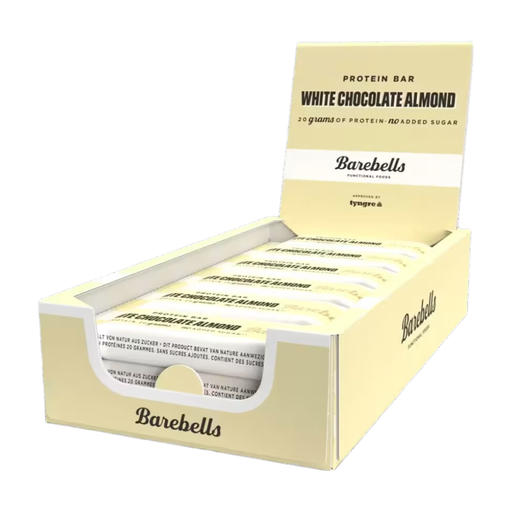
Why it suits this profile: The multipack contains 12 individually wrapped bars, making them an easy snack between meals, after exercise or on the go.
The serving values are clearly stated: 20 g of protein and 1.3 g of sugar per bar. The bar contains no added sugars, but it does contain polyols, so bear this in mind if you eat it frequently.
20 g of protein per 55 g bar, 4 g of fibre per bar and a box containing 12 servings.
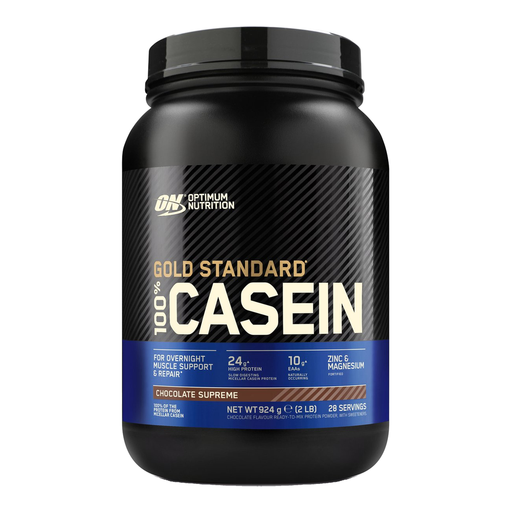
Why it suits this profile: If you’re looking to build an evening routine, this large tub of micellar casein provides 24 g of protein per serving and around 28 servings.
The product information lists the serving size, number of servings and preparation amount separately. This makes it easier to work out the cost per use than with a mix that doesn’t clearly state these details.
24 g of micellar casein per serving; low in sugar and fat according to the product description. Contains milk and may contain traces of other allergens.
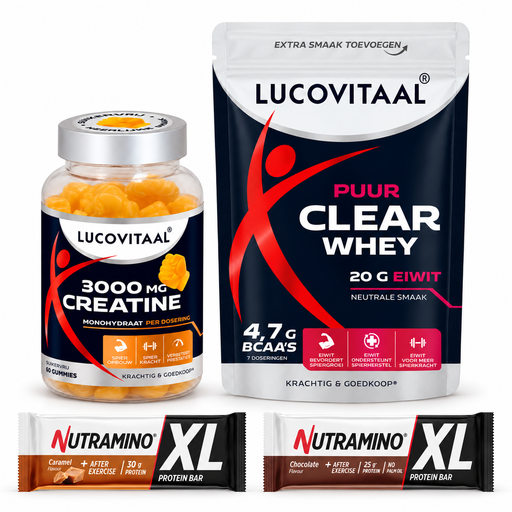
Why it suits this profile: This bundle combines creatine gummies, clear whey and two Nutramino XL bars, making it a convenient option for active people who want to cover several occasions with one purchase.
The bundle lists the contents of each item: according to the product information, three gummies provide 3,000 mg of creatine monohydrate, while the clear whey contains 20 g of protein per serving. Check the allergens and dosage for each item.
A combination of 60 gummies, 175 g of clear whey and two protein bars; ideal if you value variety and convenience.
Choose clear whey if you’re after a light drink without a milky texture, for example after a workout. Optimum Nutrition Clear + Collagen lists 10 g of whey isolate, 10 g of collagen peptides, 80 mg of vitamin C and around 84 kcal per serving. These figures come from the product description; don’t interpret the effects on muscles or joints as guaranteed personal results.
Casein protein may be a better choice for a shake between meals or before bed, if you don’t mind a thicker texture. A bar is particularly handy as sports nutrition on the go. Pay extra attention to polyols, calories and allergens such as milk, soya, nuts or gluten.
We’ve put together a full, up-to-date list of products that meet these strict selection criteria and the applicable European safety regulations.
You can have a shake after exercise, between meals or on a busy day. The most important thing is that it fits into your overall daily diet. Always follow the serving instructions on the packaging.
Not necessarily. Check the exact amount of sugar in each bar. Also look at the sweeteners and polyols, as a low sugar value doesn’t mean the product will be easy for everyone to digest.
Divide the purchase price by the number of servings or bars. Then compare the grams of protein per serving. A large tub of protein powder may work out cheaper per shake, while multipacks of bars are more convenient. Consider the flavour, allergens, storage instructions and whether you’ll actually use the product at the times you have planned.
