
Vandaag of morgen in huis

Kwaliteit gegarandeerd

Welkomstaanbiedingen ontgrendelen: GRATIS bezorging | Tot 80% korting | Gratis 30 dagen JoyPlus-proefperiode
Download de app
Buying protein powder seems simple until you have to choose between whey protein, whey isolate, clear whey, vegan protein powder, casein protein powder and a weight gainer. Packaging often emphasises terms such as “fast absorption”, “premium blend” or “muscle recovery”, but these words don’t always tell you enough about the ingredients or how to use the product.
Use these checks to avoid a poor purchase and compare products based on clear information: protein content, ingredients, allergens, serving size and what you need the powder for.
A high protein content doesn’t automatically make a product the right choice. Whey isolate is generally low in carbohydrates and fat, while a weight gainer adds plenty of calories and carbohydrates. That can be useful if you want to gain weight, but may be more than you need if you’re simply looking for a protein shake after exercise.
So always compare:
A product can contain little or no sugar and still include sweeteners, thickening agents or flavourings. So check the full ingredient list. For example, Ghost Clear Whey lists 0 grams of sugar per serving, but does use sweeteners. That won’t be a problem for everyone, but it may not suit every preference.
If you’re looking for a low-sugar protein powder, check the nutritional information per serving too. This can vary by flavour.
Whey protein and whey isolate come from milk. Many whey products also contain soya as an emulsifier. Vegan protein powder is free from milk, but may contain soya, peas or other plant-based ingredients.
When comparing products, look out for:
Whey protein is usually made from whey concentrate, isolate or a combination of the two. A blend can provide around 20 to 25 grams of protein per serving. According to the product information for the relevant variants, whey isolate often contains less fat and fewer carbohydrates than a standard whey blend. For example, Optimum Nutrition 100% Gold Standard Isolate lists 25 grams of protein and less than 0.5 grams of sugar per 31-gram serving.
Casein protein powder is often chosen for a different texture and use than whey. Resource Instant Protein is a casein-based product with 91 grams of protein per 100 grams. It is a food for special medical purposes for managing malnutrition or the risk of malnutrition, not a standard sports shake. Use this product in line with professional dietary advice and not as your sole source of nutrition.
Vegan protein powder is suitable if you want to avoid animal-derived ingredients. According to the product information, Lucovitaal Protein Soy Powder Pure is made from 100% soya protein isolate and provides 23 grams of protein per 25-gram serving. Optimum Nutrition Clear Protein 100% Plant Protein Isolate contains 20 grams of protein per serving, according to the packaging, and is intended for adults.
Beef protein can be an alternative if you want to avoid whey or soya. Applied Nutrition Beef-XP lists 27.2 grams of protein per 30-gram serving and contains no milk ingredients according to the ingredient list. Always check the label of the flavour you choose.
A large pack isn’t automatically better value. Work out the price per serving and check how much protein you actually get in each one. A 30-gram sachet is handy for trying a flavour first, while a 2-kilogram pack may be more practical if you use it every day.
Pay attention to the preparation instructions too. Some products are mixed with 180 to 240 millilitres of water, while a clear whey may need around 475 to 600 millilitres of liquid. This can affect the taste, convenience and how much you drink around your workout.
For protein powder for muscle growth or as a protein powder after exercise, the protein per serving, flavour and mixability are particularly relevant. If you’re aiming to gain weight, a weight gainer may be a better fit. Optimum Nutrition Serious Mass lists around 50 grams of protein, 250 grams of carbohydrates and approximately 1,269 to 1,292 kilocalories per 334-gram serving. This is for a very different purpose from a standard protein shake.
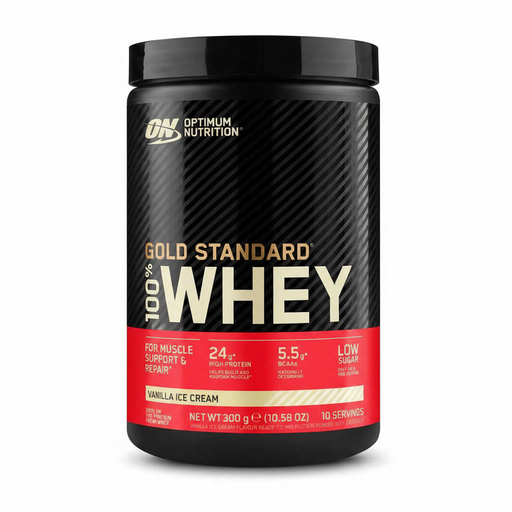
Why it suits this profile: The 300-gram pack is a handy size if you want to try a whey blend without buying a large supply straight away.
The product information lists 24 grams of protein per serving of around 32 grams, making it easy to check the serving size and nutritional values.
Whey blend with isolate, concentrate and hydrolysed whey; around 1.2 grams of sugar per serving according to the listed nutritional information.

Why it suits this profile: This whey isolate is aimed at adults who want a relatively high amount of protein and little sugar in each shake.
The product page clearly identifies the protein source as whey protein isolate and lists less than 0.5 grams of sugar and fat per serving.
25 grams of protein per serving; 31 servings per pack; contains milk and soya.
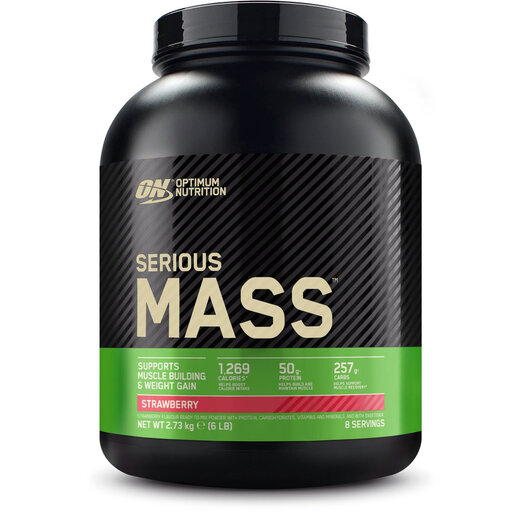
Why it suits this profile: This weight gainer is for adults who want to add plenty of extra calories and carbohydrates to their diet as well as protein.
The high nutritional values per serving are clear: around 1,269 to 1,292 kilocalories and 250 grams of carbohydrates. This helps distinguish it from regular whey.
50 grams of protein per serving; also contains carbohydrates, vitamins and minerals; contains milk, egg and wheat gluten.
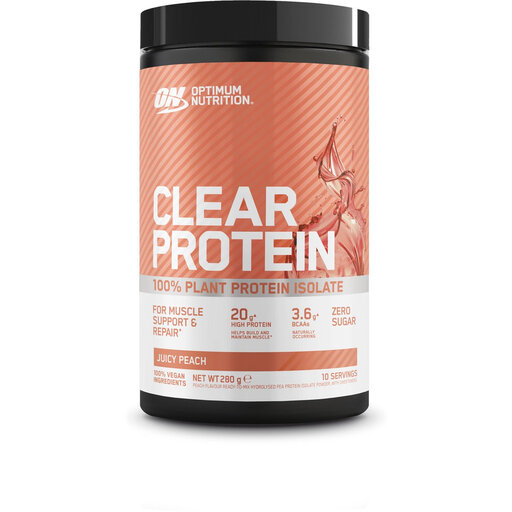
Why it suits this profile: This plant-based isolate is designed for vegans and anyone who prefers a light, non-creamy drink.
The product information clearly states that it contains 100% plant protein isolate, is suitable for vegans and has 0 grams of sugar per serving.
20 grams of protein per serving; 10 servings; recommended with around 600 millilitres of cold water.
We’ve put together a complete, up-to-date list of products that meet these strict selection criteria and comply with current European safety regulations.
First, consider your total daily protein intake, then choose a product that’s easy for you to use. Whey protein and whey isolate are practical options around a workout. Vegan protein powder is a good fit if you avoid animal-derived ingredients. Protein alone is no substitute for a varied diet or a training plan.
No. Whey isolate often contains less lactose than whey concentrate, but always check the packaging. Don’t assume a product is “lactose-free” based on its name. If you have a milk protein allergy, whey with low lactose content isn’t automatically suitable either.
Follow the best-before date and storage instructions on the packaging. Seal the pack tightly after use and store the powder in a dry place, away from direct sunlight. Once opened, moisture and heat can affect its texture and mixability. If in doubt, check the smell, colour and texture before using it.
