
Vandaag of morgen in huis

Kwaliteit gegarandeerd

Welkomstaanbiedingen ontgrendelen: GRATIS bezorging | Tot 80% korting | Gratis 30 dagen JoyPlus-proefperiode
Download de app
If you want to add extra protein to your diet, you’ll soon come across dozens of types of protein powder. Whey protein, whey isolate, vegan protein powder, clear whey and weight gainers can look very similar, but they’re designed for different nutritional goals. A high price or eye-catching packaging says little about whether a product is right for you.
The most common buying mistakes come down to three pitfalls:
Start by checking the nutrition table. Look at:
A whey blend, for example, may contain whey concentrate, whey isolate and hydrolysed whey. A product containing only whey isolate will usually have a different composition from a blend. So don’t rely on terms such as “rapid absorption” alone: check the ingredients list and nutrition information.
Whey protein comes from milk. Whey isolate is a concentrated form of whey and is often chosen by people who want relatively high protein per serving and fewer carbohydrates. Hydrolysed whey has been pre-processed into shorter protein chains. Product descriptions may link this to easy preparation or rapid absorption, but in practice your choice will depend mainly on the ingredients, price and personal preference.
For a vegan or lactose-free diet, soya protein, pea protein, rice protein or a blend of these are sensible options. For example, Lucovitaal Protein Soy Powder Pure lists 23 g of protein per 25 g serving and, according to the product information, is made from 100% soya protein isolate. Always check the label if you have a soya allergy.
Beef protein is an alternative if you want to avoid milk and soya proteins. Check the ingredients list here too: “beef protein” doesn’t automatically mean that every product is suitable for every allergy or dietary preference.
A protein shake is convenient after a workout, but you can also add protein powder to yoghurt, porridge or a smoothie. An unflavoured option such as soya protein works well in recipes. Flavoured whey is easier to mix with water or milk.
Clear whey is usually lighter and more like squash than a creamy shake. According to the product information, Lucovitaal Pure Clear Whey contains whey protein isolate and provides 20 g of protein per serving. A plant-based clear protein may appeal if you’re looking for a non-creamy drink.
Choose a pack size that suits how often you’ll use it, too. A 300 g bag is a good size for trying a flavour. Larger packs may work out cheaper per serving, but only if you already know you like the ingredients and taste. A weight gainer is a different category: it contains plenty of carbohydrates and calories as well as protein, and is mainly for people who deliberately want to increase their energy intake.
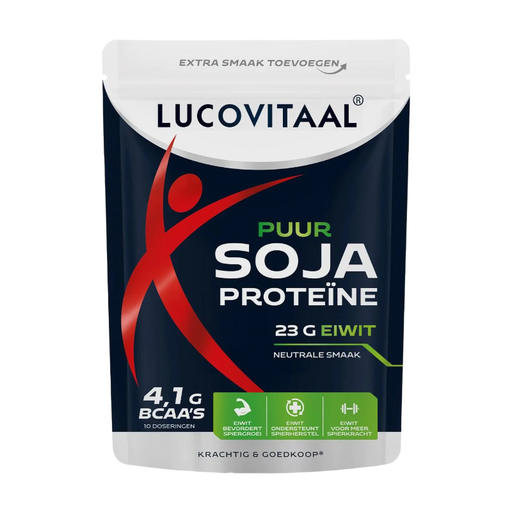
Why it suits this profile: Its unflavoured taste and 25 g serving make this soya protein a good option to try in shakes, smoothies or baking.
The product information lists one ingredient: soya protein isolate. This makes the protein source easy to check. According to the label, the product contains no added sugar, colourings or lactose.
23 g of protein per serving, 92 g per 100 g and an unflavoured taste. Please note: this product contains soya.

Why it suits this profile: This whey isolate is designed for adults looking for a clearly listed composition and a consistent daily serving around their workouts or between meals.
The serving size is clearly stated: around 31 g of powder provides 25 g of protein. The nutrition information also lists less than 1 g of carbohydrates and less than 0.5 g of sugar per serving.
25 g of protein per shake, 31 servings and a short ingredients list with whey protein isolate as the protein source. Contains milk and soya.
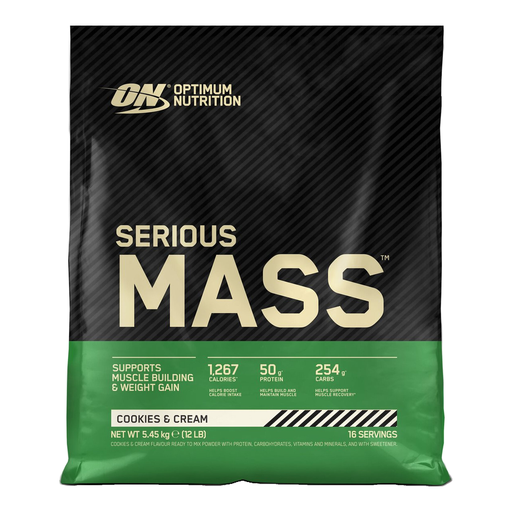
Why it suits this profile: This weight gainer is designed for adults who deliberately want to add plenty of extra calories and carbohydrates to their diet, as well as protein.
The product information makes it clear that this isn’t an ordinary protein shake. According to the label, a serving contains 50 g of protein and around 250 g of carbohydrates, so you’ll need to factor the calories into your diet.
Large 5.45 kg pack and a formula containing protein, carbohydrates and additional ingredients. Contains milk, gluten and egg.
Use this quick checklist:
Food supplements are not a substitute for a varied diet. Follow the recommended serving on the label and speak to a doctor or dietitian if you have a medical condition, take medication, are pregnant or are breastfeeding.
We’ve put together a complete, up-to-date list of products that meet these strict selection criteria and the applicable European safety regulations.
Whey, soya protein and plant-based blends can all provide extra protein. Focus on the protein per serving, the overall nutrition information and a protein source that suits your diet. Under an EU-authorised nutrition claim, protein contributes to the growth and maintenance of muscle mass as part of a varied diet.
You can have a protein shake after a workout if it fits conveniently into your daily diet. There’s no need for everyone to take it at a fixed time. You can also have it with breakfast, between meals or blended into a smoothie.
The best-before date is shown on the packaging. Store the powder in a cool, dry place away from direct sunlight, and keep the packaging tightly closed. Once opened, check its smell, colour and texture. Don’t use it if it has become damp or smells different from expected.
