
Students looking for a soft snack
If you want something ready to eat between unpacking and studying, a single egg cake can be a handy option. Albert Heijn lists a 30 g serving for the standard egg cake included in the research.


If you want to grab a soft, individually portioned snack while moving in, an egg cake could suit you; if you’d rather keep a crunchy biscuit in your cupboard, consider digestives. To choose between standard and wholemeal varieties, compare the fibre and other nutritional information per 100 g, and check the ingredients and allergens on the pack you’re buying if you have dietary requirements.
If you want something ready to eat between unpacking and studying, a single egg cake can be a handy option. Albert Heijn lists a 30 g serving for the standard egg cake included in the research.
You want to know what wholemeal means for each type of biscuit. Albert Heijn’s nutritional information lists different fibre values for the standard and wholemeal varieties included in the research; compare their sugar, fat and salt too.
If you avoid certain ingredients, the exact variety matters more than just the type of biscuit. For example, a label saying vegan or lactose-free doesn’t tell you whether a digestive contains wheat.
Start with when you’ll eat it: would you prefer a soft egg cake or a crunchy digestive? Then compare the serving size, nutritional information and any ingredients you want to avoid. Wholemeal is a separate choice for both types.
| What to consider | What to check before buying | Who is this important for? |
|---|---|---|
| Serving size and convenience | Check the serving size and energy per serving, and think about how many biscuits you’ll have in one sitting. | Between moving boxes and lectures, I want to be able to grab a snack without measuring it out. Around 31% of consumers prioritise a clear serving size like this. |
| Fibre and wholemeal | Compare fibre per 100 g, and also check the values for sugar, fat and salt. | If I choose a wholemeal variety, I want to know how much fibre it actually contains without overlooking the rest of the nutritional information. Fibre is the top priority for around 31% of consumers. |
| Ingredients and allergens | Read the ingredients, listed allergens and any warnings about traces on the current packaging. | I need to be able to check whether this particular biscuit contains ingredients I avoid; a general claim on the front isn’t enough. This is the first priority for around 23% of consumers. |
| Taste and storage | Choose between soft and crunchy, and check the storage instructions and pack size. | For my student room, I want biscuits I enjoy and can store properly once opened. Around 15% of consumers put this practical consideration first. |
The name doesn’t tell you how its overall nutritional value compares with an egg cake. According to Albert Heijn, the standard AH Digestive included in the research contains 21 g of fat per 100 g.
Check the nutritional information per 100 g and per serving on the pack, rather than basing your choice on the product name.
Albert Heijn lists 31 g of sugar per 100 g for both the standard and wholemeal egg cakes included in the research, while their fibre values differ.
When comparing wholemeal varieties, check the fibre, but look at the sugar, fat and salt separately too.
According to Albert Heijn, the AH Digestive included in the research is vegan and lactose-free, but it contains wheat. The AH egg cake included in the research lists egg, milk and soya, among other ingredients.
Read the allergen information and any ‘may contain’ warnings for the exact variety you’re buying.
If you don’t finish a pack in time or don’t seal it properly after opening, that size may not suit how often you eat biscuits.
Check the best-before date and storage instructions on the pack, and seal any opened biscuits properly.
The own-brand products included in the research feature both standard and wholemeal egg cakes and digestives.
Brosse Eierkoek Kaneel has a different texture and flavour from a standard soft egg cake.
A chocolate digestive offers a different flavour choice from a biscuit without a chocolate coating.
The range included in the research features egg cakes, including a wholemeal variety, as well as a wholemeal digestive.
Lidl lists plain digestives and uses Sondey as a brand for biscuits and other baked goods.
The products included in the research are Heerlijck Banket Scharreleierkoeken and Biscotto Digestive Biscuits: two separate choices.
This product selection is for fans of the classic digestive: a biscuit for anyone who’d rather keep something crunchy in the cupboard than a soft egg cake.
 No image available
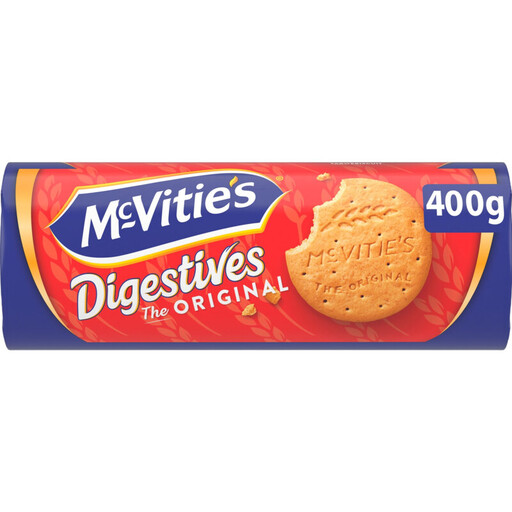
A classic digestive biscuit for anyone looking for a crunchy snack to keep in the cupboard.
400 g pack. According to the Joybuy product information, these biscuits taste best when stored in a dry, preferably cool place.
No. Compare the nutritional information for the specific products instead. Albert Heijn lists 21 g of fat per 100 g for the standard AH Digestive included in the research, compared with 3.7 g per 100 g for the standard AH Eierkoeken; the wholemeal varieties have different fibre values again.
According to Albert Heijn, the standard and wholemeal AH Digestives included in the research are vegan and lactose-free. Both contain wheat, though, so check the ingredients and any warnings on the current packaging before choosing a variety.
Follow the storage instructions on the packaging and seal opened biscuits properly. The product information included in the research recommends storing them in a dry place; for McVities Digestive Original, Joybuy also recommends keeping them somewhere cool if possible.
Read the allergen information for the exact variety and look out for any ‘may contain’ warnings too. The Netherlands Food and Consumer Product Safety Authority highlights the importance of allergen information on labels; the egg cake included in the research lists egg, milk and soya, among other ingredients, while the AH Digestive included in the research contains wheat.