
Those comparing portions and ingredients
You buy biscuits for several occasions during the week and want to look beyond pack weight to portion size, sugars, fibre, fat and salt.


Choose an egg cake if you want a soft bake for your weekly shop; choose a digestive biscuit if you prefer a crunchy biscuit. The right pack also depends on your usual portion, the nutritional information and any allergens: compare products per 100 g and per portion, and check the current label.
You buy biscuits for several occasions during the week and want to look beyond pack weight to portion size, sugars, fibre, fat and salt.
You check ingredients such as wheat, egg, milk or soya before buying, and look out for warnings about possible cross-contamination where needed.
You’re looking for a pack that suits eating at home or taking out with you, and want to choose between soft egg cakes and crunchy biscuits.
First decide whether you want a soft egg cake or a crunchy digestive biscuit. Then compare the portions, nutritional information and allergens on the packs you’re considering.
A good choice if: you’re looking for a soft bake. Albert Heijn lists a 30 g portion for its classic egg cake.
Keep in mind: the classic egg cakes reviewed contain ingredients including wheat, egg, milk and soya; check the label of the product you choose.
A good choice if: you want a crunchy biscuit. Albert Heijn lists a 15 g portion for its classic Digestive.
Keep in mind: compare fat and salt per 100 g too; the portion for this biscuit is smaller than the one listed for the egg cake above.
| What to consider | What to check before buying | Who it matters to |
|---|---|---|
| Nutrition and portion size | Compare energy, sugars, fat, fibre and salt per 100 g, then check the figures for your usual portion. | If I’m buying for several occasions, I want to know what a typical portion means for me and how the products are made. For around 50% of consumers, ingredients and portion size are the top priorities. |
| Weekly stock-up and texture | Check the pack weight, number of biscuits or portions and storage instructions; choose a texture you’ll actually enjoy eating. | A pack needs to fit my plans for the week. I don’t want to buy a soft bake when what I really want is something crunchy. Around 30% of consumers prioritise stocking up and convenience. |
| Allergens and dietary requirements | Read the current ingredients list, allergen information and any warnings; check the packaging itself for a gluten-free label if you need one. | If I need to avoid certain ingredients, the label determines which pack is suitable. For around 20% of consumers, this is the top priority. |
For the wholegrain egg cakes reviewed, Jumbo lists 3.9 g of fibre and 33.6 g of sugars per 100 g. So the wholegrain label doesn’t tell you how much sugar the product contains.
Compare the nutrition information per 100 g with that of the other products you’re considering, then check your portion size.
Egg cakes and digestive biscuits can contain different allergens. A biscuit labelled gluten-free may also contain other allergens.
Check the current label every time you buy, including warnings about possible cross-contamination. Don’t rely on the product name or a pack you bought before.
Albert Heijn lists 65 kcal per biscuit for Bolletje Brosse Eierkoek Melk, but also 42 g of sugars and 9.2 g of saturated fat per 100 g. The figures per biscuit and per 100 g answer different questions.
Use the portion value to see what you’re eating at one time, and the value per 100 g to compare packs.
Its own-brand range includes classic and wholegrain egg cakes, as well as classic digestive biscuits.
Its classic and wholegrain egg cakes offer two varieties to compare within the same type of bake.
Brosse Eierkoek Melk is a different type of egg cake from the soft, classic version.
Verkade Verk Digestive Puur is a digestive biscuit with dark chocolate, not a classic egg cake.
The range reviewed includes Heerlijck Banket scharreleierkoeken and Biscotto Digestive Biscuits.
Lidl is another shop to consider when looking for egg cakes for your weekly shop.
These products fit the digestive biscuit option: a classic biscuit and a dark chocolate variety. To choose between them, check the ingredients and nutrition information on each pack.
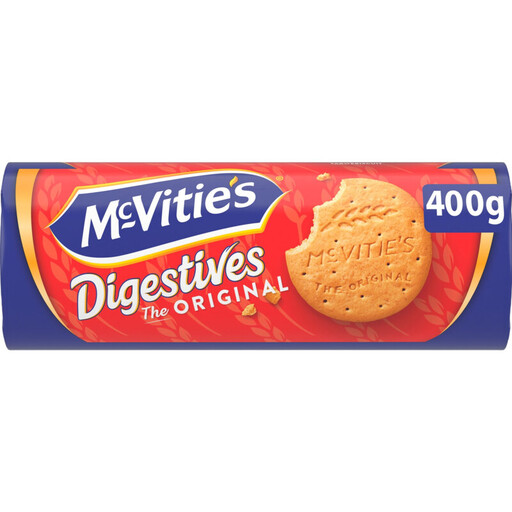 Image unavailable
A classic digestive biscuit for anyone looking to add this type of biscuit to their weekly shop.
400 g pack. Check the nutrition information, ingredients and allergens on the current packaging.
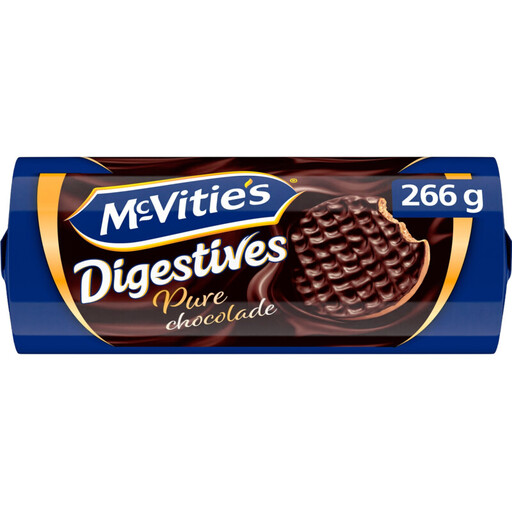 Image unavailable
A digestive biscuit for anyone looking for a biscuit with dark chocolate as part of their weekly shop.
266 g pack. For portion planning, check the pack to see how many biscuits and portions it contains; check the ingredients and allergens too.
Use both: per 100 g lets you compare the nutritional make-up, while the portion shows what you’re having at one time. Albert Heijn lists a 30 g portion for the classic egg cake reviewed and a 15 g portion for its classic Digestive.
Don’t assume so: the classic varieties reviewed list wheat or cereals containing gluten. Check whether the specific product is labelled gluten-free, and read the current pack for all other allergens and warnings too.
Always check the ingredients that are relevant to you. The products reviewed include ingredients such as wheat, egg, milk and soya. The Netherlands Food and Consumer Product Safety Authority explains how allergens are listed on the labels of pre-packed foods. Check for warnings about possible cross-contamination too.
Follow the instructions on the pack you choose. Albert Heijn recommends storing the egg cakes reviewed in a cool, dry, dark place and closing the pack tightly. For the AH Digestive reviewed, it recommends storing them in a cool, dark, dry place and using a sealed tin once opened.
No, don’t use the score as your only way to choose between these types of biscuit. Albert Heijn and Lidl describe Nutri-Score as a tool for comparing products within a category; also check the nutrition information, ingredients and portion size of the products you’re considering.