
Vandaag of morgen in huis

Kwaliteit gegarandeerd

Welkomstaanbiedingen ontgrendelen: GRATIS bezorging | Tot 80% korting | Gratis 30 dagen JoyPlus-proefperiode
Download de app
Educational toys can help children build, count, move, discover stories, or create something themselves. Yet not every product labelled “educational” is automatically a wise purchase. A bright box, a long list of features, or a promise of “smart learning” means very little without clear product specifications.
For parents, grandparents, and gift-givers, there are three key pitfalls to watch out for:
Too many features, not enough play value
A toy robot with lights, sound, dance programmes and a remote control might look appealing. But if the controls are complicated or the activities quickly become repetitive, the toy may end up unused.
Ignoring the age recommendation
A construction set with small parts is not suitable for a toddler, even if the child enjoys playing independently. On the other hand, a toy labelled for ages 3+ may be far too simple for a teenager looking for a technical project.
Hidden running costs
Check whether batteries, chargers, spare parts, or special materials are required. An electronic gift, for example, might need batteries that aren’t included. With an RC car, the charging time and play duration are also important to consider.
Look beyond “for boys and girls”. Check the official age rating, warnings, and whether magnets are present. The Tokky set, for instance, contains 48 magnetic tiles and is recommended from age 3, but the product information clearly warns that swallowed magnets can cause serious harm. So keep magnetic toys away from young children and regularly check that parts aren’t damaged.
Even with toys for ages 3+, supervision is sensible when small parts, batteries, cables, or moving mechanisms are involved. A DIY construction kit or wooden 3D puzzle for ages 14+ also requires patience and a suitable workspace.
With magnetic building blocks and construction sets for children, rounded edges, a sturdy connection, and material information are important points to check. According to the product description, the Tokky tiles are made from transparent ABS and have rounded edges. These are verifiable features; claims about being “safe” or “extra strong” should always be weighed against the official warnings.
For a wooden 3D puzzle, pay attention to the size of the finished model, the assembly technique, and how to care for it. The Robotime Rolife Electric Guitar uses plywood and ABS parts, according to the product information. The model is static, doesn’t need batteries, and measures approximately 22 × 17 × 10.5 cm when assembled. So it’s both an imaginative toy and a decorative piece, but not a real electric guitar.
With interactive toys, check the following:
The stated usage time is a product specification, not a guarantee for every situation. Volume, driving style, surface, and frequency of use all affect battery life, for example. With an electric kids’ motorbike, the product information states a speed of 3 km/h, a charging time of 8 to 12 hours, and a usage time of around 40 minutes. That makes it best suited for short rides on a flat surface.
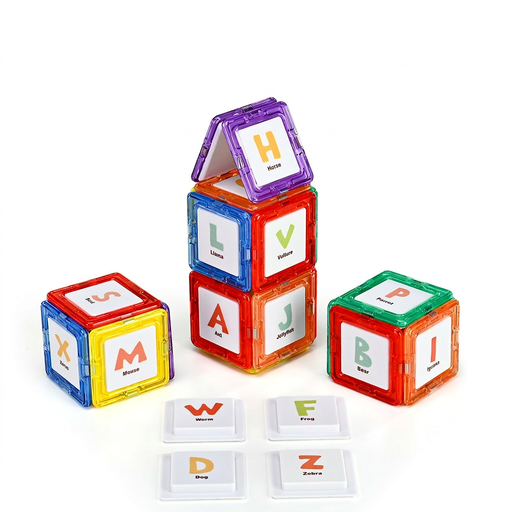
Why it fits this profile: A straightforward set for children aged 3 and up who enjoy building while also recognising letters. No batteries required.
The set clearly states the number of pieces, material, and age range. Do note the separate magnet warning.
48 ABS tiles, alphabet theme, and no batteries needed.
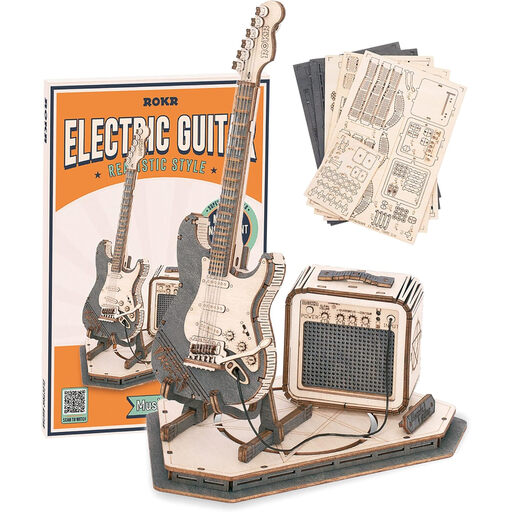
Why it fits this profile: For teenagers and adults who want to combine a relaxing DIY project with music-inspired design and home decor.
The product information states that no glue is needed and that the model is for display purposes only. This makes expectations clear.
No power needed, approximately 22 cm tall, and suitable from age 14.
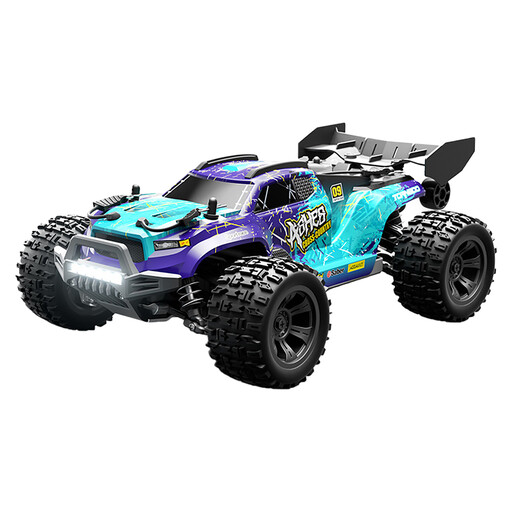
Why it fits this profile: For teenagers aged 14+ and adults who want to drive outdoors and value four-wheel drive and a rechargeable battery.
The set specifies the 7.4V 1500mAh battery, 2.4GHz transmitter, and included USB cable. The three AA batteries for the transmitter are not included.
4WD, off-road tyres, LED lights, and a rechargeable battery included.
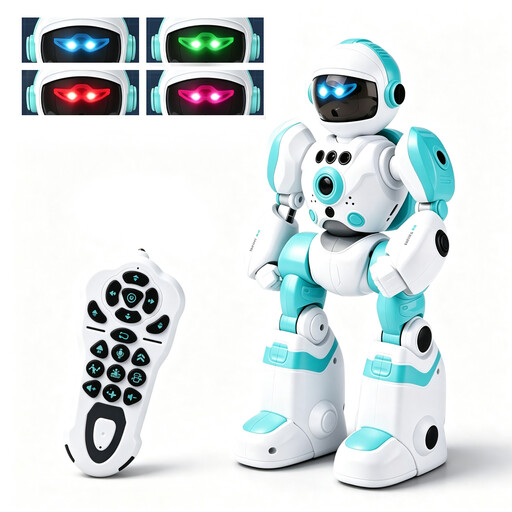
Why it fits this profile: For children aged 3 and up who enjoy responding to sound, movement, and remote control. Suitable for indoor use with supervision.
According to the product description, voice control, remote control, and gesture control are all available. Check beforehand whether the child can use these features independently.
Rechargeable battery, USB cable, stories, songs, and programmable actions according to the product information.
We’ve put together a full, up-to-date list of products that fully meet these strict selection criteria and comply with current European safety regulations.
Choose toys with a clear age rating, rounded parts, and a simple play concept. Magnetic building blocks, imaginative toys, a simple till, or a robot with limited controls can all work. Always check the warnings for small parts and magnets.
No. STEM play can also involve magnetic building sets, a DIY construction kit, a wooden 3D puzzle, or a construction set. The most important thing is that the child investigates, builds, organises, or solves something. An electronic product isn’t automatically more educational than a hands-on construction set.
Match the toy to the child’s age, interests, and the space available. For a birthday, an interactive robot or RC car might be appealing; for a calm activity, a wooden model or construction set could be a better fit. Also check batteries, charging time, accessories, and the level of supervision needed before you order.
