
Vandaag of morgen in huis

Kwaliteit gegarandeerd

Welkomstaanbiedingen ontgrendelen: GRATIS bezorging | Tot 80% korting | Gratis 30 dagen JoyPlus-proefperiode
Download de app
Educational toys for children can help make playtime more varied. However, not every product with a learning-focused description is automatically right for your child. A toy that looks appealing in a product photo can turn out to be too big, too loud, difficult to clean, or simply unsuitable for their age once you get it home.
As a Joybuy Product Recommendation Officer, I therefore focus on verifiable details: the recommended age, the material, the dimensions, the number of pieces, the intended use scenario and the safety information. This way, you can compare toys on practical points rather than marketing language.
Interactive toys with lights, sounds and songs often catch the eye. But first check how they are powered, whether the volume is adjustable and how much space they take up. The VTech Scoop & Learn Ice Cream Cart, for example, requires three AA batteries and measures 21.7 × 51.6 × 63.2 cm. That matters if the toy needs to fit in a compact British living room.
“From 1 year” does not mean that every twelve-month-old can use all the parts independently. Pay attention to small parts, supervision and the motor skills required. With baby toys and toddler toys, it is wise to check the warnings on both the packaging and the product page.
If you come across conflicting information, such as different age mentions in a description, stick to the strictest limit until the manufacturer clarifies it.
Toys for young children regularly end up on the floor, in the bath or in their mouths. So check whether parts are dishwasher-safe, whether electronics must be kept dry, and how large the toy is after use. A product that is difficult to clean or store will be used less often in practice.
Choose toys from 1 year, toys from 2 years or toys from 3 years based on the official minimum age. Also look at:
For babies from six months, soft building toys can be more practical than a set with hard, small blocks. According to the product information, the Clementoni Clemmy Sensory Car contains eight soft blocks and a shape-sorting car. The product description also states that the blocks can go in the top rack of the dishwasher; the car should be cleaned with a damp cloth.
Look for clear information about the material, rounded edges and relevant markings. A CE marking indicates that the manufacturer declares the product meets applicable European regulations. It is not an independent quality certification and does not replace the parent’s inspection of the toy.
For foam climbing blocks, the BanaSuper product states that it complies with EN71-1, EN71-2 and EN71-3 and with the Toy Safety Directive 2009/48/EC. Always check that this information actually relates to the product you have chosen. With wooden Montessori toys, a smooth finish, stable construction and a suitable maximum load are important points.
A table-top activity toy requires different features from outdoor toys. Measure the available space beforehand and check:
For a walker or balance product, such as the YEEHOO Wooden Balance Bike, the product information states a recommended age of 24 to 48 months, a load capacity of 25 kg and use under adult supervision. Do not use such a product on public roads and check the frame, handlebars, tyres and connections before each use.
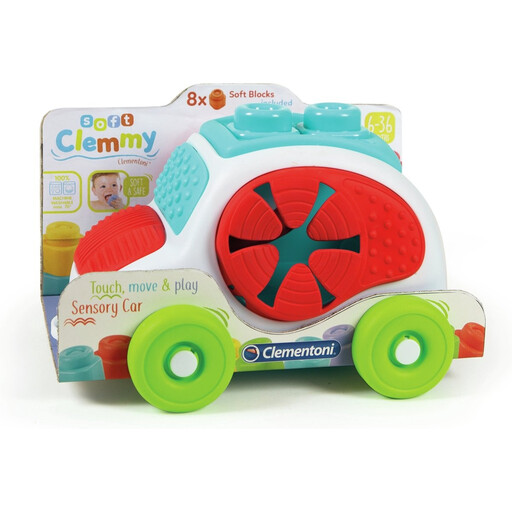
Why this fits the profile: The set is intended from 6 months and includes soft blocks and a car in one package. This makes it a straightforward choice for parents and grandparents looking for baby toys with several simple play actions.
The product information mentions specific parts, an age limit and cleaning instructions. This makes it clear in advance what you will receive and how to maintain the set.
8 soft blocks, a shape-sorting car, BPA-free mention and dishwasher-safe blocks according to the product description.
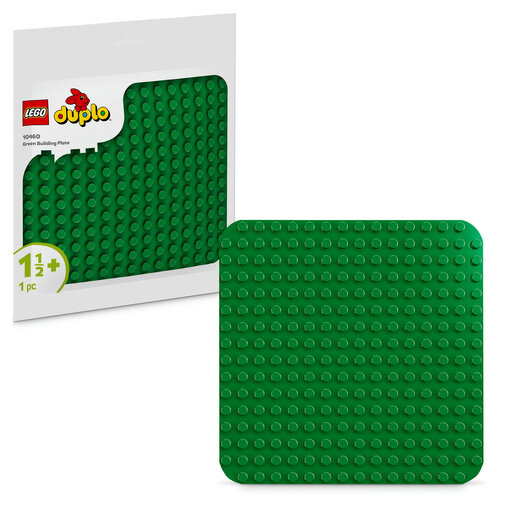
Why this fits the profile: For families who focus on material, sizing and reusable building play. According to the product data, the plate is suitable from 18 months and measures 30.8 × 26 × 0.6 cm.
The base plate has a fixed size and is designed as a foundation for DUPLO bricks. So you are buying a clearly described component rather than a vague collection of features.
Sturdy square building plate, 16×16 studs and compatibility with LEGO DUPLO building play according to the product description.
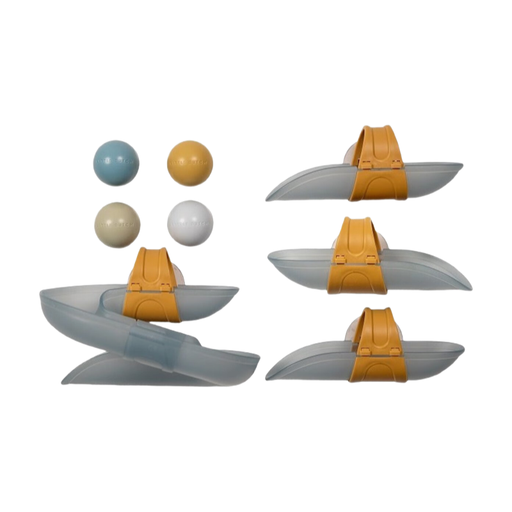
Why this fits the profile: Suitable for families who want to vary bath time with constructive play. The three slides can be attached to the bathroom wall using suction cups and rearranged.
The product data clearly states that no batteries or sound are required. After use, you can remove the parts and clean them with a damp cloth.
3 blue slides, straight and curved sections, no batteries and, according to the product information, free from bisphenol A.
We have put together a full, up-to-date list of products that fully meet these strict selection criteria and the applicable European safety regulations.
Look for simple actions such as stacking, feeling, sorting and rolling. Always check the minimum age, warnings and the presence of small parts. A set with soft blocks can be suitable, as long as the child plays under supervision and the product is used according to the instructions.
That depends on the material, use and maintenance. Building toys and a loose building plate can often be reused in different stages. Electronic toys require extra attention for batteries and moisture. Inspect toys regularly and stop using them if there are tears, loose parts or damage.
No. “Montessori” does not automatically describe a fixed safety or quality standard. Compare the actual product on material, age, dimensions, play style and maintenance. Interactive toys, activity toys and imaginative play without electronics can also fit well with a child’s interests.
