
Vandaag of morgen in huis

Kwaliteit gegarandeerd

Welkomstaanbiedingen ontgrendelen: GRATIS bezorging | Tot 80% korting | Gratis 30 dagen JoyPlus-proefperiode
Download de app
A toy box full of things doesn’t automatically mean a child will play for long or learn something new. With educational toys for children, it’s all about finding the right match for their age, interests and play environment. A baby needs different stimulation than an eight-year-old. The difference between playing independently and building or role-playing together also matters.
As Joybuy Product Recommendation Officer, I filter product information based on practical points. Marketing terms like “Montessori”, “STEM” or “sensory” don’t mean much on their own. Instead, look closely at the actual features, materials, age recommendation and warnings.
A product might be recommended from age 3, yet still contain small parts, batteries or complicated controls. So don’t just check the age on the front of the packaging. Also look at:
For babies, musical baby toys, a baby activity table or a simple sensory toy are usually more suitable than building sets with loose magnets.
Words like “promotes cognitive development” or “stimulates intelligence” are no guarantee of a specific outcome. According to the product description of some brands, pressing, turning, building or sorting can help practise fine motor skills, hand-eye coordination and cause-and-effect understanding. That’s different from a guaranteed developmental result.
So assess the play action itself. Can a child grasp, combine, sort, tell a story or try something out? Then it’s clearer what play value the product offers.
Electronic toys often run on batteries that aren’t included. Check the type and number of batteries before you order. A toy till, for example, may need a battery; a set of children’s walkie-talkies can use several AAA batteries per pair.
Also think about cleaning. A soft play set for toddlers with removable, washable covers is practical for daily use. With magnetic building blocks, missing parts or damaged magnets are a reason to put the toy aside immediately.
Choose toys based on the lowest age recommendation, not just on interest. Toys from age 3 may contain small parts that pose a choking hazard for younger children. For children under 36 months, loose magnets, small building bricks and some collectible figures are not suitable.
When buying online, check:
Product information may refer to ABS, BPA-free materials, rounded edges or a non-slip base. These are verifiable features, but always check the full product page and packaging.
A CE marking indicates that the manufacturer declares compliance with relevant EU regulations. For toys, EN71 is also often mentioned. The product descriptions of the items below refer to EN71 parts or European toy safety standards. Treat this as product information from the seller and check the marking, warnings and instructions for use when you receive the item.
Lights, music and sound can be appealing, but more features don’t always mean more play value. Check whether the volume is adjustable and whether the sound can be turned off. A simple piano, drum or shape sorter can be suitable for short play sessions. Building sets, role-play games and magnetic tiles often offer more possibilities as a child comes up with their own scenarios and constructions.
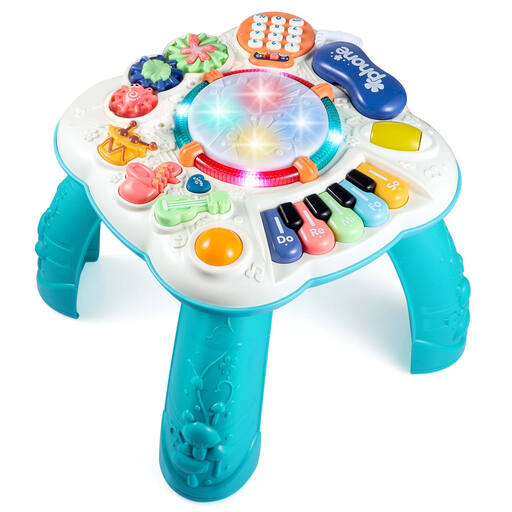
Why This Fits Their Persona: A versatile starting point for families looking for one compact product for floor and standing play.
According to the product description, the legs are removable. This means the panel can be used on the floor before a child can stand independently. Batteries are not included and need to be arranged separately.
Six play zones, including piano keys, spinning gears and a toy telephone; adjustable volume according to the seller.
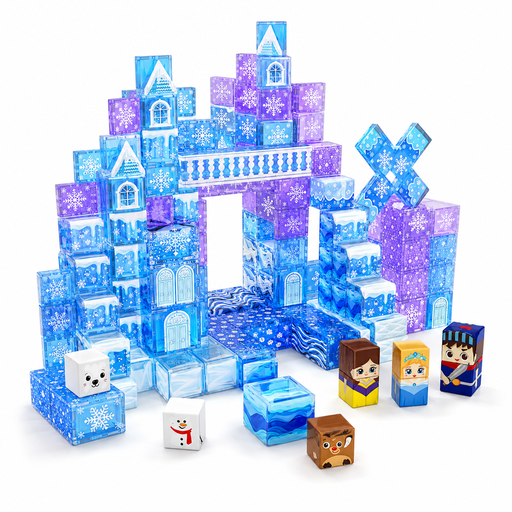
Why This Fits Their Persona: Suitable for children who enjoy combining shapes, making patterns and building together.
The age recommendation of 3+ is clearly stated in the product name. Still, supervise young children and regularly check the magnets and connections for damage.
Transparent design with a snow or ice look; ties in with creative and STEM toys without a screen.

Why This Fits Their Persona: An option for families with enough indoor space and children who prefer climbing, crawling and moving over electronic toys.
The product information mentions non-slip parts, Velcro fastenings and covers with zips. The balls for the ball pit are not included; that’s a separate purchase.
Removable, washable covers according to the seller; multiple soft block shapes for climbing and combining.
Browse a current selection of toys and compare age, features, materials and usage before you order.
These are toys where a child actively explores, practises or creates something. Think sorting, building, making music, inventing stories or working together. The label “educational” is less important than the actual actions the toy enables.
The lifespan depends on the material, use and storage. Choose sturdy parts, check moving components and store battery-operated toys in a dry place. A building set or role-play game can stay interesting for longer when children have multiple ways to play with it.
Besides the purchase price, batteries and replacement parts can add up. Check beforehand whether batteries are included. An adjustable volume and a silent mode are practical in flats or during quiet times, but they don’t automatically make the product suitable for every child or every situation.
