
Vandaag of morgen in huis

Kwaliteit gegarandeerd

Welkomstaanbiedingen ontgrendelen: GRATIS bezorging | Tot 80% korting | Gratis 30 dagen JoyPlus-proefperiode
Download de app
Educational toys for children should offer more than eye-catching packaging. Parents and grandparents often look for toys that encourage imagination, motor skills and problem-solving, without ending up unused in the cupboard after a short time. Yet product descriptions are not always as clear as they could be.
Three common pitfalls deserve extra attention:
First, check the age recommendation and warnings. With magnetic building blocks, magnetic tiles and other construction toys, small parts may pose a choking hazard. Several products in this category state that they are not suitable for children under 36 months.
A CE marking is relevant, but it does not replace supervision or inspection. Also check whether the manufacturer provides instructions on damage, loose parts and maintenance. With magnetic products, it is important to stop playing immediately if a magnet comes loose or a tile shows a crack.
For children under 6, supervision can be useful, particularly with constructions, wheeled toys and sets containing lots of loose parts. When choosing toys for boys and girls, therefore, do not focus solely on colour or theme. Consider how the child will actually play with them.
Many educational toys are made from ABS or another type of plastic. Look for information about BPA, phthalates, lead and sharp edges where this is provided by the manufacturer. A smooth finish is comfortable for little hands, but also check that the parts are securely sealed.
With magnetic tiles, welded casings and embedded magnets are important product details. According to the product information, Connetix uses ultrasonically welded tiles with metal rivets to keep the magnets in place. This is a verifiable construction feature, not a guarantee that a product will never become damaged. Regular inspection is still necessary.
For sensory toys, such as squishy figures, look out for the warning that the product is not food. With sand and water toys, being easy to rinse and allowing them to dry thoroughly are practical advantages.
Think about where the toy will be used:
STEM toys do not have to be digital. A construction set without batteries can introduce children to shapes, balance, magnetism and simple structures. So focus on the play activity rather than just the terms used on the packaging.
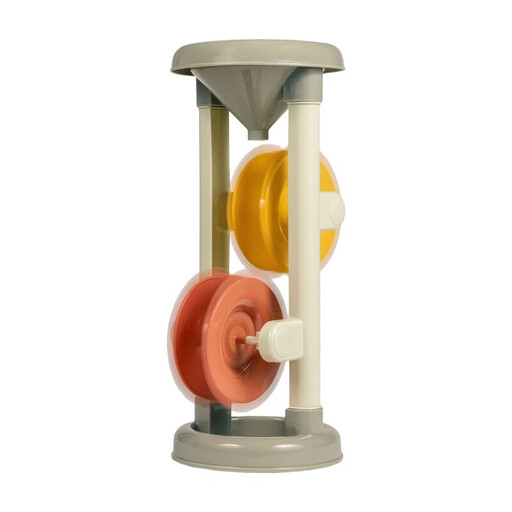
Why it suits this profile: An easy-to-use outdoor toy for children aged 3 and over, with one clear action: fill the funnel with sand or water and the wheels start turning. Suitable for the garden, balcony or beach.
The way it works is immediately visible and requires no batteries or complicated assembly. The warning for children under 3 and the supervision requirement are clearly stated.
31 cm high, suitable for sand and water, made from plastic and easy to rinse after use.
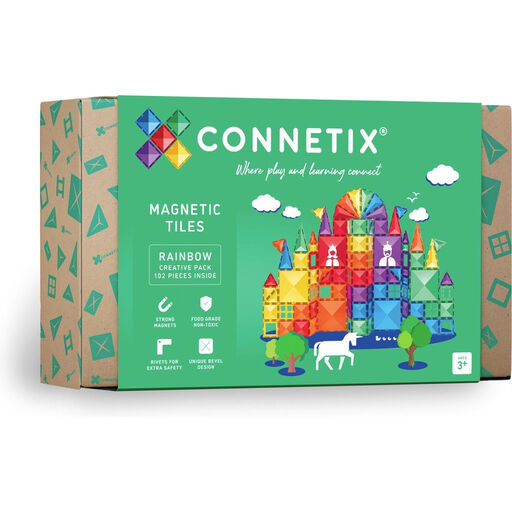
Why it suits this profile: For children who enjoy building freely and want a set they can keep expanding over time. The contents include square and triangular tiles, windows, doors and fences.
The 102 pieces come in several shapes and offer multiple functions. This means play is not limited to building a single example model.
No batteries required; ABS plastic according to the product information; suitable from age 3 and compatible with other CONNETIX packs.
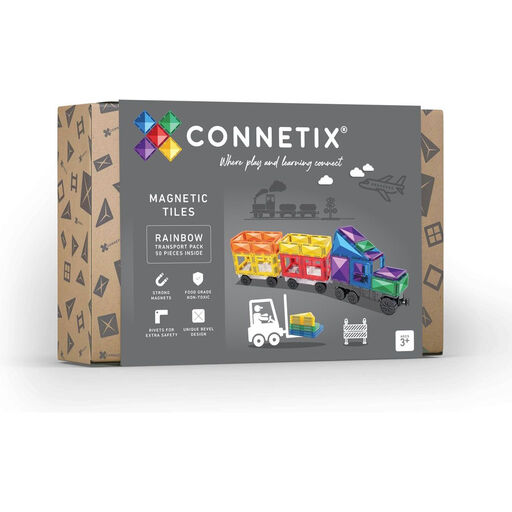
Why it suits this profile: For children who want to combine construction toys with vehicles and wheeled play. Alongside magnetic tiles, the set contains transport bases and wheel bases.
This is more than a standard tile set: the transport parts provide a clear play scenario, while children can create their own vehicles.
50 pieces, rubber wheels and compatibility with other CONNETIX packs according to the product information; no batteries required.
We have put together a complete, up-to-date list of products that fully meet these strict selection criteria and the applicable European safety regulations.
Choose products with a clear age recommendation, rounded edges and warnings about small parts. Magnetic tiles, imaginative toys and simple sand and water sets may be suitable from age 3, but supervision remains important. The right choice depends on the child’s motor skills and independence.
Lifespan depends on the material, how intensively the toy is used and how it is stored. Check magnetic building blocks regularly for cracks or loose magnets. Rinse sand and water toys and allow them to dry. Store small parts in a box or bag. This helps keep the parts easy to find and limits unnecessary wear and tear.
Many construction and creative toys work without batteries, so there are no ongoing battery costs. However, keep an eye on expansion sets, accessories and replacement parts. A smaller starter set may be enough for relaxed play, while a larger set is more engaging when several children build together.
