
Vandaag of morgen in huis

Kwaliteit gegarandeerd

Welkomstaanbiedingen ontgrendelen: GRATIS bezorging | Tot 80% korting | Gratis 30 dagen JoyPlus-proefperiode
Download de app
Parents, grandparents and carers want toys that won’t end up unused in a cupboard after a few weeks. When it comes to educational toys for children, it’s not just about colourful packaging or a familiar name. A product is only right for a child if it suits their age, available play space, safety needs and way of playing.
A product for children aged 3 and over isn’t automatically suitable for every toddler. Consider the child’s motor skills, attention span and independence. A building set with hundreds of small pieces can be educational, but frustrating for a child who still needs larger, simpler materials.
Always check the age recommendation on the packaging and product page. Supervision is important when toys contain small parts, especially for younger children.
Terms such as “Montessori”, “STEM” or “sensory” don’t always describe an official product category. A brand’s own research, for example, may suggest that certain types of play can support motor skills, concentration or problem-solving. This isn’t a guarantee for every child.
Instead, look at practical details: the number of pieces, materials, dimensions, play time, volume controls and how children use the product. A simple open-ended set may hold a child’s interest for longer in practice than a toy with lots of electronic features.
Batteries, limited storage space, covers that are difficult to clean or missing accessories can all affect the experience. With outdoor toys, the surface, weather conditions and storage also matter.
Before buying, check:
Large, sturdy parts and simple activities are usually a better fit for babies and young toddlers. LEGO DUPLO and other large building blocks are designed for grasping, stacking and rebuilding. From around age 4, imaginative play, simple building sets and role-play become more prominent.
More complex building sets for children, board games and collectible models may suit children aged 6 or 8 and over. Don’t just consider their age; think about whether they enjoy building, being active, making music or inventing stories.
Check whether the product information lists a material, such as ABS plastic, wood or polyurethane foam. Also look for rounded edges, sturdy parts and any small components.
A CE mark means that the manufacturer declares the product meets relevant European requirements. For toys, these include requirements under European toy safety rules and standards in the EN71 series. Check the mark and warnings on the product itself; an online description is no substitute for the instructions.
A removable, washable cover is practical for foam products. Building blocks can generally be cleaned with a soft, slightly damp cloth. Don’t use solvents unless the manufacturer specifically says it’s safe to do so.
For musical toys for toddlers, adjustable volume is a useful feature. Check whether batteries are needed and if they’re included. A drum kit with an adjustable stand may be useful for longer, while a compact play panel is more convenient in a smaller home.
For climbing toys, measure the available space and check the recommended surface. With an inflatable water park, also consider connections, anchoring, supervision and drying it thoroughly before storage.
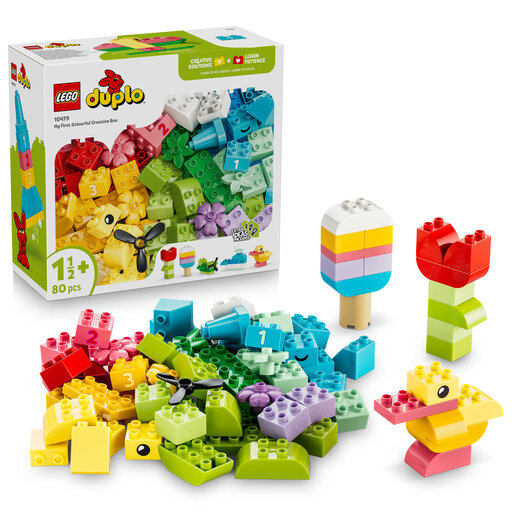
Why it suits this profile: The set contains 80 large pieces and, according to the product information, is suitable from 18 months. It’s a practical choice for free building, with no batteries or complicated assembly required.
The toy doesn’t rely on sound, screens or loose batteries. The pieces are large, but always check the latest warning on the packaging.
80 pieces, a recommended age of 1.5 years and over, and inspiration for building animals, vehicles and other models.
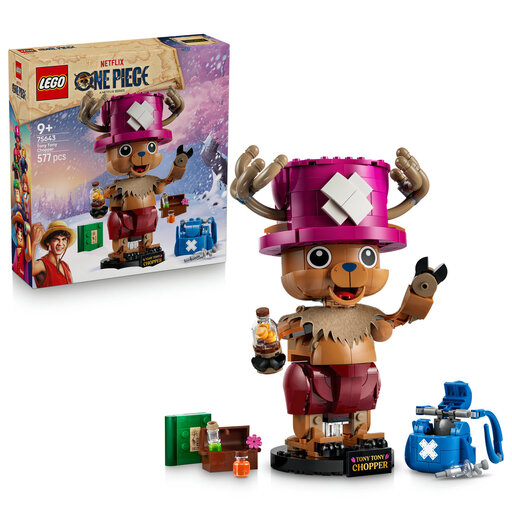
Why it suits this profile: For children aged 9 and over who enjoy focused building and want to display their finished model.
The age recommendation and the 577 pieces make it clear that this isn’t a quick toy for toddlers, but a project for older builders.
577 pieces, movable parts, accessories and digital 3D building instructions via the LEGO Builder app.
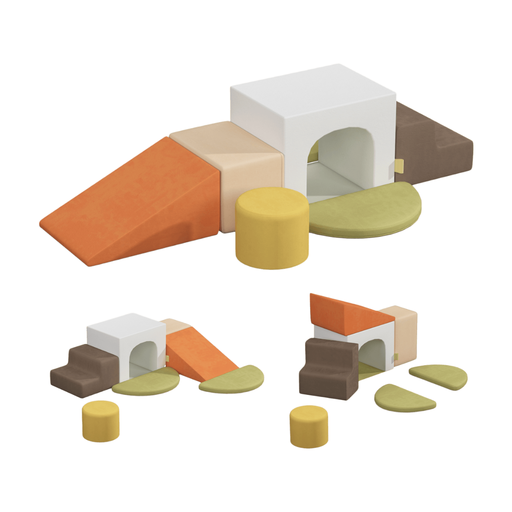
Why it suits this profile: This soft indoor play set is designed for climbing, crawling and building. It’s a good fit for families with plenty of clear floor space.
According to the product information, the covers are removable and washable. Once delivered, check the shape, seams and non-slip underside.
Seven foam blocks, different configurations, washable covers and stated EN71 compliance.
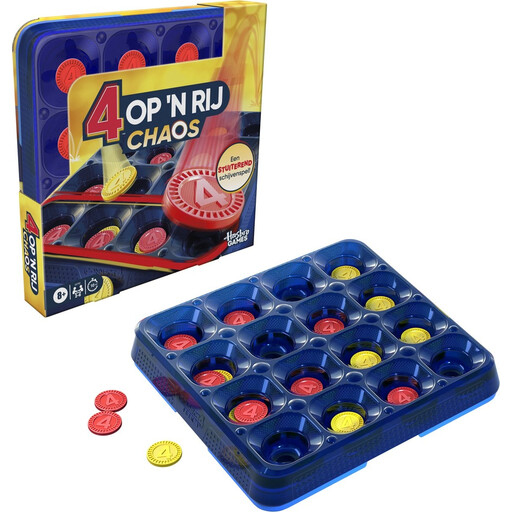
Why it suits this profile: For households looking for a compact game for children aged 8 and over and adults, with no assembly or batteries required.
According to the product information, games take around 10 minutes. You’ll know in advance that it’s designed for short rounds, not long sessions of individual building.
For 2 to 10 players, compact packaging and different ways to play.
We’ve put together a full, up-to-date list of products that meet these strict selection criteria and the applicable European safety requirements.
Choose toys with large parts, simple activities and few loose small accessories. LEGO DUPLO, simple sorting games, musical toys for toddlers and soft toys for imaginative play can all suit this stage. Always check the age recommendation, and stay close by when small parts are involved.
Lifespan depends on the materials, how intensively the toy is used, how it’s stored and how well it’s maintained. Open-ended building materials and toys for imaginative play can last longer because children use them in different ways. Regularly check for cracks, sharp edges, loose parts and damaged covers. Store toys in a dry place and follow the manufacturer’s cleaning instructions.
No. A toy’s educational value depends mainly on the type of play and how well it suits the child. A simple board game for children can encourage social interaction and logical thinking, while a more elaborate building set is best suited to children who enjoy building independently for longer periods. Compare the specifications, age recommendation, available play space and running costs rather than looking at price alone.
