
Vandaag of morgen in huis

Kwaliteit gegarandeerd

Welkomstaanbiedingen ontgrendelen: GRATIS bezorging | Tot 80% korting | Gratis 30 dagen JoyPlus-proefperiode
Download de app
Educational toys for children can support creativity, motor skills and independent play. However, the choice is vast, and product descriptions are sometimes more optimistic than the specifications justify. A toy that looks appealing on the packaging may be less suitable at home because of noise, small parts or a limited period of use.
This buying guide highlights the points that make the biggest difference in UK households. Afterwards, you’ll find several popular choices matched to different situations.
A product for “children aged 1 to 5” sounds versatile, but the way children play changes significantly at each stage of development. Babies benefit from simple grasping, pressing and listening activities. Toddlers can already sort, imitate and build. So check:
Music, lights, sounds and buttons attract attention, but more features do not automatically mean longer-lasting enjoyment. Pay attention to the play areas and what a child can do independently. A product involving different actions, such as turning, pressing, sorting and building, usually offers more variety than a toy that mainly produces sounds automatically.
Always check the material, warnings and required batteries. Magnetic toys require extra care: loose or swallowed magnets can pose a serious danger. Toys with small building pieces generally have a minimum age of 3 years or above. A CE mark is a conformity marking; also check the age warning, instructions for use and product information.
For babies and young toddlers, rounded edges, a stable base and parts without loose small components are relevant features. According to the product information, the activity table in this guide is intended for 6 to 36 months. The legs can be removed, allowing the product to be used as a play board on the floor.
For magnetic building blocks and construction toys, you should check that the magnets are securely enclosed and whether the product is unsuitable for children under 36 months. The 120-piece forest set states a minimum age of 3 years and recommends adult supervision.
ABS plastic is often used for toys because it is durable and easy to wipe clean. Do not just look for terms such as “non-toxic” or “BPA-free”; also check the specific product information. According to the listings for several products, the materials are ABS and the edges are rounded. Check the current product page for the latest details.
In the European Union, toys are subject to safety requirements. Product listings may refer to CE and EN71. The magnetic forest set also mentions CPC and ASTM F963. Such markings provide information about the stated conformity, but they do not remove the need to follow age warnings and supervision instructions.
Musical toys for babies are practical and appealing, but they can quickly become loud in a flat. A volume control or silent mode is therefore a useful product specification. According to their product descriptions, the music table, piano and drum set below have volume control. Batteries are not included with these items.
Also check:
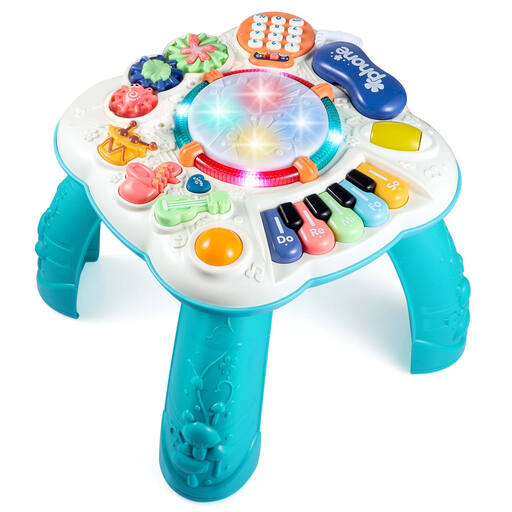
Why it suits this profile: A compact choice for families who want to combine different play activities in one product rather than buying several separate items straight away.
The product information lists six play areas, volume control and a silent mode. The removable legs allow for floor or tabletop play. Batteries must be purchased separately.
ABS plastic, rounded edges, six play areas and dimensions of approximately 30 × 30 × 31 cm according to the product listing.
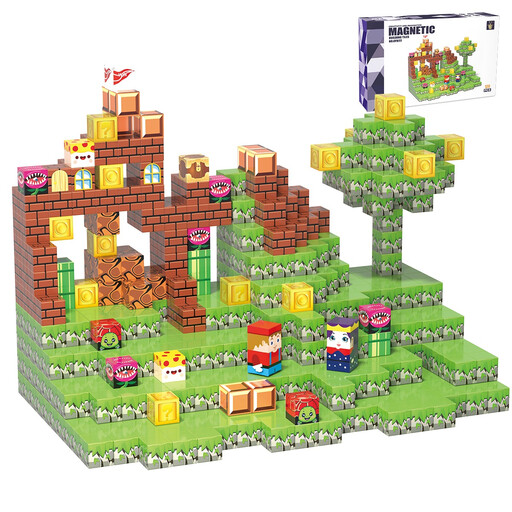
Why it suits this profile: For children aged 3 and over who enjoy building, making up stories and playing with a theme, for example during quiet play at the table.
The set clearly states the warning about small magnets and is not intended for children under 3 years. If a magnet comes loose, stop using the product immediately.
120 tiles measuring 2.5 cm, a storage box, forest illustrations and a project guide. According to the product information, the magnets are enclosed using ultrasound technology.
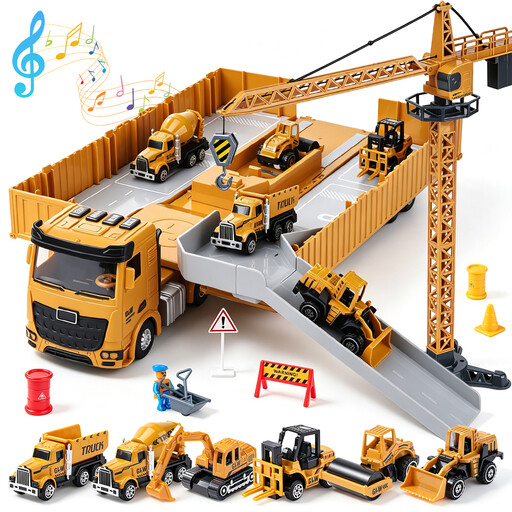
Why it suits this profile: For children aged 3 to 8 who enjoy combining vehicles, role play and larger playsets. The lorry also doubles as storage after playtime.
The set has a clear age warning for small parts. The storage function helps prevent vehicles and accessories from ending up all over the room.
Eight construction vehicles, moving parts, a 360° rotating crane and a lorry that transforms into a multi-storey car park. 3 AA batteries are required.
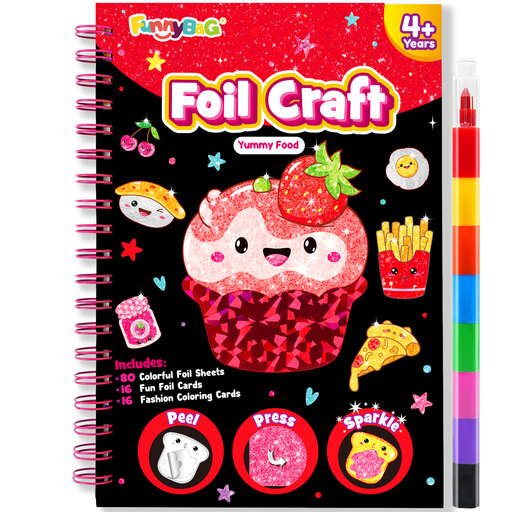
Why it suits this profile: A compact birthday gift for children aged 4 to 9 who enjoy crafting, colouring and doing a quiet activity while out and about.
The set can be used without glue or scissors. The age recommendation is clear: it is intended for ages 4 to 9. However, check whether the child can follow the instructions independently.
112 pieces, including foil sheets, art cards and a coloured pencil with eight colours. The pack is portable and requires no batteries.
We’ve put together a complete, up-to-date list of products that fully meet these strict selection criteria and the applicable European safety regulations.
Montessori toys are often associated with independent, purposeful play. Focus mainly on the specific activity the product supports rather than just the “Montessori” label. According to a brand’s own research, a product may claim to contribute to motor or sensory development; treat this as a brand claim rather than a guaranteed result.
Look for toys with large, easily accessible parts and simple cause-and-effect actions. A music table, piano or drum set with volume control may be suitable. Always check the age recommendation, battery information and any warnings.
Lifespan depends on the material, how intensively the toy is used, storage and care. Construction toys can remain interesting for longer when children can build several different models. Electronic toys may continue to appeal when they offer different play modes. Store small parts away after use and stop using the toy as soon as parts become loose or damaged.
Not always. Compare the price with the number of parts, play modes, adaptability and expected period of use. A product with several ways to play can be practical, but only when those functions suit the child’s age and interests.
