Vandaag of morgen in huis

Kwaliteit gegarandeerd

Welkomstaanbiedingen ontgrendelen: GRATIS bezorging | Tot 80% korting | Gratis 30 dagen JoyPlus-proefperiode
Download de app
A toy box filled with items a child loses interest in after five minutes. It's a familiar scenario. The search for toys that not only entertain but also contribute to development can be a challenge. This is especially true for the youngest children, where safety and age-appropriateness are paramount. This article offers a practical guide on what to look for and provides specific product examples based on their specifications.
Before making a choice, it's helpful to consider a few criteria. This will help you find a toy that suits the child and offers lasting value.
Based on the criteria above, we have curated a selection of products with distinct educational features. These recommendations are based on the product specifications provided by the manufacturer.
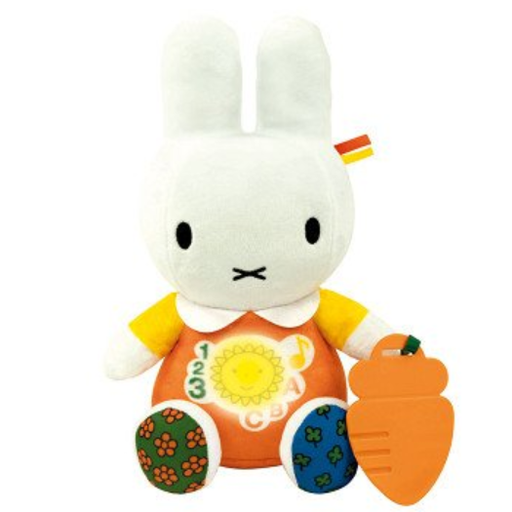
Why This Product This plush toy combines the recognisable character of Miffy with basic learning functions. It's a soft and cuddly baby toy designed to stimulate language development and the senses in the youngest children.
Benefits
Who Is This For? This product is specifically designed for babies from 6 months of age. It is an excellent choice as a first interactive toy, focusing on basic sounds, textures, and an initial introduction to letters and numbers.
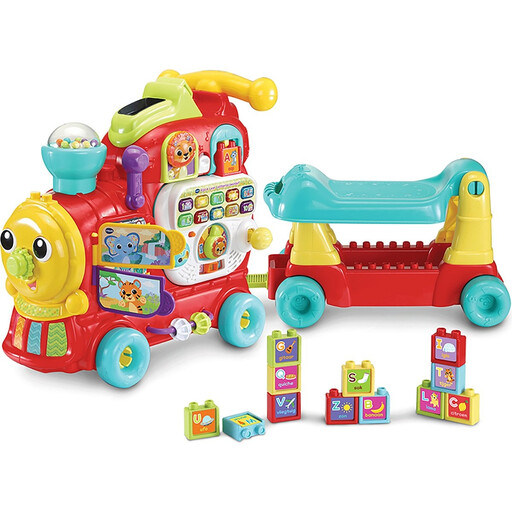
Why This Product This VTech toy is a versatile activity centre that grows with your child. It can be used as a walker, a pull-along wagon, and a ride-on train. The strong focus is on learning the alphabet and counting.
Benefits
Who Is This For? Recommended for children from 1 year and up. This is a great option for a first birthday gift, as it stimulates both gross motor skills (walking, riding) and cognitive development (letters, numbers).
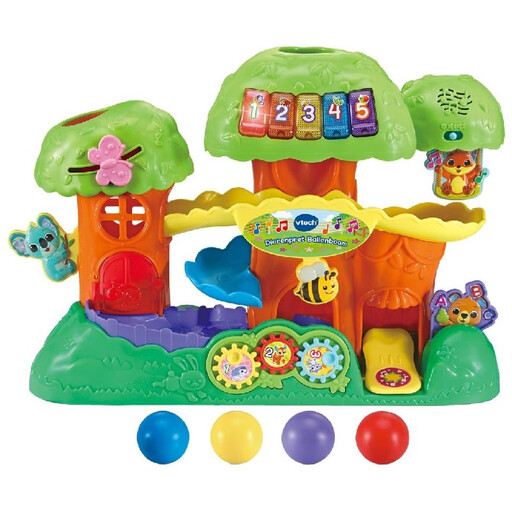
Why This Product This activity centre is a classic ball run focused on the principle of cause and effect. The child learns that an action (placing a ball in the tree) leads to a reaction (the ball rolls down with accompanying sounds and lights).
Benefits
Who Is This For? Suitable for children from 12 months of age. This is an ideal developmental toy for toddlers who are fascinated by movement, sound, and light, and are beginning to practise their fine motor skills.
The world of educational toys is vast, and the right choice depends heavily on the child's age and interests. The products above are just a few examples. For a more comprehensive overview of toys sorted by age and specific developmental goals, you can browse our main category.
Find more options in the category: Baby Developmental Toys
1. From what age are educational toys beneficial? Educational toys are available for every age, even for newborns. For babies (0-6 months), they primarily focus on sensory development with rattles, touch-and-feel books, and mobiles. From 6 months onwards, toys become more interactive, targeting motor skills and cause-and-effect learning.
2. What is the difference between educational and interactive toys? The terms are often used interchangeably. Educational toys have the primary goal of teaching a skill or concept. Interactive toys respond to a child's input, often with lights, sounds, or movement. Much of modern educational-ware is also interactive, as this feedback can enhance engagement and the learning process.
3. How do I clean electronic educational toys? Always read the manufacturer's instructions. As a general rule: remove the batteries before you begin. Use a slightly damp cloth to wipe down plastic parts. Never submerge toys with electronic components in water. With some plush toys, like the Clementoni Miffy, the electronic module can be removed, allowing the fabric exterior to be machine-washed.