Vandaag of morgen in huis

Kwaliteit gegarandeerd

Welkomstaanbiedingen ontgrendelen: GRATIS bezorging | Tot 80% korting | Gratis 30 dagen JoyPlus-proefperiode
Download de app
As a seasoned angler, you know the right rod makes all the difference. You're not looking for a generic tool, but a specialized partner tailored to your fishing style. However, the market for predator rods is vast and saturated with marketing jargon, making it difficult to find a rod that delivers genuine performance.
This article is designed to guide your choice. We'll take an objective look at the specifications of several popular ECOODA rods. This isn't marketing fluff; it's a straightforward guide for the serious angler looking for a high-quality lure rod or predator rod.
Before we dive into the models, here are a few key points to help you choose the right rod for your style of fishing.
For the modern predator angler, a carbon rod is the standard. The reason is simple: sensitivity. A blank (the core of the rod) with a high carbon content is stiffer, lighter, and transmits bites far more directly. When fishing with lures, you need to feel exactly what's happening underwater. Whether it's a subtle take on a soft plastic or the vibration of your lure, a carbon blank provides the control and feedback you need.
A rod is only as strong as its weakest link, and the line guides play a crucial role in its performance. A rod with Fuji guides is often a hallmark of quality. These Japanese components are renowned for their durability and smooth line management. They reduce friction, resulting in longer casts and less wear on your line, especially when using braided lines. This is a critical detail when targeting powerful fish like sea bass.
Consider your preferred technique carefully. Are you an angler who enjoys working the bottom with softbaits and jigs? A fast, crisp jigging rod is ideal. Do you prefer using a variety of lures for different species? An all-around freshwater rod with a medium-fast action might be a better fit. For coastal fishing, a dedicated sea bass rod with a strong backbone and a saltwater-resistant finish is the logical choice.
Based on the criteria above, we've selected a few ECOODA rods that will appeal to the specialist angler.
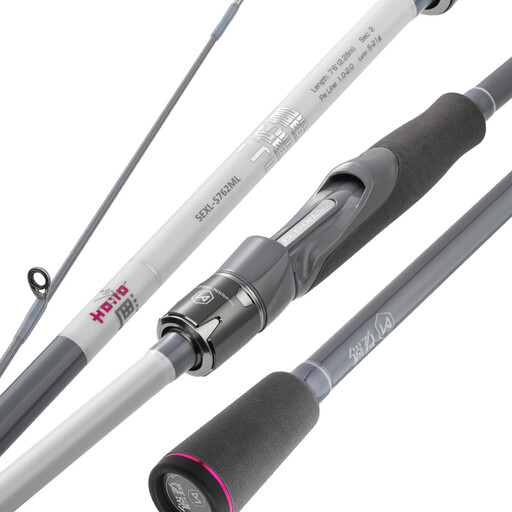
Why it stands out: This rod stands out for its versatility and high-quality components. The combination of a sensitive blank with Fuji Sic and O-rings makes it suitable for a wide range of techniques and species, from perch in canals to trout in a stream.
Key Features:
Who is it for? The all-around predator angler seeking a single, high-quality lure rod for various freshwater situations. If you enjoy switching between crankbaits, spinners, and light soft plastics, this rod offers the necessary sensitivity and control.
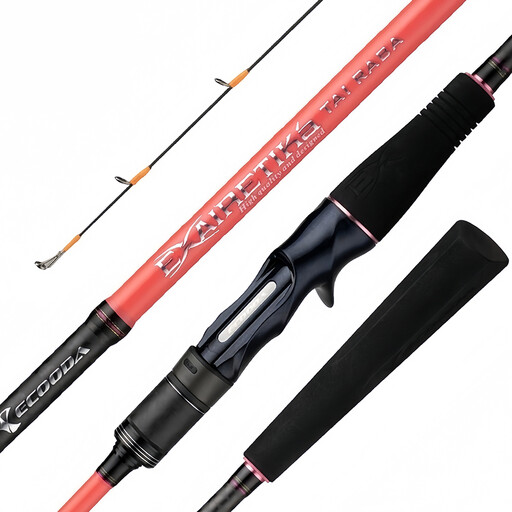
Why it stands out: This is a specialist rod, clearly designed for bottom-contact techniques. The names "Rubber Jig Fishing Rod" and "Tenya Game" indicate its focus on precision fishing with jigs and similar baits.
Key Features:
Who is it for? For the angler who specializes in vertical jigging or casting jigs for perch, zander, and even saltwater species from a boat. If you demand maximum control and feel over your bottom-contact baits, this is a model to consider.
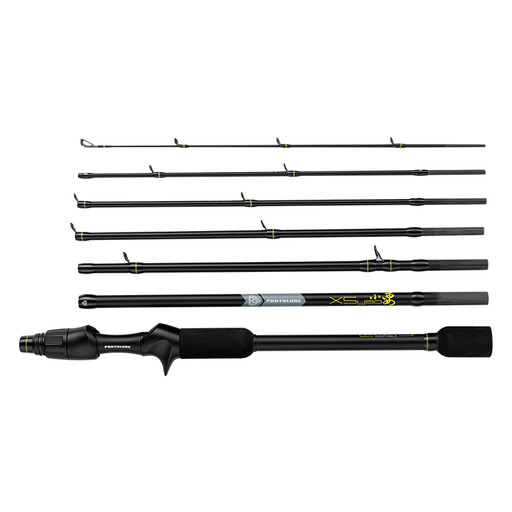
Why it stands out: This rod combines the power needed for saltwater angling with the sensitivity for freshwater fishing. Its carbon construction and designation as a sea bass rod suggest a strong backbone for steering hard-fighting fish.
Key Features:
Who is it for? For the angler who frequently targets sea bass on the coast but also wants a powerful rod for larger freshwater predators. This is an excellent choice if you need a robust rod for casting heavier lures.
The rods mentioned above are aimed at the experienced and specialist angler. Are you looking for a simpler model, or perhaps a first rod for a young family member to get introduced to the sport? Then check out our collection of Toy Fishing Rods for more options.
1. Are ECOODA rods suitable for saltwater fishing? Yes, certain models like the ECOODA Carbon Sea Bass Rod are specifically designed with saltwater in mind. When purchasing a rod for saltwater use, always look for saltwater-resistant components, such as the guides and reel seat, to prevent corrosion. Be sure to rinse your gear with fresh water after every saltwater session.
2. What is the advantage of a carbon rod for lure fishing? A carbon rod is lighter and stiffer than a fiberglass rod, which provides much better bite detection. You can feel exactly what is happening with your lure, allowing you to react faster to a strike. Additionally, the stiffness gives you more control when setting the hook and fighting the fish.
3. What should I look for when buying an ECOODA rod online? When buying an ECOODA rod online, it's crucial to read the specifications carefully. Pay attention to the length, casting weight, action, and the materials used (such as carbon and Fuji components). Compare these specs with your intended style of fishing. Product descriptions and information in guides like this one will help you make an informed decision.