
Vandaag of morgen in huis

Kwaliteit gegarandeerd

Welkomstaanbiedingen ontgrendelen: GRATIS bezorging | Tot 80% korting | Gratis 30 dagen JoyPlus-proefperiode
Download de app
An ECOODA fishing rod can look appealing with terms like carbon, long cast, sea bass or Fuji SIC guides. However, a product name doesn’t tell you everything about how it will perform in practice. Problems often arise with online purchases when key specifications are missing, or when a rod is used for a fishing technique it wasn’t designed for.
The three most common pitfalls:
Only looking at the material
Carbon can keep the weight down, but the right length, casting weight and action determine whether the rod works well with your lures and line.
Using a freshwater rod in salt water without checking
A model suitable for perch or trout isn’t automatically resistant to prolonged exposure to salt water. Always rinse a rod with clean water after sea fishing, and check the guides and reel seat.
Confusing a long rod with a long-distance casting rod
More length doesn’t always help. A rod also needs to match the casting weight, technique, line and the space available from the bank or in a boat.
For a perch rod or light fishing rod, a manageable length is often more important than maximum casting distance. In small ditches, canals and overgrown banks, a compact model is usually more practical. When sea bass fishing from a dyke or beach, a longer blank can help you cast your lure further, provided the casting weight is suitable.
Check before you buy:
A 2-piece fishing rod is easy to transport and usually quick to set up. A two-section model is handy for anglers who travel by car or bike to different spots. Just make sure the joint fits securely and the stated transport length fits in your bag.
A carbon fishing rod is often chosen for its combination of low weight and direct response to lure movements. However, the term carbon alone doesn’t give you the full picture of quality. The thickness of the blank, the construction, the action and the finish all play a part.
Pay particular attention to the actual weight and the balance with your reel. A light rod that feels tip-heavy can be less comfortable during a long fishing session. Manufacturers may use different carbon materials and constructions, so always compare the concrete product specifications rather than just the marketing name.
On a lure rod, the guides affect the line flow and casting. The product title of the ECOODA Carbon Lure Rod mentions Fuji SIC guides and O-ring components. That’s a concrete detail to include in your comparison. However, check the product page for the size, configuration and other specifications that come with the chosen variant.
For a saltwater rod, maintenance and material choice are especially important. After sea fishing, gently rinse the blank, guides and handle. Don’t use a hard water jet on the reel seat or bearings. Let everything dry completely before storing the rod.
The recommendations below are based on product names and available product information. Always check the current length, casting class, action and version of the selected variant before ordering.
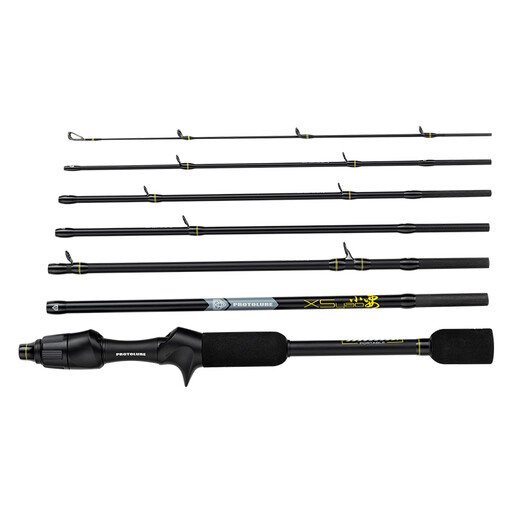
Why this fits the profile: The product name focuses on carbon and freshwater lure fishing. That makes this a logical starting point for anyone who wants to fish for perch with lures in Dutch ditches, lakes and canals.
Positioning it as a freshwater lure rod prevents you from accidentally choosing a specific boat or saltwater model for light freshwater techniques without checking.
Carbon construction according to the product name; designed for freshwater lure fishing and therefore suitable for a targeted freshwater setup.
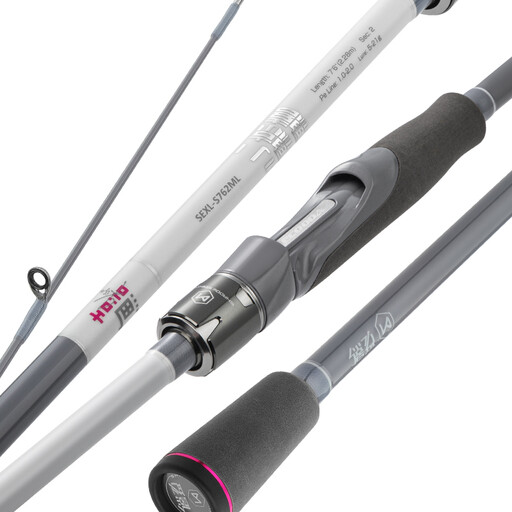
Why this fits the profile: This model mentions carbon, Fuji SIC guides and O-ring components in the product title. These are verifiable points of interest for anglers who value the finish of a lure rod.
The stated guides make it possible to look beyond just the term carbon and also consider the line guide components.
Carbon construction according to the product title; Fuji SIC guides and O-ring mention for a targeted comparison of components.
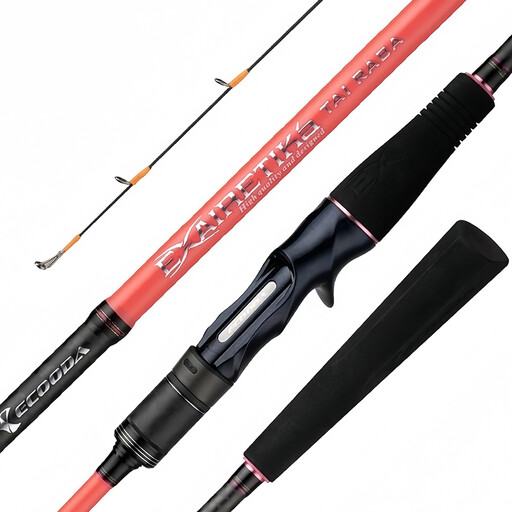
Why this fits the profile: The product name mentions rubber jig and tenya. This means the model suits anglers looking for a rod for a specific technique rather than a general all-round version.
The technique is clearly stated in the product name. However, do check that the casting class and action match your rubber jigs, bait weight and fishing location.
Focused on rubber jig fishing; tenya game is listed as an application, which is handy for a specialised setup.
We’ve put together a full, up-to-date list of products that fully meet these strict selection criteria and comply with current European safety regulations.
The lifespan of an ECOODA rod depends on use, transport, storage and maintenance. A few simple habits can help prevent damage:
That varies by model. Products with terms like sea bass, freshwater and saltwater or dual-use are intended for broader use according to their product name. A model specifically offered as a freshwater lure rod is primarily aimed at freshwater. Always check the current product specifications and rinse the rod after sea fishing.
For perch fishing with light lures, a carbon bass rod or other light lure rod is the obvious choice. Pay particular attention to casting weight, length and action. A too-heavy sea bass rod can make small plugs and soft baits feel less responsive.
There is no fixed lifespan. Correct transport, suitable casting weights and good maintenance all have a big influence. Carbon can be damaged by knocks or sudden sideways pressure. Therefore, check the blank and joints before every fishing session.
