What should you consider when choosing?
First decide whether you’ll stay in one spot or move around the kitchen while recording. Then consider whether you want to record independently or use your phone or computer as the recording device.
Handheld recorder with built-in microphones
Best for: recording from one spot, with the recorder close to your voice.
Bear in mind: at a distance, the microphone may pick up more reflected sound; 32-bit float recording does not change microphone placement.
Portable recorder with lavalier microphone
Best for: narrating as you move between different spots in the kitchen.
Bear in mind: test for clothing or contact noise. For video, you’ll need to sync the separate audio with the footage later.
Wireless clip-on microphone with a smartphone
Best for: recording with a smartphone and an app that supports the receiver you’re using.
Bear in mind: you’ll still need your phone. According to RØDE, the receiver works with apps that accept USB audio; using the transmitters directly via Bluetooth is intended for RØDE Capture on iOS.
Close-talk microphone for a fixed recording position
Best for: recording at a computer while staying in one spot, with the microphone close to your mouth.
Bear in mind: the Shure MV7+ has USB-C and XLR connections, but cannot record independently. Shure’s claim about voice isolation does not guarantee that echo will disappear.
Recorder with additional inputs and tracks
Best for: recording your voice and other sounds separately, using suitable additional microphones.
Bear in mind: additional inputs require suitable microphones and a suitable setup; they won’t compensate for poor microphone placement.
| Consideration |
What to look for |
Who is it most relevant to? |
| Clear speech |
Can you position the microphone close to your mouth? Record the same sentence from the spot you plan to use and listen back. |
If my main priority is keeping my voice clear despite the echo, I’ll start with the distance to the microphone; around 36% of consumers prioritise speech clarity. |
| Moving while cooking |
Check whether a lavalier microphone or phone receiver suits your route and recording method; test the cable and clothing too. |
If you want to talk between the worktop and the hob without moving the recording position, freedom of movement is the main consideration. Around 29% of consumers prioritise this. |
| Recording independently |
Check where the file is saved, and what storage and power the model you choose requires. |
If I don’t want to rely on a phone or computer, I’ll look for a recorder that saves an audio file itself; around 21% of consumers prioritise independent recording. |
| Separate audio tracks |
Decide whether you also want to record cooking sounds separately from your narration, and check which inputs and microphones you’ll need. |
For consumers who want to capture their voice and cooking sounds separately, having additional usable inputs and tracks is relevant; around 14% prioritise this option. |
Joybuy products
These Joybuy products are digital voice recorders for independently capturing spoken recipe instructions as audio. A recorder on its own won’t eliminate echo in the kitchen, so also consider where you can position it while recording.
 No image available
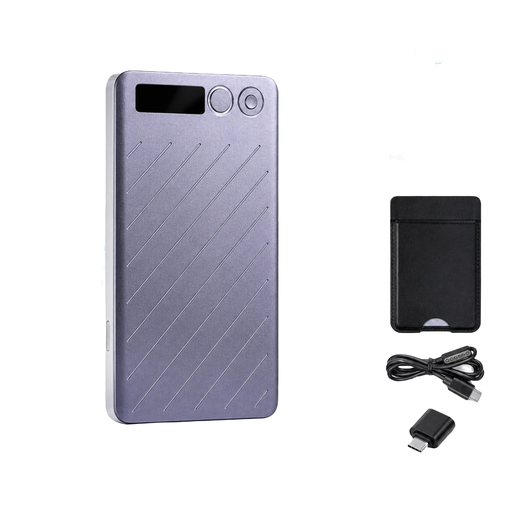
Digital voice recorder, 64 GB, with transcription
An option if you want to record spoken recipe instructions as audio and would also like transcription.
The product name lists 64 GB of storage and a transcription feature.
View at Joybuy
 No image available
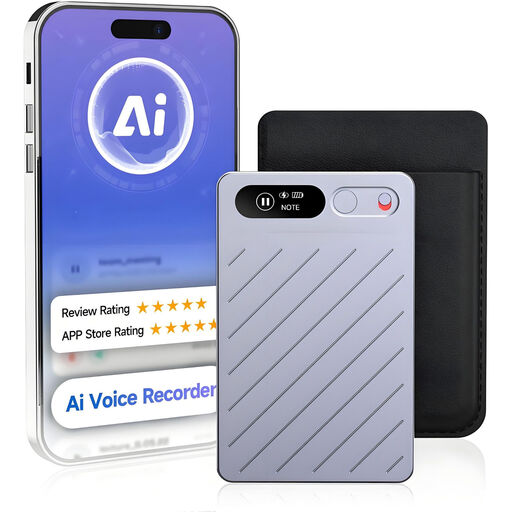
Mini voice recorder, 64 GB, with transcription and summary
An option if you want to record spoken recipe instructions and use the listed transcription and summarisation features.
The product name lists 64 GB of storage and processing in 118 languages.
View at Joybuy
 No image available
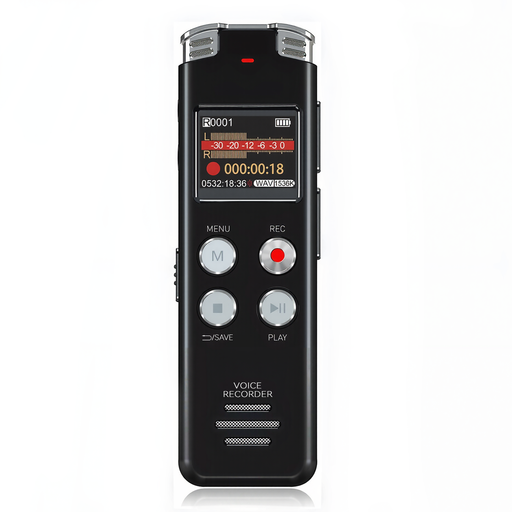
Rexsun L357 digital voice recorder, 128 GB
An option if you want to record spoken recipe instructions and listen back to them later.
The product name lists 128 GB of storage and an LCD screen.
View at Joybuy
 No image available
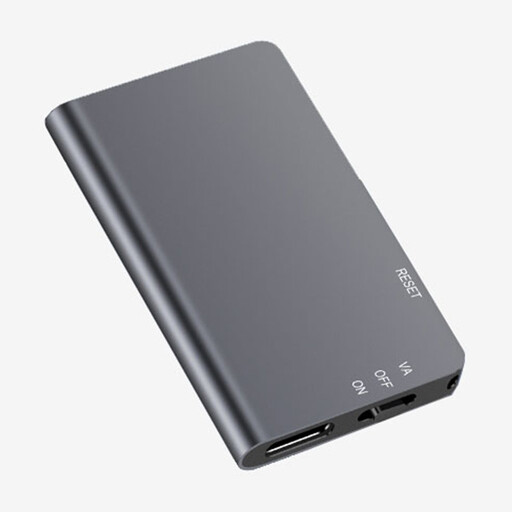
Rexsun L810 digital voice recorder, 64 GB
An option if you want to record your recipe narration independently and listen back to the audio straight away.
The product name lists 64 GB of storage and one-touch recording.
View at Joybuy
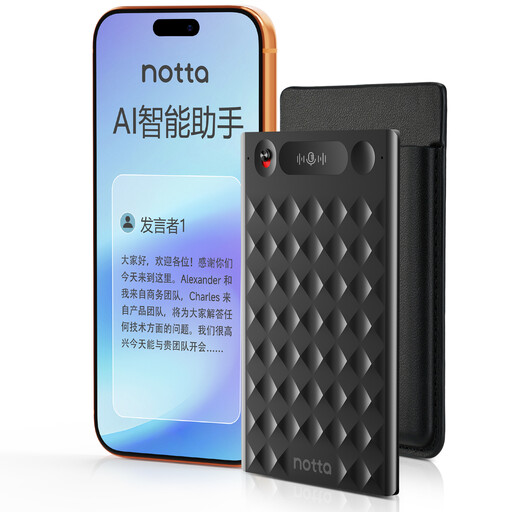 No image available
Notta AI voice recorder, 32 GB
An option if you want to record your recipe narration without using your phone as the recording device.
The product name lists 32 GB of storage and one-touch recording.
View at Joybuy
Frequently asked questions
Does 32-bit float get rid of noticeable echo?
No. The recording format doesn’t change the balance of direct and reflected sound picked up by the microphone. First, try recording closer to the speaker and listen to a test recording made from the spot you plan to use.
How can I make a test recording while cooking?
Record the same short recipe sentence from your usual spot and, if you move while narrating, record it while making those movements too. Listen back for clarity, room sound and any clothing or contact noise. Adjust the microphone position and repeat the test.
Can a RØDE Wireless Micro work directly with any recording app?
No, it depends on the connection and app. According to RØDE, the receiver works with phone apps that accept USB audio; using the transmitters directly via Bluetooth is intended for RØDE Capture on iOS. Before buying, check that your phone and app are compatible with the model you’ve chosen.
What extra accessories and warranty rights should I check?
Check whether the exact model requires additional storage, power, a microphone or a mount; this varies depending on the recording setup. In the Netherlands, when you buy as a consumer, you’re entitled to a product that meets expectations, and the retailer is your point of contact if something is wrong. According to the Dutch government, there is no set statutory warranty period of two years.
Can I publish other people’s voices in my recipe recording?
If you publish identifiable voices of other people, you need to take data protection rules into account. The Dutch Data Protection Authority says that in most cases you need permission to publish other people’s personal data online; the applicable legal basis depends on the specific circumstances. This is different from recording your own recipe narration for private use only.


