
Vandaag of morgen in huis

Kwaliteit gegarandeerd

Welkomstaanbiedingen ontgrendelen: GRATIS bezorging | Tot 80% korting | Gratis 30 dagen JoyPlus-proefperiode
Download de app
An ECE 22.06 motorcycle helmet may seem easy to choose at first glance. However, helmets vary considerably in terms of fit, fastening, visor, ventilation and intended use. A glossy product photo or general safety claim is not enough. For motorcyclists, scooter riders and moped riders in the Netherlands, certification, the correct size and the type of helmet are particularly important.
Cyclists and parents face another issue too: a cycle helmet with a visor or a mountain bike full-face helmet is not automatically suitable for a motorcycle or scooter. Below, we explain the key points to check and recommend several products for different uses.
ECE R 22.06 approval is intended for motorcycle helmets. Always check that this certification is actually stated in the product information. A cycle helmet carrying a CPSC or ASTM reference may be suitable for cycling, e-bikes or mountain biking, but it is not the same as an ECE 22.06 motorcycle helmet.
So do not buy a cycle helmet for a scooter or moped simply because the model has a hard outer shell and a visor.
A size S, M, L or XXL is not the same across every brand. Measure your head circumference with a flexible tape measure, approximately one centimetre above your eyebrows and horizontally around your head. A helmet should fit firmly without creating painful pressure points. When trying it on, the helmet should not move loosely over your head before you have fastened the chin strap.
For example, the MY 935 lists the following size chart:
The MY 936 uses a slightly different sizing system: XS 54–55 cm, S 55–56 cm, M 57–58 cm, L 59–60 cm, XL 60–61 cm and XXL 61–62 cm. Always check the size chart for the specific model, rather than relying solely on the letter shown on the label.
A motorcycle helmet with a sun visor or dual visor can be convenient in changeable weather. However, that does not mean every rider needs the same specification. A modular or flip-up motorcycle helmet offers flexibility, but it may feel different and weigh more than a straightforward full-face helmet.
Maintenance is also worth considering. A removable, washable lining is practical for daily commuting. A dedicated space for a Bluetooth headset can be useful, but check that your chosen intercom system will actually fit.
When choosing an ECE 22.06 motorcycle helmet, look for a clear reference to ECE R 22.06 in the product details. This standard relates to the approval of motorcycle helmets. Certification does not remove the need to fit the helmet correctly and fasten the chin strap properly.
The MY 935 and MY 936 list an ABS helmet shell and shock-absorbing EPS lining. ABS is a plastic outer-shell material, while EPS is the cushioning material on the inside. According to MY’s product information, these components are intended to help absorb energy during an impact. This is a product feature, not a guarantee against injury in every situation.
A clear outer visor protects against wind, rain and dirt. An internal sun visor can be useful when riding from a dark street into bright sunlight. With a dual-visor helmet, check that both visors close properly and that they are easy to operate while wearing gloves.
The MY 935 product information mentions a dual visor and a claim regarding UV blocking. As this is a brand or product claim, it should be regarded as information from MY’s product description, rather than as an independently verified result.
A correctly adjusted buckled chin strap is more important than eye-catching finishing touches. Before every ride, check that the strap is secure and not hanging too loosely. Ventilation openings help improve comfort, but more openings do not automatically make a helmet the better choice for your riding style.
Different features are relevant for intensive cycling. The OutdoorMaster Rhino mountain bike full-face helmet lists 27 ventilation channels, an ABS outer shell, an EPP inner lining and an adjustable visor. According to the product information, this helmet is intended for downhill, BMX and mountain biking, not motorcycling.
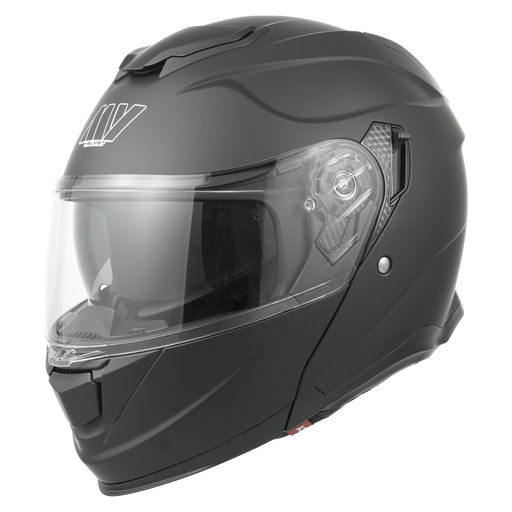
Why it suits this profile: This modular helmet combines a flip-up design with a dual visor and is listed as ECE R 22.06-approved according to the product information. Size L is specified for 59–60 cm.
The certification, size range and construction materials are clearly specified. Before ordering, check that 59–60 cm matches your head circumference.
ABS shell, EPS lining, dual visor and a dedicated space for a Bluetooth headset.

Why it suits this profile: The MY 936 is a modular motorcycle helmet with an integrated sun visor, a washable lining and an ECE R 22.06 reference. Size L is listed for 59–60 cm.
The relevant points are described separately: size, certification, visor, ABS shell and EPS lining. This means you do not have to judge the helmet by its appearance alone.
Integrated sun visor, removable washable lining and robust ABS construction with an EPS inner layer.
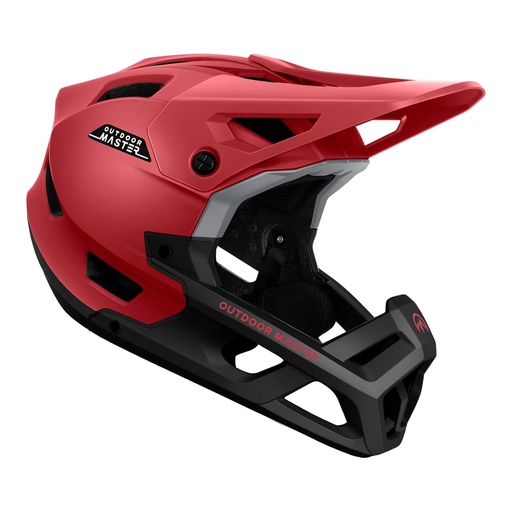
Why it suits this profile: This mountain bike full-face helmet is designed for downhill, BMX and mountain biking. It is therefore a targeted choice for cycling, not for motorbike or scooter use.
The product description specifies its intended use and cycling certification. This makes it clear that this helmet should not be purchased as an ECE 22.06 motorcycle helmet.
ABS outer shell, EPP inner lining, 27 ventilation channels and a removable washable lining.
We have put together a complete, up-to-date list of products that fully meet these strict selection criteria and the applicable European safety regulations.
Check the current Dutch traffic regulations for your vehicle and how you intend to use it. In any case, choose a helmet whose required approval is clearly stated in the product information and on the helmet itself. An ordinary cycle helmet or mountain bike full-face helmet is not automatically suitable for a scooter or moped.
Replace a helmet after a significant impact, even if there is no visible damage on the outside. With normal use, the lining, fastening and shell can wear over time. Regularly check for cracks, loose components, damaged straps and a worn inner lining. The manufacturer may provide additional replacement advice for the specific model.
This depends on the approval, the instructions for use and the model’s construction. A flip-up motorcycle helmet is designed to open at the chin section, but always follow the manual and use the helmet as instructed by the manufacturer. For everyday riding, a closed, well-fitting configuration remains a practical choice when you want full coverage.
