
Vandaag of morgen in huis

Kwaliteit gegarandeerd

Welkomstaanbiedingen ontgrendelen: GRATIS bezorging | Tot 80% korting | Gratis 30 dagen JoyPlus-proefperiode
Download de app
As a Joybuy Product Recommendation Officer, I know that choosing a new motorcycle helmet can be a daunting task. This is especially true now that the new, stricter ECE 22.06 safety standard is becoming the norm. This standard sets higher safety requirements, which is a good thing, but it doesn't make the choice any easier.
This article is designed to help you. We'll explain what to look for when buying a certified motorcycle helmet and provide a few concrete recommendations for 2026. This way, you can make an informed choice that suits your riding style and budget.
Before you buy a motorcycle helmet, there are a few key points to consider. These will help you filter the options and find the helmet that's right for you.
The ECE 22.06 is the successor to the ECE 22.05 standard. Helmets with this certification have been subjected to tougher and more comprehensive tests. For instance, they are tested for impact at more points, including at an angle to measure rotational forces. Visors and accessories, such as an integrated sun visor, must also meet stricter requirements. A helmet with this label therefore offers a current level of safety according to European standards.
The choice between a modular helmet and a full-face helmet is highly personal and depends on your usage.
Both types must meet the same ECE 22.06 requirements to be certified.
Modern helmets often offer extras that make riding more comfortable and safer. A motorcycle helmet with a sun visor is a highly requested feature. A simple slider allows you to operate an internal, dark visor to combat the low-lying sun, without having to stop to put on sunglasses. Other useful features include being ready for a Pinlock lens (to prevent fogging) and having cutouts for a Bluetooth communication system. Consider which of these functions are important to you.
Based on the criteria above, we have selected a few models that stand out for their specifications and functionality. These recommendations are suitable for both men's and women's motorcycle helmets.
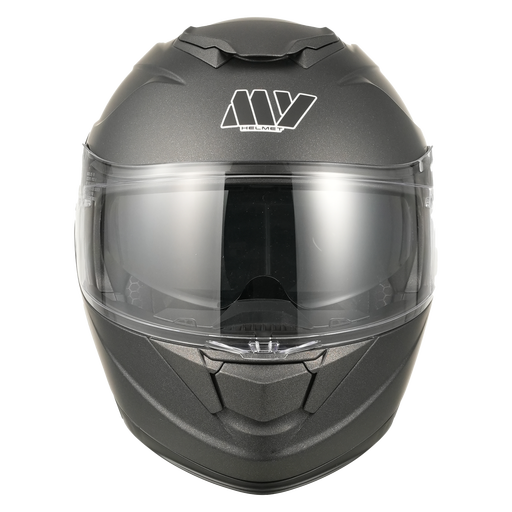
Why It Stands Out This helmet combines the flexibility of a modular design with the assurance of ECE 22.06 certification. The flip-up chin bar and dual visor system make it exceptionally practical for daily use and longer rides.
Key Features
Who Is It For? For the rider who is often on the road, such as for commuting or touring, and prefers the convenience of a flip-up chin bar.
View the MY Modular Helmet (935 Series) on Joybuy.nl
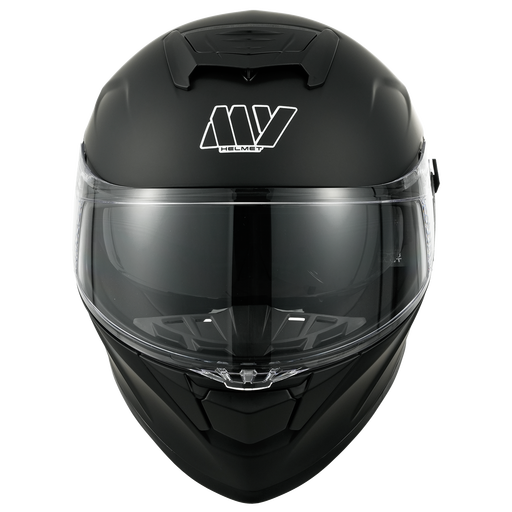
Why It Stands Out This is a classic full-face helmet that focuses on protection and ease of use. The helmet is ECE R 22.06 certified and offers a solid, single-piece construction combined with handy features for the everyday rider.
Key Features
Who Is It For? For the rider looking for a no-nonsense helmet that prioritises a high level of protection. Suitable for street use, recreational rides, and daily commuting.
View the MY Full-Face Helmet (936 Series) on Joybuy.nl
The right helmet is a personal choice. The models above are just two examples from a wide range. Are you looking for a different colour, another type, or do you simply want to compare more options?
Then check out our full range of certified helmets on the category page.
Discover More in the Motorcycle Safety Helmet Category
Yes, you can continue to use a helmet with an ECE 22.05 certification on public roads. There is no ban on wearing them. However, since 2024, all newly manufactured helmets sold in Europe must comply with the ECE 22.06 standard. When purchasing a new helmet, it is therefore wise to opt for the latest standard immediately.
A well-fitting helmet is crucial for both comfort and safety. Measure the circumference of your head at its widest point, about 2 cm above your eyebrows. Compare this measurement (in cm) with the manufacturer's size chart. A new helmet should fit snugly but not cause any painful pressure points. The helmet should not move or rotate when you shake your head.
Both helmet types must pass the same stringent ECE 22.06 tests to be certified, including the modular helmet in its closed position. A full-face helmet consists of a single piece and therefore has no moving chin bar, which theoretically offers higher structural integrity. A modular helmet's potential weak point is its hinge mechanism. For daily use, both types, provided they are ECE 22.06 certified, offer a high level of safety. The choice mainly depends on your personal preference for convenience versus maximum structural integrity.
