Buying a new motorcycle helmet is a pivotal decision. It's not just about style; it's about safety and comfort. With the introduction of the ECE 22.06 standard, the landscape for certified motorcycle helmets has shifted. What does this certification mean, and how do you choose a helmet that suits your riding style and budget? This guide provides factual information to help you make an informed purchase, without the marketing fluff.
Buyer's Guide: What to Look For
Before comparing models, it's essential to understand the basic criteria. The right helmet complies with legal standards, fits perfectly, and matches your type of use.
The ECE 22.06 Standard Explained
ECE 22.06 is the latest European safety standard for motorcycle helmets, replacing the older 22.05 standard. Helmets with this certification have undergone a more rigorous testing protocol. The key differences include:
- More Impact Points: The helmet is tested for impact absorption at a wider range of points.
- Rotational Impact Testing: Helmets are now tested on how they perform during an oblique impact, which can influence the risk of brain injury in a crash.
- Accessory Testing: Official accessories, such as an integrated motorcycle helmet with a sun visor, are tested along with the helmet to ensure they do not compromise safety.
An ECE 22.06 motorcycle helmet therefore offers a level of protection tested against the latest safety research.
Helmet Types: Full-Face vs. Modular
The two most popular choices for the all-round rider are the full-face and modular helmets.
- Full-Face Helmet: This helmet is constructed from a single piece, offering a high degree of structural integrity and protection. It's a popular choice for both sport riders and daily commuters.
- Modular Helmet: This helmet features a flip-up chin bar. This offers the convenience of an open-face helmet when you're stationary (e.g., at a petrol station) and the safety of a full-face helmet while riding. A modular helmet is often a favourite as a touring helmet or for commuting.
Essential Features
- Fit: A helmet should fit snugly without creating pressure points. Measure the circumference of your head at its widest point (about 2 cm above your eyebrows) and compare it to the manufacturer's size chart.
- Material: The outer shell is typically made of polycarbonate (ABS) or a composite of fibreglass, carbon, or aramid. Polycarbonate is generally more affordable, while composite materials can be lighter and stronger.
- Visor: A clear, scratch-resistant visor is standard. An integrated sun visor provides added comfort in changing light conditions. A Pinlock-ready visor helps prevent fogging.
- Weight: A lighter helmet reduces strain on your neck, which is more comfortable, especially on longer rides.
Our Top Picks for 2026
Based on the criteria above, we have selected a few models that meet the ECE 22.06 standard and offer practical features for the modern rider.
1. MY Modular Riding Helmet (935 Series) - Modular Helmet
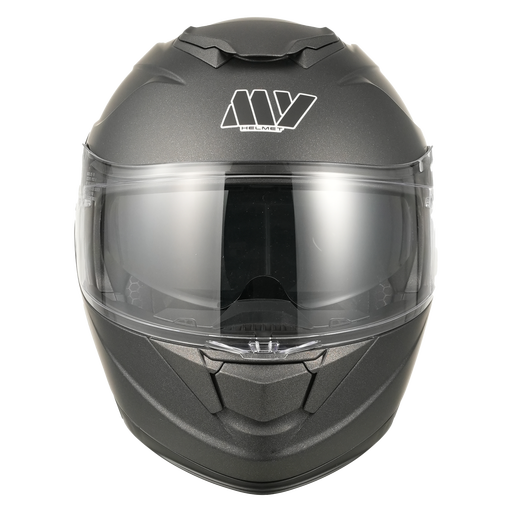
- Why We Chose It: This modular helmet combines the convenience of a flip-up chin bar with the assurance of ECE 22.06 certification. Its dual-visor system (clear outer visor and internal sun visor) makes it a versatile choice for various weather conditions.
- Key Features:
- Type: Modular Helmet.
- Safety: ABS outer shell with an EPS inner shell for shock absorption, ECE 22.06 certified.
- Comfort: Removable and washable inner lining, prepared for a Bluetooth communication system.
- Functionality: Integrated sun visor and a user-friendly buckle closure.
- Who It's For: Riders looking for a practical touring helmet for commuting and long-distance journeys, who value the flexibility of a flip-up chin bar. Suitable for both men and women.
2. MY Protective Riding Helmet (936 Series) - Full-Face Helmet
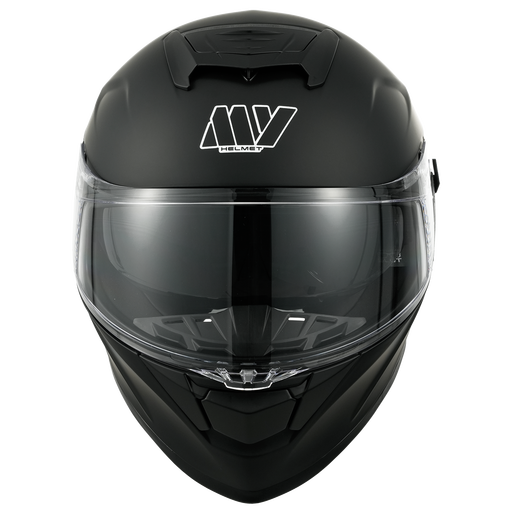
- Why We Chose It: If your priority is maximum structural protection, this full-face helmet is a solid choice. Available as a matte black motorcycle helmet, this model offers all the essential features in a sleek design and also complies with the ECE 22.06 standard.
- Key Features:
- Type: Full-Face Helmet.
- Safety: Full facial protection with an ABS shell and EPS cushioning, ECE 22.06 certified.
- Comfort: Skin-friendly, removable, and washable inner lining for hygiene and comfort.
- Functionality: Integrated sun visor for improved visibility in bright light.
- Who It's For: All-round riders who prefer the single-piece shell construction of a full-face helmet for daily use or more spirited rides.
An Alternative for Micromobility
It is crucial to choose a helmet designed for the vehicle you are using. A motorcycle helmet is specifically tested for the speeds and risks associated with motorcycling. For lighter transport, such as an e-scooter or electric bicycle, other helmets are more suitable.
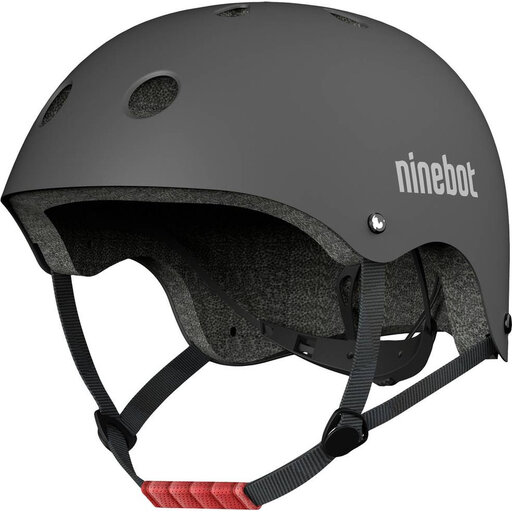
- Product: Segway-Ninebot Helmet Black
- Please Note: This is not a motorcycle helmet and does not have ECE 22.06 certification. This helmet is designed and certified for use on e-scooters and (electric) bicycles. It offers ventilation and a lightweight construction for comfort at lower speeds. Always choose a helmet that matches the legal requirements and risks of your vehicle.
Didn't Find the Right Helmet?
Your safety on the road is priority number one. But having the right equipment is important in other moments, too. Whether you're a home cook or have professional ambitions, quality gear makes all the difference. For a selection of functional and durable Chef's Gear, feel free to browse our category.
Frequently Asked Questions (FAQ)
1. Is an ECE 22.06 helmet mandatory? As of 2024, all newly manufactured helmets sold in Europe must comply with the ECE 22.06 standard. You are still permitted to use your existing, approved ECE 22.05 helmet on public roads for the time being. However, when purchasing a new helmet, it is highly recommended to opt for a 22.06 model.
2. What is the difference between a full-face and a modular helmet? The main difference is the chin bar. On a full-face helmet, the chin bar is a fixed part of the helmet's structure, providing maximum integrity. On a modular helmet, the chin bar can be flipped up, offering more convenience when you are stopped.
3. How do I know what size motorcycle helmet I need? Use a flexible measuring tape to measure the circumference of your head at its widest point, approximately 2 centimetres above your eyebrows and ears. Compare the measurement in centimetres to the size chart of the helmet you are considering. A new helmet should provide even pressure all around and should not move when you shake your head.
Written by: Joybuy Product Recommendation Officer