
Vandaag of morgen in huis

Kwaliteit gegarandeerd

Welkomstaanbiedingen ontgrendelen: GRATIS bezorging | Tot 80% korting | Gratis 30 dagen JoyPlus-proefperiode
Download de app
An ECE 22.06 modular flip-up motorcycle helmet combines the protection of a full-face helmet with the practical flip-up mechanism of a modular helmet. It’s handy for commuting, refuelling or making short stops. However, a long product title doesn’t tell you everything about comfort, fit or everyday use.
Many buyers run into the same problems:
ECE R 22.06 is a European standard for the approval of motorcycle helmets. It covers areas including shock absorption, visors, chin protection and various test scenarios. When buying a helmet, it’s worth checking that the product information actually states ECE R 22.06 or ECE 22.06.
The product information for the MY 935 and MY 936 models states that they are approved to ECE R 22.06. This is a product specification given in the relevant listings; it doesn’t mean you should automatically assume other qualities, such as fit or noise levels.
An ECE R 22.06 motorcycle helmet still needs to fit properly. Certification doesn’t replace the need for the right size, a correctly fastened strap or regular checks for wear.
Measure your head with a flexible tape measure, keeping it roughly horizontal across your forehead and above your ears. Then compare the result with the size chart for the specific model.
Sizes differ between models:
These differences may seem small, but they can make a noticeable difference to how a helmet fits. It should sit evenly without causing painful pressure. Also check whether the chin strap can be adjusted as described in the manual.
A flip-up motorcycle helmet has a front section that lifts, but the design and operation vary by model. So check:
The MY 935 is described as a motorcycle helmet with a dual visor. According to the product information, the visor is designed to protect your eyes from sunlight and offers 99% UV blocking. As this is a claim made in the product information, it’s best to treat it as a product specification from the seller, not a general guarantee for every riding condition.
The MY 936 has an integrated internal sun visor, according to the product description. This can be useful in changeable light, for example when riding through town or along country roads.
According to the listed technical details, the models have a hard ABS outer shell and an EPS inner layer. ABS is a commonly used plastic for helmet shells. Also check the inner lining. The MY 936 has a removable, washable lining, according to the product information. That’s handy if you use your helmet often.
The MY 935 has a dedicated Bluetooth recess under the chin pads on both sides. This makes it possible to install a compatible intercom, but a Bluetooth system isn’t included. Check the dimensions and fitting method of the headset you want to use before buying.
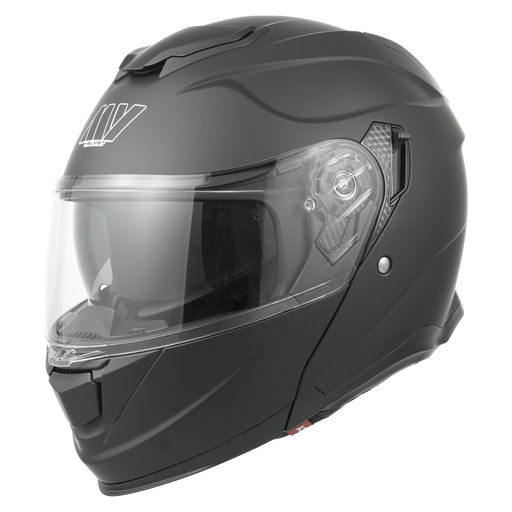
Why it suits this type of rider: This model offers a practical combination of a flip-up mechanism, dual visor and a size for a head circumference of 57–58 cm. That makes it a good fit for everyday use on a motorcycle or scooter.
The product information lists ECE R 22.06, the sizing and a dual visor. Be sure to check your size with a tape measure before ordering.
ABS shell, EPS inner layer, dual visor and a Bluetooth recess, according to the product specifications.
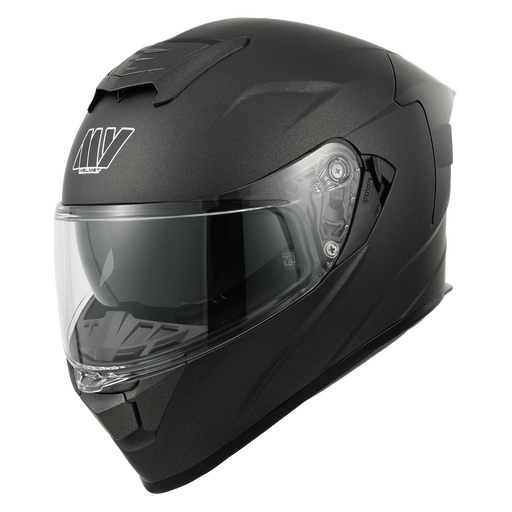
Why it suits this type of rider: The integrated sun visor and washable lining are handy for riders who use their helmet often and value easy maintenance.
The product page lists ECE R 22.06 and an internal sun visor separately, making it clearer what kind of sun protection you’re buying.
ABS outer shell, EPS lining, washable inner lining and integrated sun visor, according to the product description.
Why it suits this type of rider: For longer rides, a dual visor and Bluetooth-ready design can be useful. According to the listed size chart, this version is designed for a head circumference of 61–62 cm.
The listing specifies the certification, size, visor design and headset recess separately. A Bluetooth intercom itself isn’t included.
ECE R 22.06 according to the product information, dual visor, ABS material and Bluetooth-ready design.
Clean the visors with lukewarm water and a soft cloth. Avoid harsh cleaning products, as they can damage the surface. Let the inner lining dry completely before storing the helmet.
Check the fastening, visor mechanism, lining and outer shell regularly. After a hard impact, don’t continue using the helmet without having the situation carefully assessed. Even if the outside still looks fine, the internal structure may have been affected.
A black or matte titanium motorcycle helmet won’t change how it fits. Choose a colour only after checking the size, fastening, visor and certification information.
We’ve put together a complete, up-to-date list of products that meet these strict selection criteria and the applicable European safety regulations.
It can be, provided the helmet fits well and you can operate the flip-up front, fastening and visors comfortably. A modular motorcycle helmet is particularly practical if you stop regularly, but always check the instructions to make sure the front section stays closed while you’re riding.
Its lifespan depends on use, care, storage and any impacts. Check the manufacturer’s recommendations and replace the helmet sooner if it’s damaged, the fastening is worn or the lining has become loose. When you’re not using it, store the helmet somewhere dry and out of direct sunlight.
The Bluetooth recess isn’t a complete communication system. You’ll generally need a compatible intercom for calls, navigation or communicating with a passenger. So as well as the helmet price, check the cost of your chosen Bluetooth system and its installation.
