
Brunch hosts looking for something to share
You’re looking for a sweet addition that guests can help themselves to at the table. Sliced gingerbread gives you ready-to-serve slices; with an unsliced loaf, you can choose how thick to cut them.


Choose gingerbread if you’re looking for a sweet addition to the brunch table that you can slice; choose Easter chocolate if the treat or small gift is the main event. You can serve both, but a pack of chocolate bars isn’t automatically a box of chocolates or an Easter product. Check the portions, nutritional information and allergens for each product.
You’re looking for a sweet addition that guests can help themselves to at the table. Sliced gingerbread gives you ready-to-serve slices; with an unsliced loaf, you can choose how thick to cut them.
You want to check the ingredients, allergens and nutritional information for the exact gingerbread or chocolate before serving it.
You’re mainly looking for something to give as a gift or set out as a festive centrepiece. Check that the packaging is actually suited to the occasion, rather than judging by the contents alone.
First decide what role the product will play at the table: something to share at brunch, a treat or a gift. Then compare the packaging and labels of products suited to that purpose.
| What to consider | What to check when buying | Who it matters to |
|---|---|---|
| Sharing at the table | Compare the pack size and number of slices or pieces; check whether the gingerbread is pre-sliced. | If I want to serve something alongside the other brunch dishes for several guests, I mainly need portions that are easy to handle. For around 33% of consumers, shareability comes first. |
| Nutritional information | Compare sugars, fibre, energy and salt on the same basis: per 100 g and, if needed, per portion. | I want to see how the exact products differ, rather than relying only on a brand name or wording on the front. Around 27% of consumers prioritise this comparison. |
| Allergens and dietary requirements | Read the ingredients and allergen information for the exact product; check any required dietary claim on the packaging. | If a guest needs to avoid certain ingredients, I need to know exactly what I’m serving. For around 20% of consumers, this is the first thing they look for when buying. |
| Treat or gift | Check whether you’re buying Easter eggs, individual bars or a box of chocolates, and whether the presentation suits your purpose. | I’m looking for something to share or give as a gift, where the packaging matters just as much as the product. Around 20% of consumers prioritise the treat or gift aspect. |
According to the Netherlands Nutrition Centre, bakers aren’t required to use baker’s salt. So if you want to know whether a particular gingerbread is made with iodised salt, don’t rely on the product category alone.
Read the ingredients on the packaging of the gingerbread you plan to serve.
Peijnenburg states that its wholemeal gingerbread with no added sugars still contains 4.9 g of sugars per 100 g. The same variety contains rye and, according to the brand’s information, may contain nuts and milk.
Compare the nutritional information per 100 g and check the current ingredients and allergen information, even if the variety name sounds right for you.
Easter chocolate is part of a seasonal range. A product page doesn’t necessarily guarantee that the item will be available when you’re hosting brunch.
Check the availability and use-by date of the product you plan to buy shortly before purchasing.
Bars to share, Easter eggs and a box of assorted chocolates don’t automatically serve the same purpose at the table or as a gift.
Decide whether you want guests to help themselves during brunch or whether you want to give them a wrapped gift, then check which format you’re buying.
Gingerbread available in a range of varieties, including sliced, unsliced, wholemeal and explicitly labelled gluten-free options.
Albert Heijn’s own brand, with gingerbread and Easter chocolate as separate product types.
Lidl brand for seasonal Easter chocolate and Easter eggs.
Lidl range brand that includes plain, unsliced gingerbread.
These chocolate bars are options to share at Easter brunch. Check the packaging separately if you’re specifically looking for a box of chocolates, Easter-themed packaging or particular ingredients.
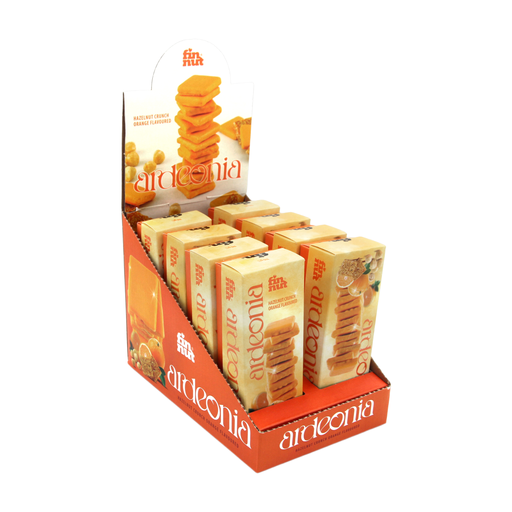 Image unavailable
An option if you want to share chocolate with several guests. The product name states 8 x 110 g; check the packaging for ingredients, allergens and whether it’s presented suitably as a gift.
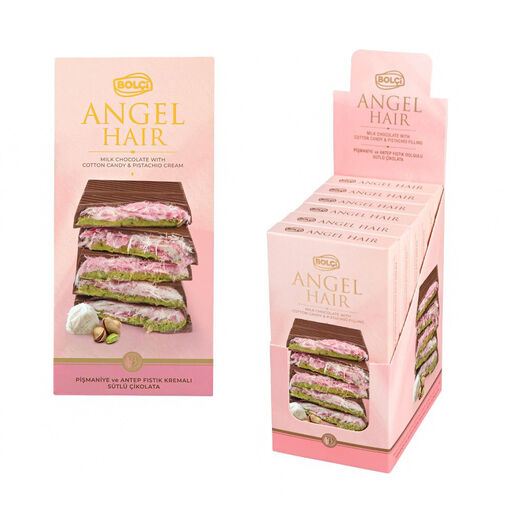 Image unavailable
An option if you want to put out chocolate bars for several guests. The product name states 6 x 170 g; check the ingredients and allergens on the current packaging before serving.
Choose gingerbread for a sliceable addition to the table, and chocolate for a treat or small gift. You can serve both if they each have a different purpose; for guests with specific requirements, always check the label on the exact product.
No, you can’t tell from the product name. The Netherlands Nutrition Centre says that bakers aren’t required to use baker’s salt, so check the ingredients of the specific gingerbread product.
Read the ingredients list and allergen information on the packaging of the exact product. The Netherlands Food and Consumer Product Safety Authority describes the requirement to list 14 allergens on the label; don’t assume a product is suitable based only on its category or brand name.
Not necessarily: the range is seasonal and availability can change. Shortly before buying, check the item you’ve chosen, its availability at your shop or for delivery to your area, and the use-by date on the packaging.