
Easter egg hunt organisers
If you’re hiding chocolate for participants to find and share, individual chocolate eggs are a good fit for the activity. Before handing them out, check the packaging and allergens for the exact product.


Choose chocolate eggs if participants need to find and hand out chocolate during an Easter egg hunt. A box of chocolates or pralines is better suited to a gift or serving, while chocolate sprinkles are for rusks or an Easter brunch, not the hunt itself. Check the ingredients, allergens, best-before date and storage instructions on the packaging you choose.
If you’re hiding chocolate for participants to find and share, individual chocolate eggs are a good fit for the activity. Before handing them out, check the packaging and allergens for the exact product.
Chocolate sprinkles are a topping for rusks or bread, or a decoration for breakfast. If you’re keeping an eye on quantities too, compare the serving size and nutritional information for the variety you choose.
A box of chocolates or pralines is a thoughtful gift or something to put out on the table. Presentation and contents matter more here than whether you can hide individual chocolate eggs.
First decide whether the chocolate is for a hunt, a gift or breakfast. Then check the packaging of the specific product for information that matters to your participants or guests.
| What to consider | What to check before buying | Who it matters to |
|---|---|---|
| Product type | Choose recognisable chocolate eggs for the hunt, and check whether individually wrapped chocolates are needed for your chosen hiding place. | If I want to hide chocolate eggs and hand them out to each participant, loose chocolate sprinkles won’t be much use. Around 33% of consumers prioritise suitability for an Easter egg hunt. |
| Gifting and presentation | Check whether the pack contains chocolates, pralines or chocolate eggs, and whether the quantity is right for the occasion. | For an Easter gift, I want something I can give or put on the table, not something to hide around a hunt area. Presentation is the top priority for around 25% of consumers. |
| Ingredients and allergens | Read the ingredients list and allergen information on the exact pack, even if you already know the brand. | If participants or guests need to avoid certain ingredients, I want to know what’s in this particular variety. This check is a priority for around 25% of consumers. |
| Serving size and nutritional information | Compare the nutritional values per 100 g and, where shown, per serving. Use the same unit when comparing products. | If I’m serving chocolate sprinkles on rusks alongside Easter chocolate, I want to be able to measure out the amount per person. Serving size matters most to around 17% of consumers. |
Chocolate sprinkles are a loose bread topping. They don’t provide the individual eggs that participants need to find during an Easter egg hunt.
Choose chocolate eggs to hide, and save the sprinkles for rusks, bread or decorating your brunch table.
Ingredients vary between varieties. For example, Jumbo lists milk and soya in De Ruijter and Venz dark chocolate sprinkles; that doesn’t tell you what’s in every other variety or box of chocolates.
Read the ingredients and allergen information for the product you’re actually buying, including before handing it out.
Information from the Netherlands Food and Consumer Product Safety Authority about iodised baker’s salt applies to bread, bread substitutes and other bakery products. It does not tell you the iodine content of chocolate sprinkles, chocolate eggs or pralines.
Check the ingredients information for the specific product to see which ingredients are listed.
Voedingscentrum gives the nutritional values for 15 g of dark chocolate sprinkles as 67 kcal, 9.1 g of sugars and 1.3 g of saturated fat. The nutritional values of another product or serving size may differ.
For an Easter breakfast, compare the nutritional information on the pack you choose and check which serving size it refers to.
The 200 g pack of dark chocolate sprinkles is a bread topping for rusks or brunch, not a pack of chocolate eggs.
The 400 g pack of dark chocolate sprinkles is intended as a bread topping or for baking, not as an individual item to find.
Albert Heijn’s Easter range separates chocolate eggs from other Easter chocolate, among other categories. This helps you choose between a hunt and a gift or serving occasion.
These products are suitable for chocolate sprinkles on rusks, or chocolate to give as a gift or serve. For a hunt where participants need to find chocolate eggs, choose individual chocolate eggs; a praline, truffle or chocolate bar is not automatically an Easter egg.
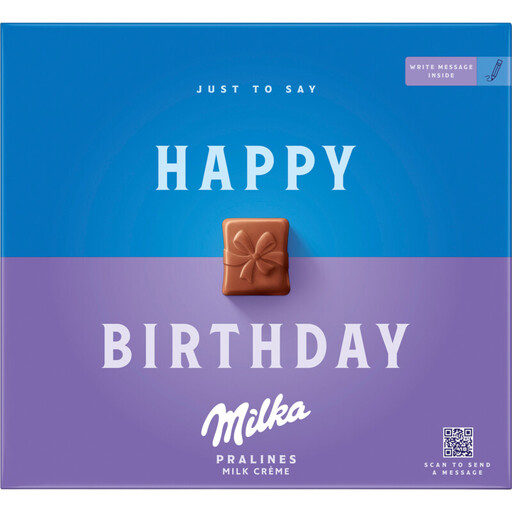 No image available
A box of pralines for a gift or to serve. If you want to hide or hand out individual chocolates, check the packaging first and choose chocolate eggs for an Easter egg hunt.
Check the ingredients and allergens on the exact packaging.
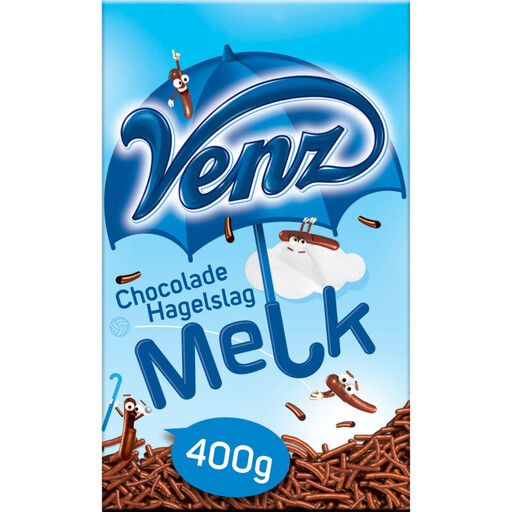 No image available
For rusks or bread at Easter breakfast; loose chocolate sprinkles are no substitute for chocolate eggs in a hunt.
400 g pack. For serving sizes and allergens, compare the nutritional information and ingredients for this milk chocolate variety, not those for Venz dark chocolate sprinkles.
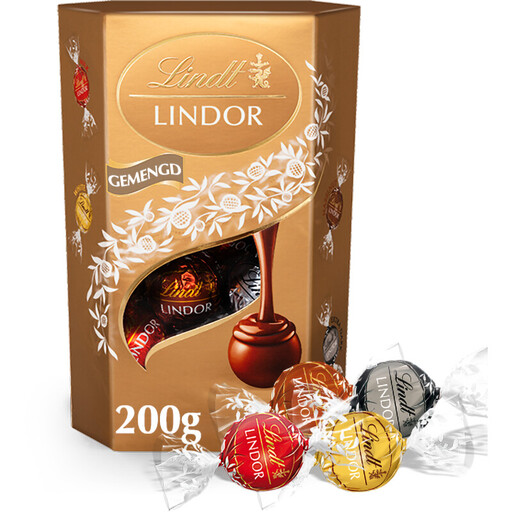 No image available
An assortment to give as a gift or put out on the table, not a pack labelled as chocolate eggs.
200 g pack. If handing these out individually, check the packaging; for guests, read the ingredients and allergen information.
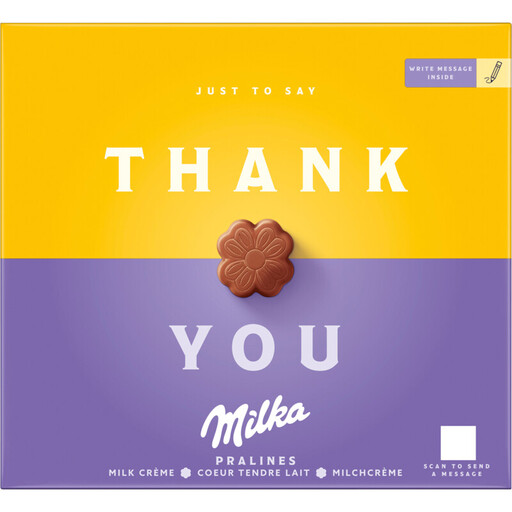 No image available
A box of pralines for a small gift or to serve, not for hunting for chocolate eggs.
110 g pack. Check that the packaging suits the way you plan to hand them out, and read the allergen information on the box you choose.
 No image available
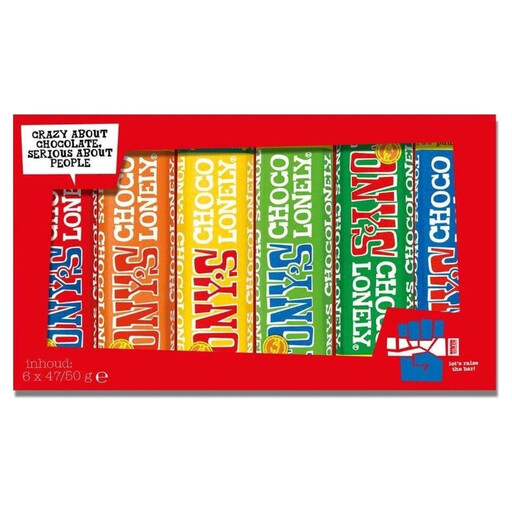
A chocolate gift to share; this is not a box of chocolate eggs or pralines. For an Easter egg hunt, it’s the shape of the individual items being hidden that matters.
288 g pack. Before handing it out, check the packaging, ingredients and allergens.
Not if participants need to find individual chocolate eggs. Chocolate sprinkles are a bread topping; you could serve them on rusks alongside the activity and choose chocolate eggs to hide.
Check the ingredients list on the exact packaging. The Netherlands Food and Consumer Product Safety Authority says that allergens in prepacked foods must be listed in the ingredients list on the label and clearly identifiable there.
No, you can’t draw that conclusion. Information from the Netherlands Food and Consumer Product Safety Authority about baker’s salt relates to bread, bread substitutes and other bakery products; it does not establish the iodine content of a pack of chocolate sprinkles or pralines.
Follow the storage instructions and best-before date on the packaging you buy. For De Ruijter and Venz dark chocolate sprinkles, Jumbo recommends storing them in a cool, dry place. Check the instructions again if you choose a different variety.
Compare the nutritional information for the exact varieties using the same quantity, and check their ingredients too. As a reference, Voedingscentrum gives the values for 15 g of dark chocolate sprinkles as 67 kcal, 9.1 g of sugars and 1.3 g of saturated fat; these figures don’t apply to every dark or milk chocolate variety.