Choose earphones you can use to listen and repeat words again and again, without the fit or your listening environment getting in the way. Noise-isolating in-ear models may suit you if room noise is distracting, while open or semi-open models are a better fit if you want to stay aware of your surroundings. Wired earphones are an option if your device has the right connection. None of the product specifications mentioned here prove that a particular model makes Dutch vowels easier to recognise.
Who are these earphones for?
Vowel practice listener
You practise Dutch vowels and words by listening to audio repeatedly and saying them aloud. Oefenen.nl describes exercises of this kind. When choosing earphones, focus on a comfortable fit that stays comfortable during repeated listening.
Evening learner in a shared space
You practise with other people nearby and want to decide whether to reduce background noise or stay aware of it. A listening mode or design choice is no guarantee that you’ll hear your housemates clearly, so consider your space and when you practise.
Listener with sensitive ears
In-ear tips that seal your ears may feel uncomfortable. You could consider a semi-open or open design, though the trade-off is that it lets in more background noise.
Which buying considerations matter?
Start with the fit and whether you want to stay aware of background noise. Then check that the connection and battery life suit your playback device and practice sessions.
| What to consider |
What to check before buying |
Who should pay extra attention? |
| Listening and repeating |
Look for a comfortable fit and controls that make it easy to pause or replay audio. |
I want to listen to Dutch sounds and words repeatedly and say them aloud without the earphones becoming uncomfortable. Around 36% of consumers say listening and repeating is their top priority. |
| Background noise |
Compare sealing ear tips and noise cancellation with an ambient sound mode or an open design. |
If noise in the room distracts me, I want to be able to take that into account; if I want to hear my housemates, less isolation may be more relevant. Around 29% of consumers put managing background noise first. |
| Fit |
Check which sizes of ear tips are included, or consider a semi-open or open design. |
I want to practise for longer without pressure from sealing ear tips, and may be happy to accept less noise isolation. Around 21% of consumers say wearing comfort is their top priority. |
| Connection and battery life |
Check your device’s connection and, for wireless models, compare battery life per charge with the total including the charging case. |
If I practise using a fixed device or want to avoid charging mid-session, the connection needs to work with my device. Around 14% of consumers say connection and battery life are their top priorities. |
Common pitfalls when choosing earphones for practice
-
Mistaking battery life including the case for uninterrupted listening time
The stated total battery life may include the charging case. The Consumentenbond reports that the small batteries in wireless earphones are almost never replaceable.
Compare battery life per charge with the length of your practice session, not just the total including the case.
-
Assuming noise cancellation or bass means better vowel distinction
Noise cancellation deals with background noise; a product specification doesn’t prove how well you’ll recognise Dutch vowels with a particular model.
Choose based on the fit and your listening environment, and listen to your practice recordings at a moderate volume.
-
Choosing wired earphones without checking the connection
A wired pair will work straight away only if its connection is compatible with your phone, tablet or computer.
Check both the plug and your device’s port before buying.
If your device doesn’t have a compatible connection, you may need a suitable adapter.
-
Confusing paid-for extra cover with your statutory rights
Additional cover is separate from your statutory rights. According to ACM ConsuWijzer, the retailer must resolve an issue if a product fails sooner under normal use than you could reasonably expect.
Check separately what extra cover offers and what your statutory rights already include.
Brands to consider when choosing
Sony
The WF-C710N is a noise-isolating wireless option if you’d also like an ambient sound mode.
- Sony Netherlands lists an ambient sound mode, multipoint and IPX4 for this model.
- These specifications don’t tell you whether the fit will be comfortable for you or suit vowel practice.
JBL
The Tune Beam 2 is a wireless in-ear option with several listening modes.
- JBL lists Adaptive Noise Cancelling, Ambient Aware and TalkThru.
- These features don’t prove that the earphones make Dutch vowels easier to recognise.
soundcore
The K20i is a semi-open option if you’d rather not use sealing ear tips.
- soundcore describes a design without ear tips, as well as app settings for the equaliser and controls.
- Less isolation may be distracting in a noisy space where you practise.
Philips
The TAE1105BL/00 is a wired in-ear option for a device with a compatible connection.
- Philips describes controls on the cable.
- Check your device’s connection; the wired design doesn’t prove that these earphones are particularly suited to Dutch vowels.
Apple
The AirPods Pro 3 are an in-ear option if you want to compare different listening modes and several sizes of ear tips.
- Apple lists Active Noise Cancellation, Transparency mode and five sizes of silicone ear tips. Stated listening time is up to 8 hours per charge with ANC enabled.
- Stated battery life isn’t guaranteed for every use; extra features don’t prove that the earphones will help you learn pronunciation better.
Joybuy products for vowel practice
This selection includes wired earphones and wireless in-ear and open-ear models. Choose based on your device’s connection, the fit you find comfortable and whether you want to stay aware of background noise.
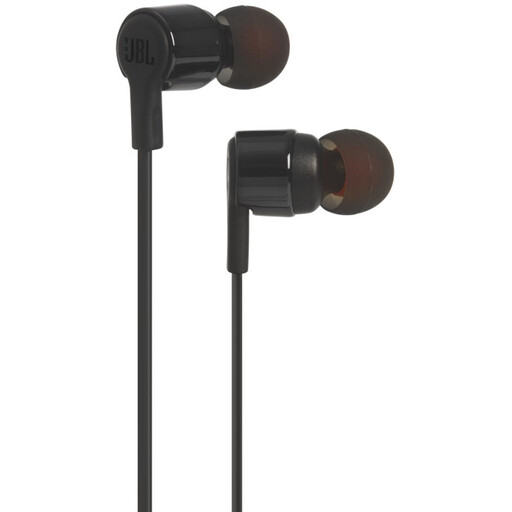 Image unavailable
JBL Tune 210 wired in-ear earphones, black
A wired option if your device has a compatible 3.5mm connection and you don’t want to charge an earphones battery.
The product name lists a 3.5mm connection and a microphone. Check that the connection is compatible with your playback device.
Joybuy
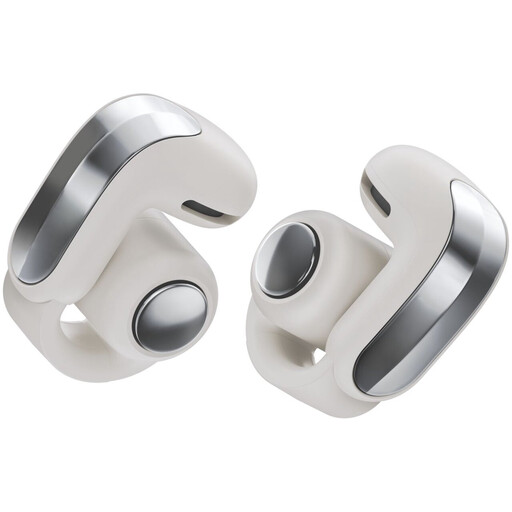 Image unavailable
Bose Ultra Open Earbuds 2nd Gen, white
An open-ear option if you want to stay aware of the sounds around you while practising and don’t want sealing ear tips.
The open design doesn’t block out background noise, so it may be distracting in a noisy space.
Joybuy
 Image unavailable
Bose Noise Cancelling Wired Earbuds, black
A wired option if you want to consider noise cancellation and your playback device has a compatible USB-C audio connection.
The product name describes a wired model with noise cancellation. Check your device’s connection before buying.
Joybuy
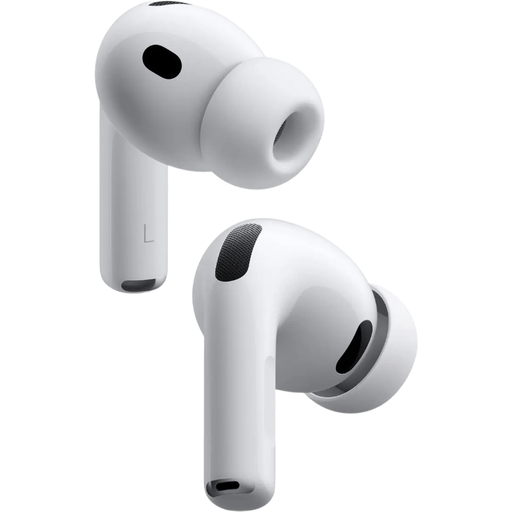 Image unavailable
Apple AirPods Pro 3
A wireless in-ear option if you want to switch between noise cancellation and hearing what’s happening around you.
Apple lists Active Noise Cancellation, Transparency mode and five sizes of silicone ear tips. Stated listening time is up to 8 hours per charge with ANC enabled; your actual battery life may vary.
Joybuy
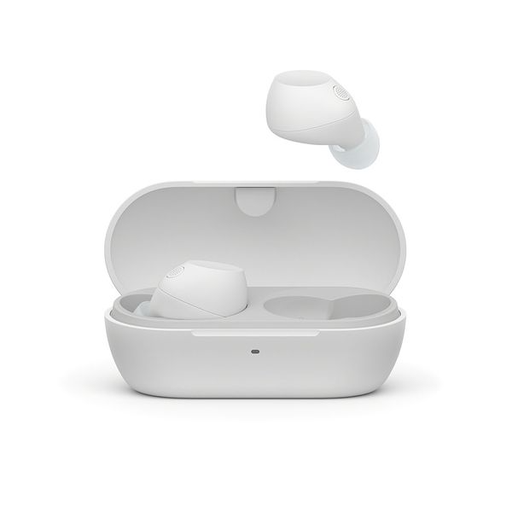 Image unavailable
Sony WF-C710N wireless earphones, white
A noise-isolating wireless option if you want to reduce room noise but still be able to use an ambient sound mode.
Sony Netherlands lists an ambient sound mode, multipoint and IPX4 for the WF-C710N. These specifications don’t tell you whether the fit will be comfortable for you.
Joybuy
Frequently asked questions
Do I need to switch on ANC to hear Dutch vowels?
No. ANC isn’t essential for vowel practice and doesn’t prove that you’ll recognise vowels better. If noise in your room is distracting, you could consider a noise-isolating fit or ANC. If you want to stay aware of your housemates, look for an ambient sound mode or an open design.
How can I practise with earphones without constantly turning up the volume?
Listen at a moderate volume and pause the audio to repeat words aloud. The World Health Organization points out that both sound level and listening time matter. 80 dB for 40 hours a week is an example for adults, not a recommended target volume for this exercise.
Does a 30-hour battery life mean I can practise for 30 hours without stopping?
No. Check whether the stated battery life is per charge or includes the charging case. Extra listening time from the case means you’ll need to put the earphones in it to recharge them between uses.
What are my return and warranty rights when buying online in the Netherlands?
For an online consumer purchase, you generally have a statutory 14-day cooling-off period from delivery, although there are exceptions. ACM ConsuWijzer and Business.gov.nl describe, among others, an exception for eligible sealed hygiene products if the seal has been broken after delivery. Whether that exception applies to a specific pair depends on the product and the terms of sale. You also have a statutory warranty: if a product fails sooner under normal use than you could reasonably expect, contact the retailer.


