First, choose earphones that work with your audio source and feel comfortable to wear for extended periods. Then consider how well the ear tips block out ambient noise. Wired in-ear monitors have no battery in the earphones and are in line with KLM’s advice for its onboard entertainment system. Active noise cancellation is an alternative if low engine noise is your main concern. Before you leave, check the connections on both your own device and your flight.
Who are these earphones for?
Lecture listener looking to block out cabin noise
You want to follow spoken explanations without constantly turning up the volume. The Consumers’ Association explains how snug-fitting in-ear tips can block out ambient noise; Etymotic specifies passive isolation for the ER2SE.
Listener with sensitive ears
You want to listen to a lecture for an extended period, so you’re considering fit and tip options, not just a stated noise reduction rating. The Consumers’ Association discusses how well in-ear earphones seal; Sennheiser lists tips in different materials and sizes for the IE 200.
In-flight entertainment screen user
You want to connect your own earphones to the onboard audio. KLM recommends wired headphones for its Economy entertainment system and mentions a Bluetooth adapter for passengers using their own Bluetooth headphones.
What should you look for when choosing?
| What to consider |
What should you look for? |
Who is this important for? |
| Speech clarity |
Try the seal with spoken audio. Compare ANC if low engine rumble is your main concern. |
If I want to follow a lecture over cabin noise, I look for tips that seal well without having to keep turning up the volume. Around 33% of consumers put speech clarity first. |
| Long-term comfort |
Try the available tip sizes and materials before you leave. If the fit is deeper, pay extra attention to how it feels for you. |
For a long listening session, I want a fit that stays comfortable. Around 27% of consumers give long-term wearing comfort top priority. |
| Connectivity |
Check the output on your own device as well as the facilities on your flight. A wired plug won’t necessarily fit every audio source. |
If I want to use my own device or the in-flight entertainment screen, I check in advance that the connection is compatible. Around 20% of consumers put connection reliability first. |
| Maintenance |
Check whether the tips and cable are replaceable for the exact model, and follow the manufacturer’s care instructions. |
If I want to use my earphones regularly, I look for replaceable parts and easy maintenance. Around 20% of consumers give maintenance and long-term use top priority. |
Common buying mistakes
-
Assuming a noise reduction rating guarantees silence on a flight
The seal depends partly on the shape of your ears and the tips you choose. Passive isolation and active noise cancellation also deal with sound in different ways.
Try the tips with spoken audio. Treat stated noise reduction figures as manufacturer claims, and compare ANC if low engine noise is your main concern.
-
Buying wired in-ear monitors without checking the audio source
The plug on your earphones doesn’t determine which output is available on your phone, tablet or aircraft seat.
Before you buy, check both your own device and the facilities on your flight. You may need a compatible adapter, depending on the connection.
You may need a compatible adapter as well as the earphones.
-
Trying a deep-sealing tip for the first time on a long flight
A noise reduction claim doesn’t tell you whether a tip will stay comfortable while you listen for a long time.
Try the available sizes at home, and take an alternative with you if your chosen fit doesn’t stay comfortable.
If none of the supplied tips fit properly, you may need a different compatible tip.
Brands to consider
Shure
The wired SE215 is a useful comparison if a choice of tips and a replaceable cable matter to you.
- Shure lists a 3.5mm cable, a fit kit and a replaceable cable.
- The stated isolation of up to 37 dB is a manufacturer claim; the actual seal depends partly on the fit. A cable may get in the way in an aircraft seat.
Etymotic
The wired ER2SE is worth considering if you want to compare passive isolation and the sound profile described by the manufacturer.
- Etymotic specifies passive noise reduction of 35–42 dB for the ER2SE, as well as a replaceable cable.
- The stated noise reduction doesn’t tell you whether the deeper fit will feel comfortable during a long flight.
Sennheiser
The wired IE 200 is an option to compare if you’re looking for a compact in-ear design with a choice of tip materials.
- Sennheiser lists silicone and memory foam tips in three sizes, a detachable MMCX cable and a 3.5mm plug.
- The neutral sound described by the brand isn’t an independent assessment of how well it reproduces speech over cabin noise.
Sony
The wired IER-M500 is a model to compare if wearing style and tip options are important to you.
- Sony describes noise-isolating tips, a flexible ear hook and a cable clip.
- Sony positions this model for stage use; that doesn’t show that it’s more comfortable in an aircraft seat or better at reproducing speech there.
Products at Joybuy
This selection includes wired USB-C earphones and wireless options with active noise cancellation. Check that the connection is compatible with the audio source you plan to use during your flight.
 No image available
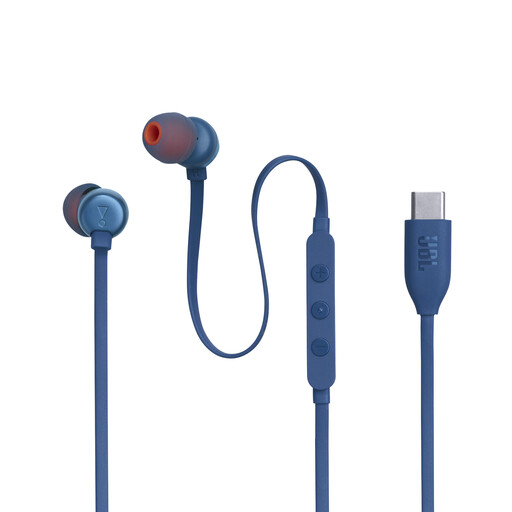
JBL Tune 310C wired USB-C in-ear earphones, blue
A wired option if your audio source has a compatible USB-C output.
USB-C connection; silicone tips.
View at Joybuy
 No image available
Samsung Galaxy Buds4 Pro wireless ANC earphones, black
A wireless option to compare if active noise cancellation matters to you. For KLM Economy entertainment, KLM mentions using a Bluetooth adapter with your own Bluetooth headphones.
Wireless; active noise cancellation; black.
View at Joybuy
 No image available
Bose Noise Cancelling Wired Earbuds, black
A wired noise-cancelling option to compare if you’re not looking for wireless earphones.
Wired; noise cancelling; black.
View at Joybuy
 No image available
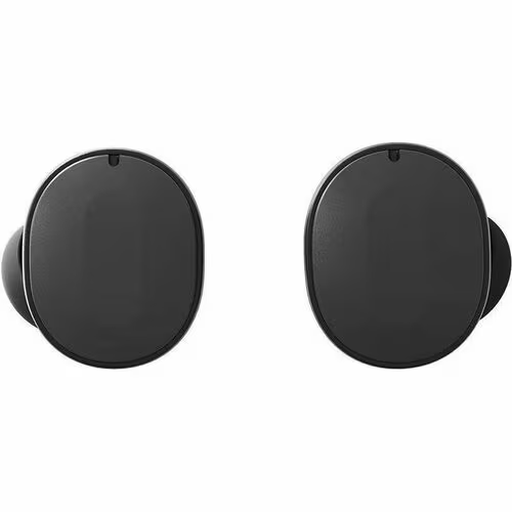
Fairphone Fairbuds, black
A wireless ANC option to compare if you want to tackle ambient noise. Check that it works with the audio source on board for the way you plan to use it.
Wireless; hybrid active noise cancellation; black.
View at Joybuy
 No image available
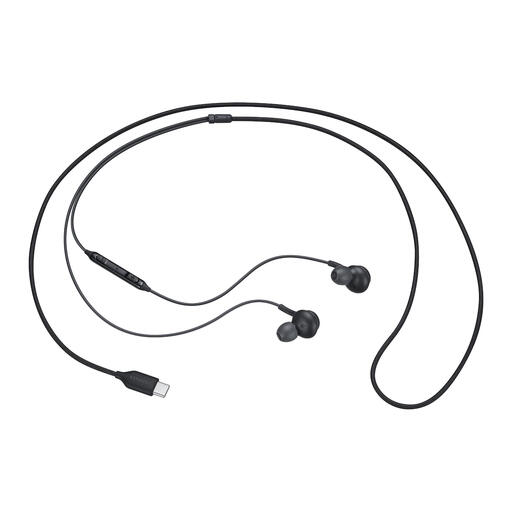
Samsung EO-IC100 wired USB-C earphones, black
A wired option for an audio source with a compatible USB-C output.
Wired; USB Type-C; for calls and music; black.
View at Joybuy
Frequently asked questions
Can I connect my earphones to my flight’s in-flight entertainment system?
That depends on the connection available on your flight and the type of earphones you have. KLM recommends wired headphones for its Economy entertainment system and mentions a Bluetooth adapter for passengers using their own Bluetooth headphones. Check which connection is available on your flight before you leave.
How should I try and care for the tips?
Try the supplied tip sizes before you leave. Shure explains how to check that a tip fits properly and that the sound outlet isn’t blocked on the SE215. For other models, follow the relevant instructions and replace any tip that doesn’t stay securely in place.
Should I turn up the volume to hear a lecture over engine noise?
First, try well-fitting headphones or earphones, with noise cancellation if you like, so you’re less likely to feel the need to turn up the volume. The World Health Organization points out that volume, listening time and repeated exposure all matter.
Is the Shure SE215 cable replaceable, and what should I do if a product doesn’t work properly?
Shure lists a replaceable cable for the SE215; check with the retailer for the price and availability of the correct cable. In the Netherlands, statutory guarantees apply if a product used normally doesn’t meet the standard you could reasonably expect. The retailer is responsible for this.
Can I put a power bank or spare battery in my checked luggage?
According to the Netherlands Human Environment and Transport Inspectorate, spare lithium batteries and power banks are allowed in hand luggage, but not in checked luggage. Airlines may have stricter rules. Wired in-ear monitors without their own battery don’t need a battery to be carried.


