For downloaded Dutch listening exercises, wired USB-C earphones are a good choice if you want to practise without charging them and your device is compatible. Wireless earphones give you more freedom to move, while noise cancellation can help if background noise is distracting. With either type, test in your own playback app whether you can not only pause, but also rewind precisely.
Who are these earphones for?
Self-study with lots of repetition
You listen to downloaded exercises repeatedly and want to play and pause them without reaching for your screen each time. Check separately how to rewind a clip in your playback app; a pause button doesn’t mean that this feature is available.
Practising around background noise
For example, you might listen while travelling and want to follow speech without constantly turning up the volume. Consider the fit and whether you need a seal or noise cancellation for where you’ll be listening.
Long sessions or practising without charging
You’re looking for earphones that stay comfortable during longer sessions, or you’d rather not rely on a charging case. Comfort and the choice between wired and wireless are separate considerations.
What should you look for in earphones for listening exercises?
First, check that the earphones work with your playback device and that you can easily pause and rewind the recording in your app. Then choose between not having to charge your earphones, the freedom of wireless listening and less distraction from background noise.
| What to consider |
What to check |
Consumers |
| Repeating recordings |
Test playback and pausing, and check how to rewind in your own app. |
When I repeat short clips, I don’t want to keep reaching for my screen. Around 33% of consumers put playback controls for repeating clips at the top of their list. |
| Following speech around background noise |
Consider the fit and whether you need a seal, noise cancellation or an ambient mode. |
When I listen on the go, I want to follow speech without constantly turning up the volume. Around 27% of consumers prioritise a more peaceful listening experience. |
| Comfort |
Consider whether a sealed in-ear fit feels comfortable; with in-ear earphones, check the size and fit of the eartips. |
For longer exercises, I want earphones that stay comfortable. Around 20% of consumers put comfort first. |
| Listening without a charging break |
Compare the earphones’ own playback time with the length of your sessions; a wired option means you don’t have to charge an earphone battery. |
I want to listen to a recording without stopping to charge, so I don’t mind using a cable. Around 20% of consumers prioritise not having to charge their earphones. |
Common mistakes when choosing
-
Confusing playback time with the charging case with listening time on the earphones
The stated time including the case isn’t the same as listening continuously with the earphones. You also can’t use them while they’re charging in the case.
Compare the stated playback time of the earphones themselves with the settings you want to use.
A flat battery can interrupt a practice session while the earphones are charging.
-
Assuming a pause button also rewinds
Playback and pause controls don’t guarantee that you can rewind a clip in every playback app.
Try the controls with one of your own downloaded files and the app you use.
-
Choosing noise cancellation without considering fit and volume
Comfort varies from person to person, and noise cancellation is no reason to listen at a high volume for long periods.
Choose a comfortable design, try suitable eartips if possible and keep the volume low.
Brands and models to consider
Sony
The models reviewed include the wired IER-EX15C earphones and the wireless WF-C510. Your choice will depend partly on your connection and how much freedom to move you want.
- Sony lists playback, pause and volume controls for the IER-EX15C. This model requires a compatible USB-C connection.
- Sony states that the WF-C510 offers up to 8 hours of music playback with Ambient Sound Mode on and up to 11 hours with it off. This isn’t a measure of listening time during exercises.
JBL
The JBL Tune 310C USB is wired, while the Tune Buds 2 are wireless and, according to JBL, feature noise cancellation and an ambient mode.
- JBL lists three-button controls for the Tune 310C USB. Check that your device supports USB-C audio.
- JBL quotes up to 48 hours of playback for the Tune Buds 2. This doesn’t mean you can listen continuously using the earphones alone.
Fairphone
The Fairbuds 2 are worth considering if replaceable batteries and parts are important factors when choosing wireless in-ear earphones.
- Fairphone lists replaceable batteries in both the earphones and the case, as well as hybrid active noise cancellation.
- Check separately whether replacement parts are available and whether the controls work with your playback app.
Joybuy earphones for listening exercises
This selection includes wired USB-C earphones and wireless models with noise cancellation for downloaded listening exercises.
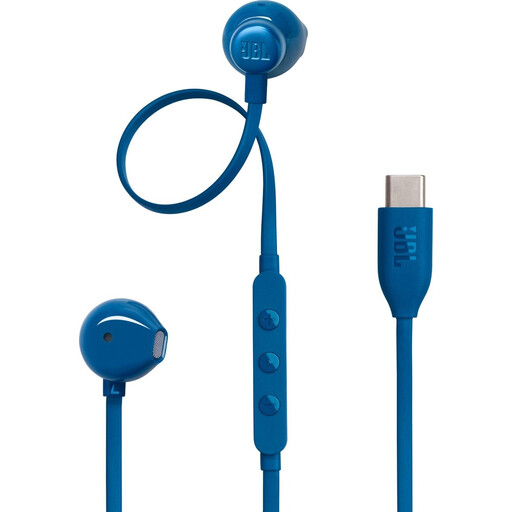 Image unavailable
JBL Tune 305C, blue
A wired option if you don’t want to charge an earphone battery. Check that your device supports USB-C audio, and test whether the controls work with your playback app.
View at Joybuy
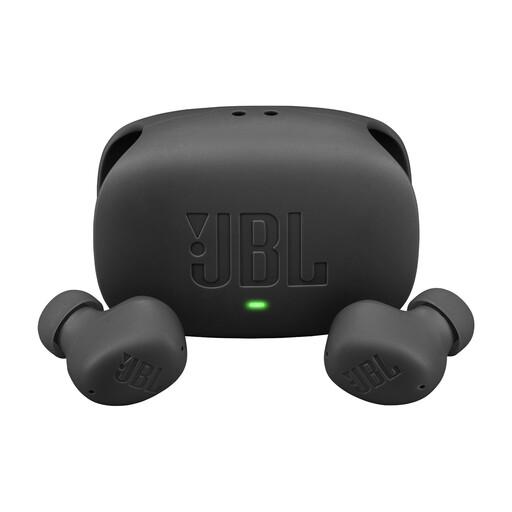 Image unavailable
JBL Wave Buds 2, black
A wireless option if you’d like less background noise while practising. Check that the listening modes and controls suit where you listen and the playback app you use.
View at Joybuy
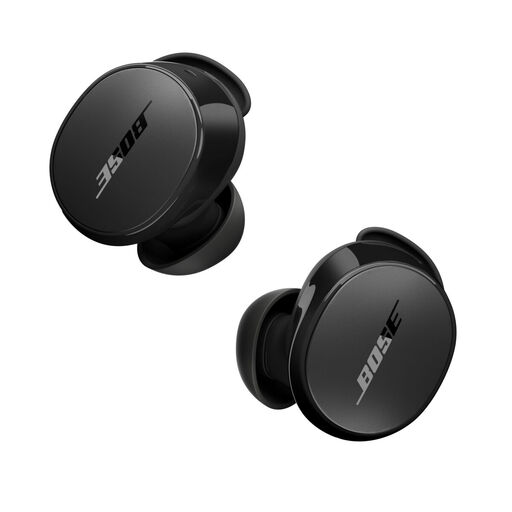 Image unavailable
Bose QuietComfort Earbuds, black
A wireless option if you want on-ear controls and less distraction from background noise. Test whether pausing works in your app; controls for skipping tracks aren’t the same as rewinding.
View at Joybuy
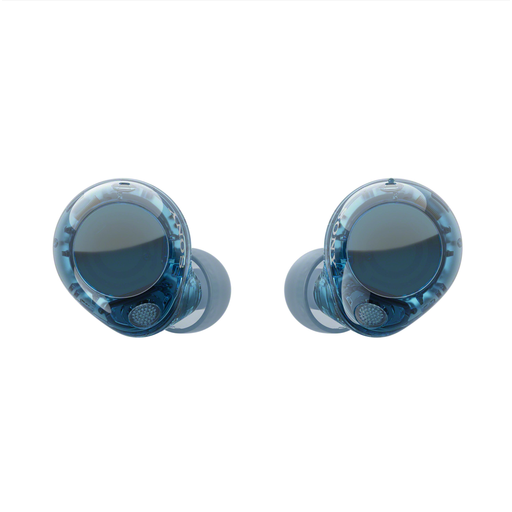 Image unavailable
Sony WF-C710N, Glass Blue
For anyone who wants to switch between listening and staying aware of their surroundings while practising amid background noise. Test the controls with your playback app and check which listening mode suits where you are.
View at Joybuy
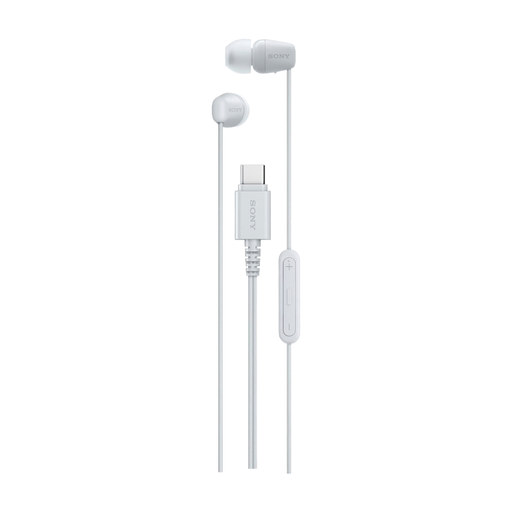 Image unavailable
Sony IER-EX15C, white
Wired USB-C in-ear earphones for practising without needing to charge them. Check that your device supports USB-C audio; playback and pause controls don’t guarantee that you can rewind.
View at Joybuy
Frequently asked questions
Are downloaded listening recordings stored on the earphones?
Use your phone, tablet or computer as the source for the files, and check whether your playback app can open them offline. Don’t assume the earphones store the recording themselves. Test pausing and rewinding with one of your own practice files.
How do I connect the earphones and account for listening time?
For wired USB-C earphones, check that your device supports USB-C audio; connect wireless earphones according to your device’s instructions. For wireless models, compare the playback time of the earphones themselves, not just the total time including the charging case.
How can I listen safely when I repeat the same recording often?
Keep the volume low and take breaks. The World Health Organization cites four hours per week at 90 dB as a safe listening time; this isn’t a guaranteed safe volume level for every device or listener.
What rights do I have in the Netherlands when I buy earphones online?
When you buy online from a business, you generally have a statutory 14-day cooling-off period from the date of delivery. The Authority for Consumers and Markets describes circumstances in which the cooling-off period may not apply to sealed products that must remain hygienic. Before breaking any seal, check what applies to the product. You’re also entitled to a statutory guarantee that a product will meet what you could reasonably expect under normal use; in the Netherlands, this guarantee does not have a fixed two-year term.


