
Vandaag of morgen in huis

Kwaliteit gegarandeerd

Welkomstaanbiedingen ontgrendelen: GRATIS bezorging | Tot 80% korting | Gratis 30 dagen JoyPlus-proefperiode
Download de app
Want to listen to music, catch up on podcasts, watch videos or make hands-free calls without repeatedly buying the wrong thing? Many earphones and headphones look similar, but they can differ significantly in connectivity, comfort, battery life and microphone quality.
Marketing terms such as “studio sound”, “3D audio” and “noise cancelling” don’t always tell you how a product will perform in everyday situations. Focus instead on verifiable specifications and how you plan to use the model.
More and more smartphones, tablets and laptops use USB-C. An older device with only a 3.5 mm socket won’t automatically work with USB-C earphones. Also check whether your device supports audio over USB-C. Wireless models require Bluetooth, and you’ll need to consider pairing, charging and possible audio delay.
For wireless earphones, the stated play time sometimes refers only to the total with the charging case. That’s different from the play time of the earphones themselves. Noise cancelling, phone calls and high volume can all affect battery life. Compare these separately:
Noise-cancelling headphones use active noise cancellation to reduce ambient sound. How well they work depends on the seal around your ears or the fit of the earphones. A poorly fitting model may be less comfortable and less effective at reducing ambient noise. Check whether several ear tip sizes are included and whether the model is suitable for long periods of wear.
Bluetooth earphones are practical for commuting, walking and exercise. There’s no cable to brush against your clothes, but you will need to charge them. Check the Bluetooth version, range and support for connecting to multiple devices.
Wired earphones don’t need a battery and are ready to use straight away. They’re handy at work, with tablets or as a spare pair. The Samsung EO-IC100 and Sony IER-EX15C use USB-C. According to the product specifications, the Sony also has a built-in microphone and remote control for music and calls.
For exercise, a secure fit, low weight and water-resistance rating are important. An IPX4 rating means protection against splashes, but it doesn’t mean you can submerge the product or use it in heavy rain.
If you often make calls or attend online meetings, check whether the model has a microphone and where it’s positioned. Look for terms such as earphones with a microphone, built-in microphone and controls for answering, muting or ending calls. Also check whether the volume controls are on the cable, on the ear cup or operated by touch.
Claims about call quality or noise reduction sometimes come from brand communications. Treat them as product features stated in the description, not as a guarantee for every environment. A call may sound different in a busy station than in a quiet room.
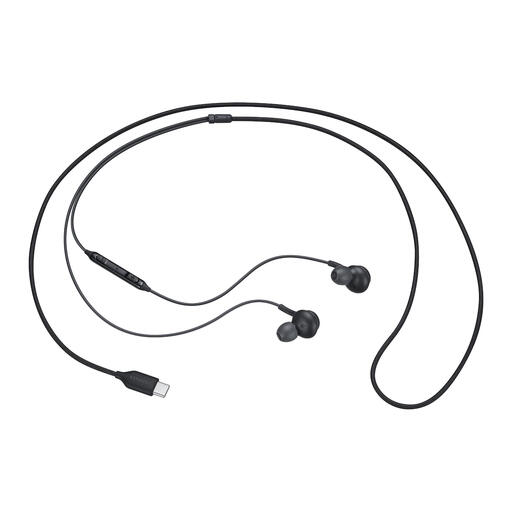
Why it suits this user: This wired model works without Bluetooth pairing or a charging case, making it easy to use for everyday listening and calls with a compatible USB-C device.
There’s no need to check battery life or Bluetooth compatibility. Do check first that your device supports USB-C audio.
USB Type-C, built-in microphone, cable controls, in-ear design and a stated weight of 18.35 grams.
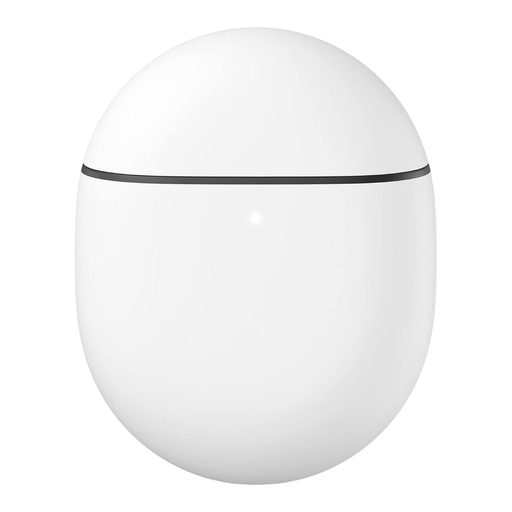
Why it suits this user: The combination of active noise cancellation, transparency mode, multipoint connectivity and wireless charging makes these earphones a good fit for travelling, working and everyday use with multiple devices.
The product information lists active noise cancellation, ambient sound, three ear tip sizes and a charging case separately. This makes it easier to compare the features and fit.
Bluetooth 5.0, multipoint connection, Qi wireless charging, IPX4 splash resistance and controls for calls and volume.
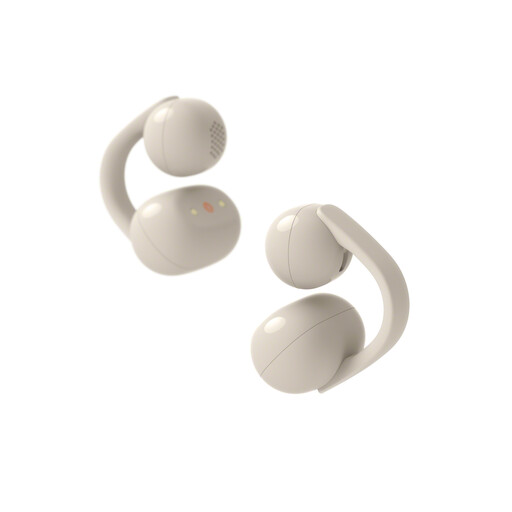
Why it suits this user: The open-ear clip-on design is aimed at people who want to stay aware of their surroundings while walking or doing light exercise.
You shouldn’t expect a sealed fit: the open-ear design is intended to keep ambient sound audible. The IPX4 rating is suitable for splashes, not submersion.
Bluetooth 5.3, microphone, USB-C charging case, up to 9 hours of play time according to the product specifications and IPX4 splash resistance.
We’ve put together a complete, up-to-date list of products that meet these strict selection criteria and the applicable European safety regulations.
Yes, as long as the model has a microphone and is compatible with your phone. Check whether the controls let you answer and end calls. For long meetings, it’s worth comparing battery life per charge, not just the total usage time with the case.
Lifespan depends on how they’re used and stored, and on the battery in wireless models. Wired earphones don’t have a built-in battery, but the cable and connector can wear out. Keep wireless earphones in their charging case, avoid moisture beyond their stated IP rating and use a suitable charger. The legal guarantee in the EU is at least two years for many products; check the terms for the specific product.
With wired models, running costs after purchase are generally limited to any replacements you might need. Wireless models need regular charging, and their batteries may become less powerful over time. You may already have a USB-C charging cable at home, so there’s no need to buy a separate charger. Compare not just the purchase price, but also the battery type, charging options and how often you expect to use them.
