If you want to work out chords yourself before bed, choose earphones that feel comfortable when you’re lying down. Earphones play music, but they don’t identify chords for you. To see chord names on a screen, you’ll need separate software; Chordify says its Live Chord Recognition feature requires a Premium Plus subscription. Also check that the connector is compatible with your device, and keep the volume and listening time limited, as advised by the World Health Organization.
Who are these earphones for?
Side sleeper who listens for a little while
You listen to one more song while lying down, and notice whether the housing or cable presses against your pillow. Check the fit in your usual sleeping position; a description of the sound won’t tell you whether the earphones feel comfortable for you.
Musician working out chords
You listen closely to the bass notes and other parts. Decide whether you want to work things out by ear or see chord names on a screen using separate software.
Listener in a noisy room
You want to make background noise less distracting without continually turning up the volume. A good seal can help, but it’s no reason to listen louder or for longer.
What should you look for when buying?
First decide whether you want to see chord names on a screen; you’ll need separate software for that. Then choose earphones based on fit, listening comfort and connectivity.
| What to consider |
What to check before buying |
Who is this important for? |
| Fit in bed |
Check the shape of the housing and the cable; try the supplied ear tips in your usual sleeping position. |
If I listen on my side, I don’t want the housing or cable pressing against my pillow. Around 36% of consumers say fit when listening in bed is their main concern when buying. |
| Sound for working out chords |
Listen to a familiar song on the same device at a moderate volume; decide whether you also need software to display chord names. |
When I work out chords by ear, I want to follow the different parts and distinguish between listening and having chord names displayed. Around 29% of consumers prioritise listening to work out chords for themselves. |
| Seal and listening time |
Check that the ear tips fit comfortably; keep the volume moderate and limit your listening time. |
In a noisy room, I want to make background noise less distracting without turning up the volume. Around 21% of consumers say a good seal and limiting sound exposure are their main concerns when buying. |
| Connectivity and accessories |
Check that your device has a compatible connection and find out which cables and adapters are included with the exact variant. |
If my phone doesn’t have a compatible port, I want to know in advance which connection and any adapter I’ll need. Around 14% of consumers focus mainly on device compatibility and what’s included in the box. |
Buying pitfalls
-
Confusing an IEM with chord-recognition software
Earphones play music, but they don’t automatically display chord names. Before buying, decide whether you want to listen and work things out yourself or use software on a screen as well.
Chordify says Live Chord Recognition requires a Premium Plus subscription; software is a separate choice.
-
Assuming isolation means safe listening
A good seal doesn’t change the fact that volume and listening time matter. Don’t use reduced background noise as a reason to listen louder or for longer.
Keep the volume moderate and limit your listening time.
-
Assuming every variant comes with the same accessories
The connection and what’s included in the box can vary between versions. For example, Meze says the USB-C-to-3.5mm adapter isn’t included with the ALBA S.
Check the exact variant, cable connector and which ear tips or adapter come with the offer.
Depending on your device and the bundle you choose, you may need a compatible adapter or cable.
Brands to compare
The features listed apply to the specific models below; they are not general claims about every product from each brand.
Sennheiser
The wired IE 200 is an option to compare if you’re looking at a compact fit, different ear tips and a detachable cable.
- Sennheiser lists an MMCX connection, a 3.5mm plug and silicone and foam ear tips in sizes S, M and L.
- The description of balanced, detailed sound is a brand claim; the specifications don’t say whether the earphones feel comfortable when you’re lying down.
Shure
The low-profile, wired SE215 is worth comparing if a snug fit is your main priority.
- Shure lists a detachable 3.5mm cable with MMCX for the SE215.
- Shure claims up to 37 dB of sound isolation for this model under suitable conditions; that doesn’t tell you what result you’ll get in your own ears.
Etymotic
The ER2SE is worth considering if you want to weigh up the manufacturer’s claims of a flat response and passive noise reduction.
- Etymotic specifies 35–42 dB of passive noise reduction for the ER2SE and lists a replaceable cable.
- These details don’t tell you whether the fit will feel comfortable when you’re lying on your ear.
Meze Audio
The wired ALBA is an option to compare for connectivity and what’s included in the box.
- Meze lists a 2-pin cable with a 3.5mm plug and a USB-C-to-3.5mm adapter for the ALBA.
- Meze specifically says the adapter isn’t included with the ALBA S, so check the exact variant.
MOONDROP
The CHU II offers a wired configuration to compare for fit and connectivity.
- The manufacturer lists a 3.5mm plug, a 0.78mm 2-pin connector and ear tips in three sizes.
- Descriptions of its tuning and detail don’t prove that the model recognises chords or feels comfortable against a pillow.
Joybuy products for listening to music
This selection features in-ear earphones for listening to music, including wired USB-C models and wireless options. They play music, but you’ll need separate software to see chord names on a screen.
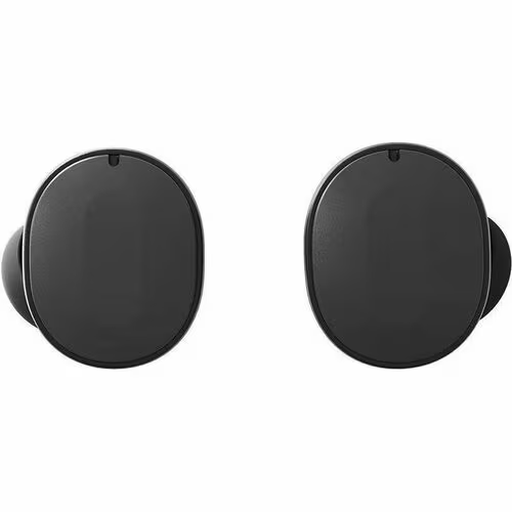 Image unavailable
Fairphone Fairbuds Black
For wireless listening; the Fairbuds are true wireless earphones and don’t identify chord names themselves.
Bluetooth; 11 mm drivers; equaliser via the Fairbuds app.
View at Joybuy
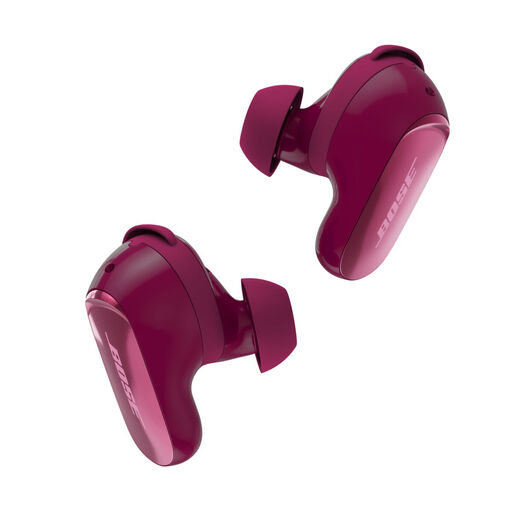 Image unavailable
Bose QuietComfort Ultra Earbuds (2nd Gen), Deep Plum
For listening to music with adjustable noise cancellation; the earphones don’t identify chords themselves.
The description lists nine ear tips, stability bands and adjustable noise cancellation.
View at Joybuy
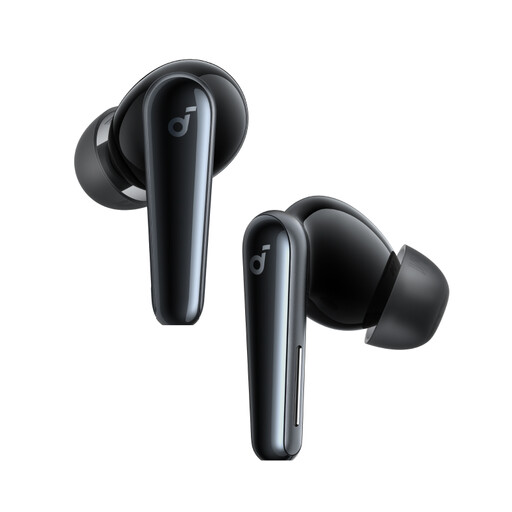 Image unavailable
Soundcore Liberty 5, black
For wireless listening; the earphones play music but don’t identify chords themselves.
9.2 mm drivers; noise cancellation; LDAC; USB-C charging case.
View at Joybuy
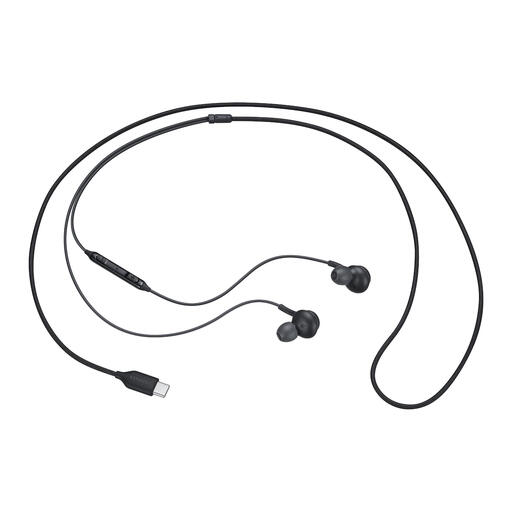 Image unavailable
Samsung EO-IC100, USB-C, black
For wired listening with a device that has a compatible USB-C connection; the earphones don’t display chord names themselves.
The description lists a built-in DAC and several sizes of ear tips. It describes the sound as balanced.
View at Joybuy
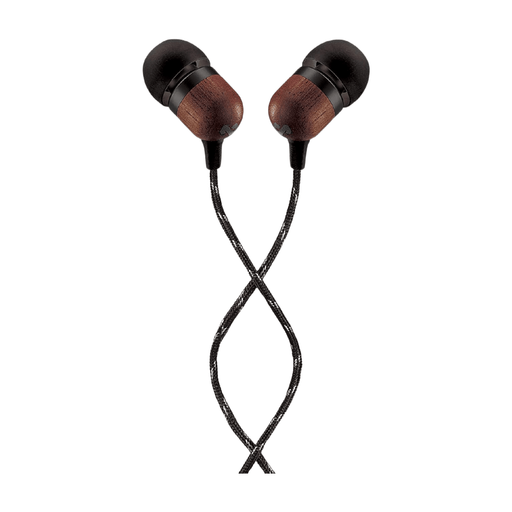 Image unavailable
House of Marley Smile Jamaica, USB-C, black
For wired listening with a device that has a compatible USB-C connection; the earphones don’t recognise chords themselves.
9.2 mm transducer; built-in microphone; the description lists a noise-isolating design.
View at Joybuy
Frequently asked questions
Can in-ear earphones identify the chords in a song?
No. Earphones play sound, but they don’t automatically display chord names. You’ll need separate software for that; Chordify says Live Chord Recognition requires a Premium Plus subscription.
How can I listen to music safely before bed?
Keep the volume moderate and limit your listening time. The World Health Organization points out that sound level, duration and frequency of exposure all matter; VeiligheidNL recommends a good fit so you’re less inclined to turn up the volume. This doesn’t guarantee a safe setting for every use.
What should I do if ear tips cause earache or itching?
Don’t keep using ear tips that cause pain or irritation. Thuisarts lists earphones as a possible cause of an outer ear infection; contact your GP if the symptoms persist.
Will a wired IEM connect directly to my phone?
That depends on your phone’s connection and the variant you choose. The Sennheiser IE 200 has a 3.5mm plug; Meze lists a USB-C adapter with the ALBA, but not with the ALBA S. Check both your device and what’s included with the exact model.
What is the cooling-off period for an online purchase in the Netherlands?
For online purchases from a business, you generally have 14 days to change your mind, according to the Dutch government. Exceptions for unsealed goods are subject to specific conditions relating to health or hygiene, so don’t assume that every opened IEM is automatically excluded. Check the information for the specific purchase.


