Who are these earbuds for?

Vowel listener

You play Dutch speech clips repeatedly and want to compare vowel sounds at a comfortable volume. The study of Dutch vowel contrasts published in Frontiers in Psychology focuses on the listening task, not on whether one particular pair of earbuds is better than another.

Collaborative table-mate

You switch between listening and talking while practising. Sony describes the LinkBuds Open as having an open ring design that keeps you connected to your surroundings. An ambient mode is another way to let in surrounding sounds.

Independent learner at a noisy table

You’re practising on your own for a while and want to reduce the impact of nearby conversations. Sealing ear tips can reduce surrounding noise. Check that they fit well and that you can easily switch off any noise-cancelling feature.

What should you look for when choosing?

Sealing in-ear earbuds with noise cancelling

A good fit if: conversations or other noise at the table are drowning out your clips and you can practise on your own.

Keep in mind: you may be less likely to hear your table-mates; noise cancelling is no proof that you’ll get better at distinguishing vowels.

In-ear earbuds with ambient mode

A good fit if: you switch between listening on your own and talking with others, and want to adjust your listening mode.

Keep in mind: features and controls vary by model, and surrounding noise may still be audible over your practice material.

Open earbuds

A good fit if: being able to talk to others at the shared table is your priority.

Keep in mind: an open design lets in surrounding noise and provides less isolation than in-ear earbuds.

Factor to consider What to look for Who is this important for?
Listening to speech clips Compare your own lesson clips at a comfortable volume, and check that you can play, pause and rewind them on your device. If I want to compare vowels repeatedly, I need to follow speech clearly and replay clips easily. Around 33% of consumers in this practice scenario put this first.
Staying available to talk Check whether ambient mode is easy to use, or consider an open design. When I’m practising with others at the table, I want to be able to hear a question without constantly taking out my earbuds. Around 27% of consumers prioritise staying connected with their table-mates.
Reducing noise at the table Consider how well the ear tips seal and how any noise-cancelling feature is controlled. If conversations are drowning out my clips, I want to listen in a quieter setting without turning the volume up unnecessarily. This is the top priority for around 20% of consumers.
Comfort during extended wear Check which ear tip sizes or fit supports are available, and read the returns policy before opening the packaging. When I want to practise for longer, I need a comfortable fit; the right fit is personal. Around 20% of consumers put wearing comfort first.

Common buying mistakes

  • Treating music claims as proof that earbuds are good for vowel practice

    A description of music playback doesn’t tell you how Dutch speech clips will sound to you. The study of vowel contrasts published in Frontiers in Psychology does not compare earbuds; the Consumentenbond covers speech as a separate part of its headphone tests.

    Where possible, listen to your own lesson clips and see whether you can follow the differences. Don’t base your choice solely on general claims about sound quality.

  • Choosing an open design and expecting it to block out noise at the table

    Sony describes the ring design of the LinkBuds Open as open, so you can stay connected to your surroundings. That’s different from blocking out surrounding noise.

    Choose an open design if being available to talk is your priority. Consider sealing ear tips if conversations are interfering with your practice clips.

  • Assuming you can always try in-ear earbuds extensively and return them

    ACM ConsuWijzer notes an exception to the cooling-off period for certain hygiene products that have been removed from their packaging. Don’t assume that every pack of earbuds is automatically covered by the same exception.

    Before opening the packaging, read the terms for the specific purchase and check what fit information is available.

Brands to consider

Sony

Sony offers both the sealing WF-1000XM5 earbuds and the open LinkBuds Open: two different options for practising at a shared table.

  • Sony says the WF-1000XM5 app includes settings such as multipoint and ambient mode.
  • Sony describes the LinkBuds Open as having an open ring design that lets in surrounding noise.
  • These product features don’t prove that either model is better for vowel practice. Check the fit and controls for the way you plan to use them.

JBL

According to JBL, the Tune Buds 2 combine an in-ear design with Adaptive Noise Cancelling and Smart Ambient.

  • These features offer different settings for noise isolation and surrounding sound.
  • JBL states a listening time of up to 48 hours when used with the case. That doesn’t tell you how long a single practice session will last or how clearly you’ll hear Dutch vowels.

Apple

Apple lists active noise cancellation, Transparency mode and five sizes of ear tips for the AirPods Pro 3.

  • Apple specifies up to 8 hours of listening on a single charge with ANC enabled.
  • Actual use may vary. Check that the features you want work with your device and find out which accessories are sold separately. These specifications aren’t a test of vowel listening.

soundcore

According to soundcore, the Liberty 4 NC is a sealing wireless option with ANC and adjustable EQ.

  • soundcore also lists multipoint and adjustable EQ, which may be useful if you switch between devices or want to change the settings.
  • A noise-reduction claim made by the brand is not an independent measurement of how well the earbuds handle conversations at the table, or proof of language-learning benefits.

Earbuds at Joybuy

This selection includes earbuds for replaying speech clips, with surrounding noise and compatibility with your lesson device in mind. Check each model to see which features and connections suit your practice setup.
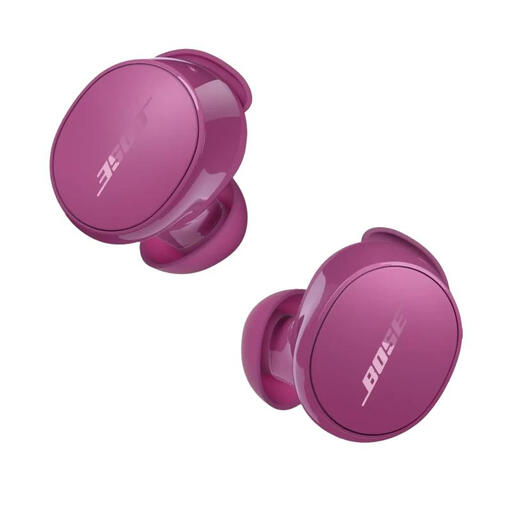
Bose QuietComfort Earbuds in Rosewood Mauve

Bose QuietComfort Earbuds, Rosewood Mauve

Aware mode may suit you if you want to hear your table-mates while listening.

The product information lists Quiet and Aware modes, as well as playback and pause controls.

View at Joybuy
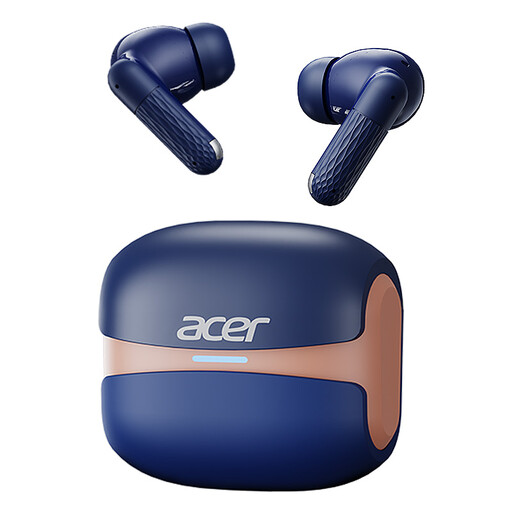
Acer wireless in-ear earbuds

Acer wireless in-ear earbuds

A wireless in-ear option for playing practice clips; check that it connects to your lesson device.

The title lists Bluetooth 5.4 and touch controls.

View at Joybuy

Samsung Galaxy Buds4 Pro, black

Samsung Galaxy Buds4 Pro, black

The active noise cancelling listed may be useful if background noise makes it difficult to listen on your own.

The product information lists ANC and an adjustable 9-band equaliser.

View at Joybuy
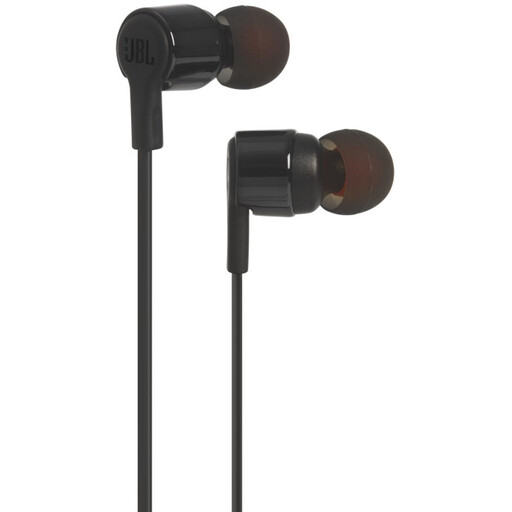
JBL Tune 210 wired in-ear earbuds, black

JBL Tune 210, black

A wired option if your lesson device has a compatible connection.

The title lists a 3.5 mm connection; the product information mentions several ear tip sizes and a built-in microphone.

View at Joybuy
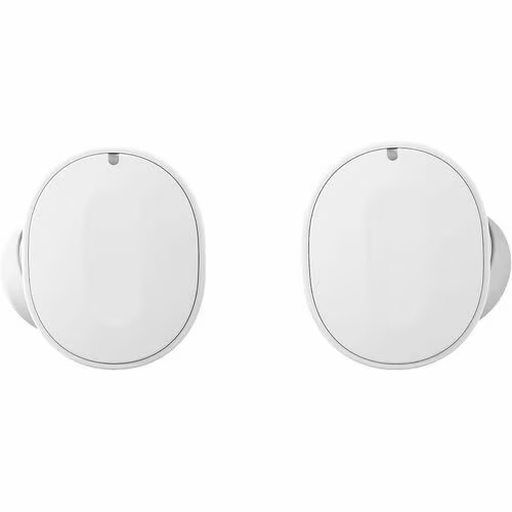
Fairphone Fairbuds, white

Fairphone Fairbuds, white

ANC may be useful when background noise makes it difficult to practise on your own; check that the earbuds connect to your devices.

The product information lists hybrid ANC, an adjustable equaliser and multipoint for two active devices.

View at Joybuy

Frequently asked questions

Do you need to switch on noise cancelling to hear Dutch vowels better?

No. The available research into Dutch vowel contrasts doesn’t show this. Noise cancelling may be an option if there’s noise at the table, but try the same clip at a comfortable volume with and without the feature.

How do you set up earbuds for practising and talking at the same table?

Pair them with the device that has your lesson clips, and check how to pause and replay them. Use ambient mode if your model has it; Sony specifically describes this feature and multipoint for the WF-1000XM5.

How can you keep longer listening sessions safe?

Keep the volume as low as is practical, and consider how long you listen for as well. The World Health Organization gives an average of 80 dB for up to 40 hours a week as an example; at higher sound levels, safe listening time decreases. This isn’t a fixed slider setting that produces the same sound level on every device.

What cooling-off period and guarantee apply to an online purchase in the Netherlands?

According to ACM ConsuWijzer, online purchases generally come with a statutory cooling-off period of up to 14 days after delivery. There is an exception for certain hygiene products that have been removed from their packaging, so check the terms for your specific purchase before opening it. Your statutory guarantee entitles you to a product that does what you can reasonably expect; there is no single fixed guarantee period in the Netherlands.

Which EU rules should you check for wireless earbuds?

Wireless radio equipment placed on the EU market is covered by the EU regulatory framework for radio equipment. Since 28 December 2024, the rules on a common charging port have also applied to earbuds within their scope, including rechargeable radio equipment that can be charged using a cable. Check the relevant conformity and charging information for the specific product; this guide does not confirm that a product complies with those rules.
