Who are these earbuds for?

Practising in a noisy room

You practise with vowel recordings while your housemates are around and want a good seal, so background noise doesn’t tempt you to turn the volume up. VeiligheidNL explains that basic earbuds that don’t seal well let more outside noise in. Research into Spanish learners of Dutch describes difficulties with vowel contrasts, but does not show that any particular earbuds improve practice results.

Practising while staying available

You want to switch between concentrating and interacting with your housemates while listening. Sony describes an ambient mode for the WF-C710N, while JBL refers to Smart Ambient for the Tune Buds 2. Compare how easy each model is for you to operate.

Practising with sensitive ears

You prioritise a comfortable fit for repeated sessions and want to know whether the ear tips feel comfortable. The Consumentenbond describes open-ear earbuds as models that don’t block the ear canal. Sound may leak out more easily as a result.

What should you look for?

Sealed in-ear earbuds, with ANC if you need it

Choose these when: voices or other household noise make it difficult to listen back, and you want to minimise sound leakage. First, check that the ear tips fit well.

The trade-off: a seal can feel uncomfortable during long sessions and makes it harder to hear your housemates. The Consumentenbond notes that ANC works well against low, constant sounds in particular; it is not guaranteed to filter out voices.

In-ear earbuds with an ambient mode

Choose these when: you want to respond to your housemates while practising. Try the ambient mode with your own practice material.

The trade-off: if more background sound comes through, subtle differences in a recording may be harder to hear. Controls and features vary by model.

Open-ear earbuds

Choose these when: blocking your ear canal feels uncomfortable and staying aware of your surroundings is a priority, for example in a quiet room.

The trade-off: according to the Consumentenbond, sound leaks out more easily, so your housemates may also hear your practice recording.

What to consider What should you check? Who is this important for?
Listening in peace Check the fit and compare ANC and ambient mode using the same speech recording at a moderate volume. If conversations at home interfere with your recording, you’ll want to listen in peace without turning up the volume. For around 36% of consumers, peace and minimal sound leakage come first.
Listening back to vowels Use the same clear vowel examples at the same moderate volume, and check that it’s easy to play and pause on your device. If you want to listen carefully for differences in sounds, it helps to use a recording you can compare consistently. For around 29% of consumers, listening back to vowel examples comes first.
Fit for repeated practice Check which sizes of ear tips are included and whether the earbuds feel comfortable during a typical session. If your ears are sensitive, you’ll want a fit that remains comfortable with repeated use. Comfort is the main concern for around 21% of consumers.
Switching modes and playback time Compare playback time per charge with the total time including the case. Check the controls and compatibility with your device. If you want to respond to your housemates during a session, easy switching and predictable session times are useful. Switching modes and playback time are the main considerations for around 14% of consumers.

Common buying mistakes

  • Thinking ANC will block out every conversation at home

    The Consumentenbond notes that noise cancellation can work well against low, constant sounds in particular. Voices aren’t automatically filtered out, so don’t turn up the volume to drown out the remaining household noise.

    Try well-fitting ear tips and compare the listening modes using the same speech recording at a moderate volume.

  • Confusing total battery life with the case and playback time per charge

    Battery life with a charging case doesn’t tell you how long the earbuds themselves last before they need recharging.

    Check the playback time per charge separately for the listening mode you want to use.

    A shorter playback time per charge may mean you have to interrupt a long practice session to recharge.

  • Choosing an open model without considering your housemates

    Open-ear earbuds don’t block the ear canal. The Consumentenbond warns that sound may leak out more easily as a result.

    At a moderate volume, check whether a housemate can hear your practice recording from their usual seat.

  • Assuming you can always return in-ear earbuds after trying them on

    Online purchases generally come with a statutory cooling-off period, but ACM ConsuWijzer notes an exception for hygiene products that have been removed from their packaging, where that exception applies.

    Before breaking any seal, read the returns information for the specific product.

    Breaking a seal may affect your cooling-off period if the hygiene exception applies to your purchase.

Brands to consider

Sony

The WF-C710N and LinkBuds Fit are Sony models worth comparing if you’re looking for noise cancellation and an ambient mode.

  • Sony describes adjustable ambient sound for the WF-C710N and fit-supporters for the LinkBuds Fit.
  • These features don’t show that either model makes Dutch vowels easier to distinguish.

JBL

According to JBL, the Tune Buds 2 are in-ear earbuds with Adaptive Noise Cancelling and Smart Ambient.

  • These listening features may be useful if you want to switch between a sealed fit and hearing background sounds.
  • Total playback time including the case isn’t the same as the length of a single uninterrupted session. Their effectiveness for vowel practice has not been assessed separately.

Apple

According to the Dutch product specifications, the AirPods Pro 3 combine active noise cancellation, Transparency mode and five sizes of ear tips.

  • Apple quotes up to 8 hours of listening per charge with noise cancellation, and up to 24 hours with the case.
  • These are quoted figures, not measured playback times during vowel practice. Check that the features you want work with your device.

Soundcore

According to Soundcore, the Liberty 4 NC is an in-ear option with ANC, multipoint connectivity and adjustable EQ.

  • You can compare the adjustable sound with a neutral setting when listening back.
  • EQ has not been shown to help you learn to distinguish vowels. Claims about noise reduction and battery life depend on how the earbuds are used.

Earbuds at Joybuy

These Joybuy product picks are intended for listening back to practice material wirelessly. Models and features vary, so check which controls and listening modes suit your practice routine.
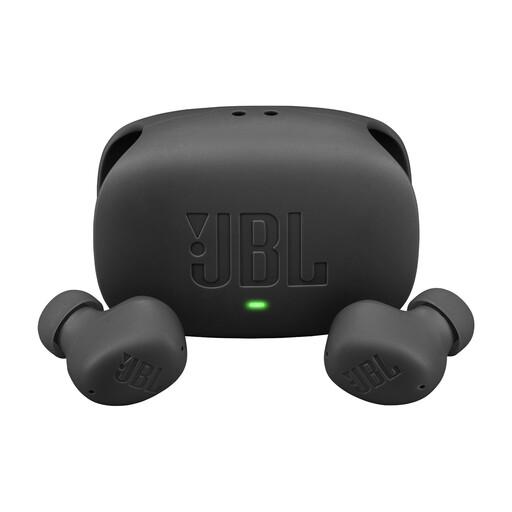
JBL Wave Buds 2 Black earbuds

JBL Wave Buds 2 Black

An option to compare if you want to switch between noise cancellation and ambient sound while practising.

The product description lists Active Noise Cancelling, Smart Ambient and 10 hours of playback per charge.

View at Joybuy
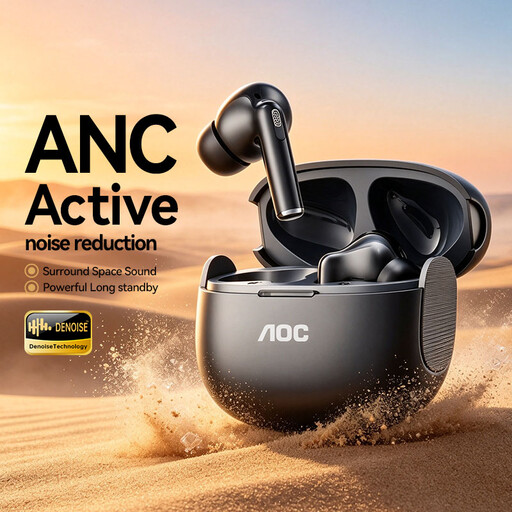
AOC ACT2615 wireless earbuds

AOC ACT2615

A wireless option to compare if you want to listen back to practice material on your own.

The product title lists Bluetooth 5.4, ANC and touch controls.

View at Joybuy
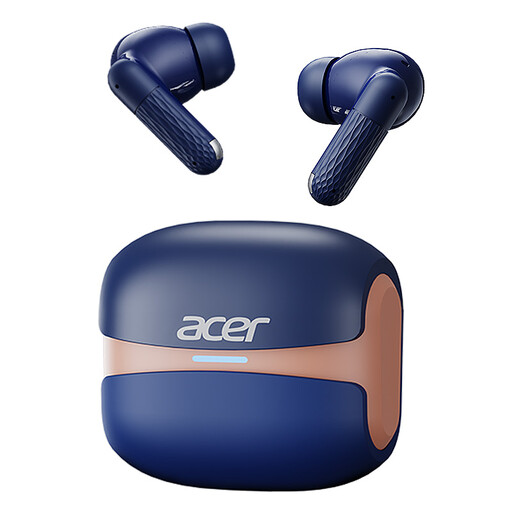
Acer OHR548 wireless in-ear earbuds

Acer OHR548

A wireless in-ear option to compare for listening back to short practice recordings.

The product title lists Bluetooth 5.4 and touch controls.

View at Joybuy

Samsung Galaxy Buds4 Pro Black earbuds

Samsung Galaxy Buds4 Pro Black

An in-ear option to compare if you want to use active noise cancellation when listening back.

The product title lists Active Noise Cancelling.

View at Joybuy
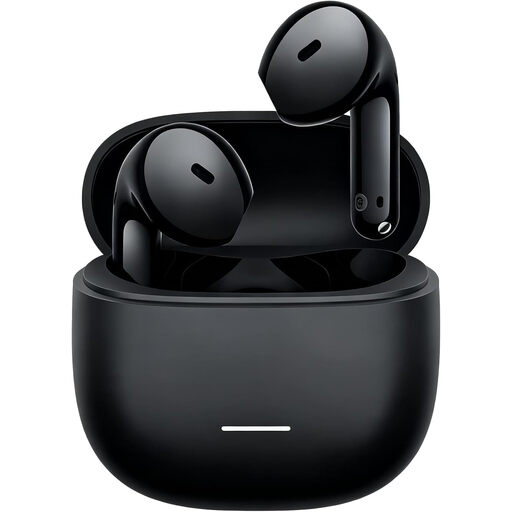
REDMI Buds 8 Active Black earbuds

REDMI Buds 8 Active Black

A wireless option to compare if you mainly want to play practice material repeatedly.

The product description lists Bluetooth 5.4 and up to 7 hours of playback per charge.

View at Joybuy

Frequently asked questions

Does noise cancellation help you pronounce Dutch vowels better?

This has not been established for these earbuds. Research into Spanish learners of Dutch describes difficulties with vowel contrasts, but does not test earbuds as a learning aid. You could use ANC to reduce background noise, then assess your pronunciation separately.

How can I use earbuds safely during repeated listening sessions?

Start at a low volume and don’t turn it up to drown out household noise. According to VeiligheidNL, the risk from loud sounds depends on both the volume and how long you listen.

What should I check when fitting and connecting my earbuds?

Connect the earbuds to the device you use for practice and try the supplied ear tips without forcing them into your ears. Check the manual to see which app features and listening modes work with your device.

Can I always return in-ear earbuds after trying them?

Don’t assume so. For online purchases, ACM ConsuWijzer states that you have 14 days from delivery to change your mind. It also notes an exception for hygiene products removed from their packaging, where that exception applies. Before opening the product, check the seller’s information for that specific item.

What product regulations apply to wireless earbuds sold in the Netherlands?

According to the Rijksinspectie Digitale Infrastructuur, radio equipment sold in the Netherlands must meet the applicable European requirements and carry a CE mark. Check the product information. A CE mark alone says nothing about fit, sound quality or learning results.
