
Story listener on a noisy train
Wants to follow spoken content at a comfortable volume and can wear sealing ear tips. The World Health Organization recommends well-fitting, noise-cancelling headphones in noisy situations.


For listening to short stories on a noisy train, well-fitting in-ear headphones with noise cancelling are a sensible first choice if clear speech is your priority: the World Health Organization recommends well-fitting, noise-cancelling headphones to help reduce the tendency to turn up the volume. If you want to hear announcements or find sealing ear tips uncomfortable, prioritise a more open fit or an easily accessible ambient mode; NS travel notifications can also help you keep up with changes to your journey. Compare listening time per charge in the mode you use, rather than just the total time including the case.
Wants to follow spoken content at a comfortable volume and can wear sealing ear tips. The World Health Organization recommends well-fitting, noise-cancelling headphones in noisy situations.
Wants to be able to pause a story quickly or let in ambient sound, while also keeping an eye on journey updates. NS describes notifications for changes to a journey, such as delays or departing from a different platform.
Prioritises fit and pressure in the ear canal over maximum isolation. So compare in-ear headphones with ear tips against more open designs.
Start with what matters most to you on a train journey: clear speech, awareness of your surroundings, comfort, uninterrupted listening time or cost.
Choose this option if: train noise or conversations make it difficult to follow a short story and you can wear a well-fitting ear tip.
Bear in mind: the fit is personal and ambient sounds may be less noticeable; noise cancelling is no substitute for actively checking travel information.
Choose this option if: ear tips feel pressurising or you want to stay aware of your surroundings.
Bear in mind: there is less passive isolation, so the narrator may be harder to hear on a noisy train.
| What to consider | What should you check? | Who is this important for? |
|---|---|---|
| Clarity | Try the available ear tip sizes and see if you can follow the story comfortably at a low volume. | If I want to keep following spoken content on a noisy train, I look for a good seal and noise cancelling. Around 28% of consumers rank clarity as their top priority. |
| Announcements and journey updates | Check whether you can pause quickly or switch to an ambient mode; set up NS travel notifications if needed. | If you want to hear an announcement quickly during your journey, easily accessible controls can help, but you should still actively check important information. Around 22% of consumers prioritise awareness of their surroundings. |
| Comfort | Compare the fit and available ear tip sizes; if they feel pressurising, try a more open design too. | If sealing ear tips feel uncomfortable, comfort matters more to me than maximum isolation. Around 22% of consumers put comfort at the top of their list when choosing. |
| Listening time per charge | Compare listening time per charge in the audio mode you use, rather than just the total time with the case. | For a journey without a charging break, I want to know whether one charge will last long enough. Around 17% of consumers put uninterrupted listening time first. |
| Purchase and running costs | Compare the features you need and check what any paid extended warranty adds. | If I’m mainly concerned about the overall cost, I want to pay for features I’ll actually use when listening to stories. Around 11% of consumers rank cost as their top priority. |
The case charges the earbuds when you’re not using them. So the total time with the case doesn’t tell you how long you can listen continuously.
Compare the stated listening time per charge in the mode you plan to use on your journey.
A sealing ear tip only helps if it fits well and stays comfortable; a more open design involves a different trade-off when it comes to train noise.
First decide whether in-ear tips feel comfortable, then try the available sizes before making your choice.
An additional warranty package is not the same as your statutory rights. The Dutch Government distinguishes between the statutory guarantee and any extra cover offered.
Check exactly what rights the extra package adds, and keep your purchase details to hand when contacting the seller.
A paid package may involve extra costs, so consider what cover it actually adds.
The WF-1000XM5 is a sealed in-ear model with noise cancelling and an ambient mode.
AirPods Pro 3 use in-ear tips, while AirPods 4 with Active Noise Cancellation have a more open design.
The Tune Beam 2 is a sealed in-ear model with Adaptive Noise Cancelling and Smart Ambient.
Galaxy Buds3 FE combine noise cancelling with on-earbud controls; pairing with Galaxy devices may be useful.
This product selection is aimed at listening to stories on the train, with a focus on noise cancelling and the option to let in ambient sound.
 No image available
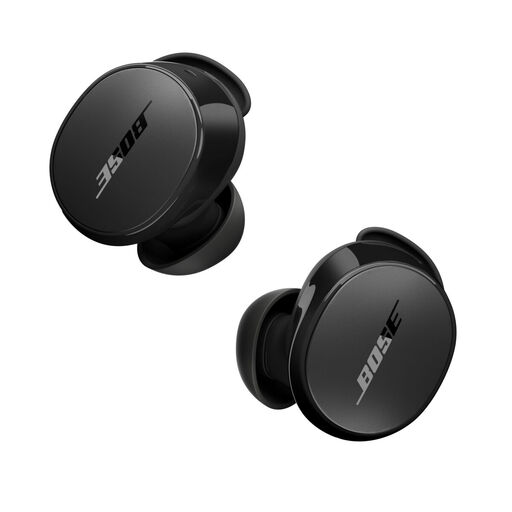
An option for anyone who wants to reduce train noise while still being able to let in ambient sound during the journey; check that the fit stays comfortable.
 No image available
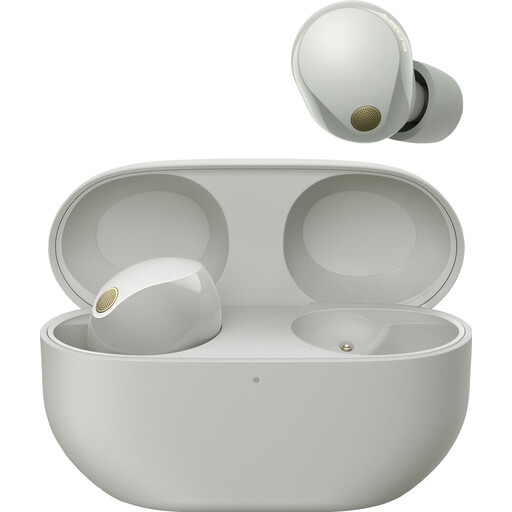
Sony specifies up to 8 hours of playback with noise cancelling on, and lists multipoint and an ambient mode. Check that the sealed fit suits your ears.
 No image available
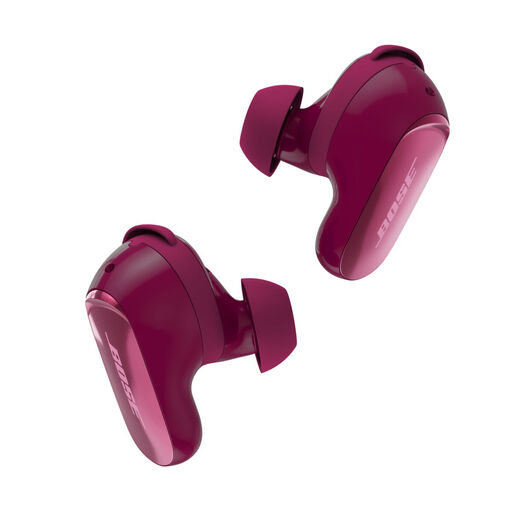
This version is designed for noise cancelling, with a mode that lets in ambient sound. First check whether sealing ear tips feel comfortable.
 No image available
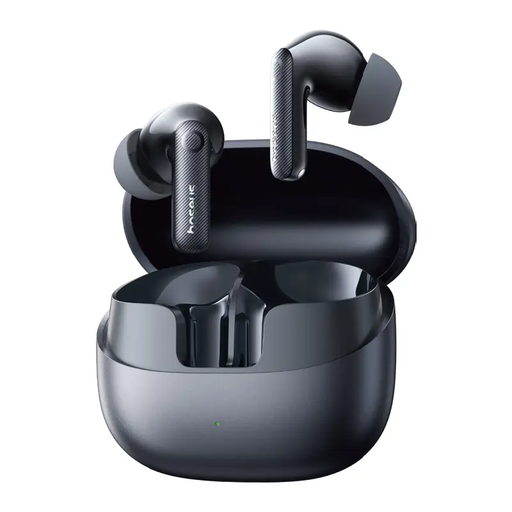
A sealed in-ear option for anyone who wants to follow spoken audio on a train journey; check the fit and the controls for the sound modes.
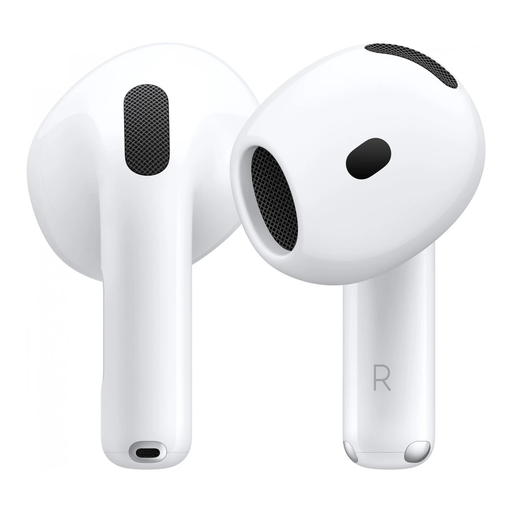 No image available
Apple describes AirPods 4 with Active Noise Cancellation as having a more open design than AirPods Pro; compare the fit and the level of isolation you want.
Start with a good fit and a low volume. The World Health Organization recommends considering well-fitting, noise-cancelling headphones in noisy environments to reduce the need to turn the volume up; also pay attention to your listening volume and duration.
No. Think of it as a way to let in ambient sound, not a guarantee that you’ll notice every announcement. Pause your audio when an important announcement is due; you can also set up travel notifications in the NS app for departures, connections and changes.
No. If the total time includes the charging case, you’ll need to recharge the earbuds in the case along the way. So compare listening time per charge in the sound mode you use.
For in-ear models, try the available tip sizes and check the fit again if the seal or comfort isn’t right. Clean the earbuds and charging contacts as instructed in the model-specific manual; contact the seller if there’s a fault.
NS advises passengers to be considerate of others and to use earbuds or headphones for their own audio; this is passenger guidance, not a legal requirement to wear them as established here. When buying online from a business, you generally have a 14-day cooling-off period, subject to legal exceptions, according to the Dutch Government. The statutory guarantee is separate from any additional warranty offered; if a product is faulty, the seller is your point of contact.