If you mainly want to listen quietly without disturbing your roommate, well-fitting, sealed in-ear earbuds are a sensible starting point: according to the Consumers’ Association, a well-fitting ear tip can help reduce sound leakage. A sleep-focused model is better suited to listening on your side, while open-ear earbuds are designed for people who want to remain aware of their surroundings; these options are not interchangeable. Compare playback time in the mode you use, and check the fit and sound leakage in your own listening environment.
Who are these earbuds for?
Listener in a shared bedroom
You listen to spoken stories while someone else is resting in the same room. Fit, keeping the volume under control and minimising sound leakage are all important; the Consumers’ Association discusses why a well-fitting ear tip matters.
Side sleeper listening to a story
You want to stream audio over Bluetooth while lying on a pillow. Compare the design and playback time in the specific listening mode; Soundcore describes the Sleep A20 as a model for side sleepers.
Listener who wants to stay approachable
You want to hear the story while still noticing sounds around you or hearing your roommate. Sony describes the LinkBuds Clip as open-ear earbuds; check separately whether the audio is clear enough for you and not too easy for someone else to hear.
What should you look for when choosing?
Sealed in-ear earbuds
Choose this option if: you want to follow spoken audio at a low volume and limit how much sound reaches your roommate.
The trade-off: the earbuds sit in your ear canal; a general comfort specification won’t tell you whether they’ll feel comfortable on a pillow.
Bluetooth sleep earbuds
Choose this option if: you actually listen on your side and want a model designed for that use.
The trade-off: the fit and type of ear tip affect the balance between comfort and isolation; check playback time in Bluetooth mode.
Open-ear earbuds
Choose this option if: you want to keep hearing sounds in the room while listening.
The trade-off: an open design doesn’t seal off your ear, so also check whether your roommate can hear the audio.
| What to consider |
What should you check? |
Who should pay particular attention? |
| Sound leakage |
Check the fit and listen at the volume and distance you use at home. The Consumers’ Association points out that a well-fitting ear tip is less likely to let sound leak out. |
If I listen while someone next to me is resting, I want to hear the story without disturbing them unnecessarily. Around 36% of consumers prioritise low sound leakage for this reason. |
| Speech at low volume |
Try to see whether the recording remains clear without you automatically turning up the volume. The WHO recommends well-fitting headphones and notes that noise cancellation may help reduce the need to raise the volume in a noisy environment. |
When background noise drowns out the spoken commentary, I want to follow the words without turning it up. Around 29% of consumers prioritise clear speech at a controlled volume. |
| Comfort on a pillow |
Try the earbuds in the listening position you plan to use. For the Sleep A20, Soundcore distinguishes between sealing and breathable ear tips; according to the brand, they don’t offer the same level of noise blocking. |
If I listen on my side, I want the earbud to stay comfortable when my ear is resting on a pillow. Around 21% of consumers give top priority to comfort when lying on their side. |
| Hearing your surroundings |
Check whether an open design suits how much of the room you want to hear, and also test how much audio leaks out. For the LinkBuds Clip, Sony mentions a mode designed to reduce sound leakage in quiet spaces. |
If I want to stay approachable, I want to be able to hear my roommate without turning the audio up unnecessarily. Around 14% of consumers prioritise awareness of their surroundings. |
Common buying mistakes
-
Counting playback time with the charging case as one continuous listening session
The stated playback time including the case isn’t the same as listening without interruption: you can’t use the earbuds while they’re charging in the case.
Compare playback time per charge in the Bluetooth and noise-cancelling modes you actually use.
-
Confusing noise cancellation with keeping sound from your roommate
Noise cancellation reduces sound for the wearer. It doesn’t mean that someone next to you won’t hear the audio; a well-fitting sealed design and an open-ear design are two different things.
Test for sound leakage at your usual listening volume and at the distance where your roommate sits or sleeps.
-
Assuming an extended warranty limits your statutory rights
According to the Dutch government, there is no fixed time limit for statutory guarantees in the Netherlands. An additional guarantee is only worthwhile if it gives you extra rights.
Compare the terms of a paid guarantee with your existing rights against the retailer.
Brands to consider
Sony
Sony offers both sealed in-ear earbuds, such as the WF-C710N, and the separate open-ear option of the LinkBuds Clip. They’re designed for different uses.
- Sony specifies up to 8.5 hours of music playback for the WF-C710N with noise cancellation on, and 12 hours with it off.
- Sony mentions a mode for the LinkBuds Clip that reduces sound leakage in quiet spaces; this doesn’t establish what a roommate will hear.
Soundcore
According to Soundcore, the Sleep A20 is designed for side sleepers and supports Bluetooth streaming.
- Soundcore specifies up to 10 hours in Bluetooth mode and 14 hours in sleep mode.
- Soundcore distinguishes between sealing and breathable ear tips; the stated usage modes and the type of ear tip you choose aren’t interchangeable.
JBL
The Tune Buds 2 is a sealed alternative with adaptive noise cancellation and Smart Ambient, as specified by JBL.
- JBL states up to 48 hours of playback time.
- That total isn’t directly comparable with the playback time of the earbuds alone; the product claim also doesn’t establish how clearly museum commentary can be heard.
Apple
AirPods Pro 3 are an in-ear option with active noise cancellation and five sizes of silicone ear tips included.
- Apple specifies up to 8 hours of listening per charge with noise cancellation on, compared with up to 24 hours including the case.
- This playback time alone says nothing about comfort on a pillow or whether a roommate can hear them.
Earbuds at Joybuy
This selection includes wireless in-ear earbuds for audio playback. Check each model’s features, fit and playback time to see whether they suit listening in a shared bedroom.
 No image available
Acer OHR548 wireless in-ear earbuds
An in-ear option for wireless audio listening.
Bluetooth 5.4; up to 7 hours of playback per earbud; charging case with a Type-C connection.
View at Joybuy
 No image available
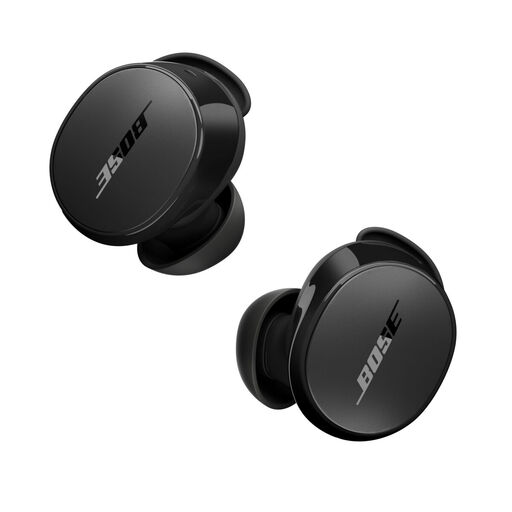
Bose QuietComfort Earbuds Black
An in-ear option for spoken audio, with active noise cancellation and an Aware mode.
Fit kit with three ear tip sizes; up to 8.5 hours of battery life; modes adjustable via the Bose app.
View at Joybuy
 No image available
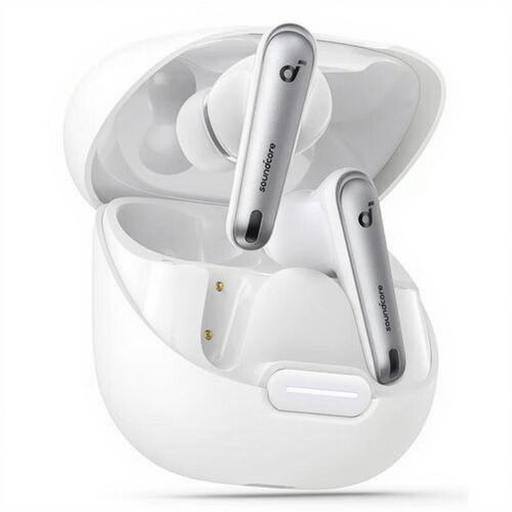
Soundcore Liberty 4 NC White
An in-ear option for wireless audio with noise cancellation.
Up to 10 hours of playback per charge; six microphones; extra ear tips included.
View at Joybuy
 No image available
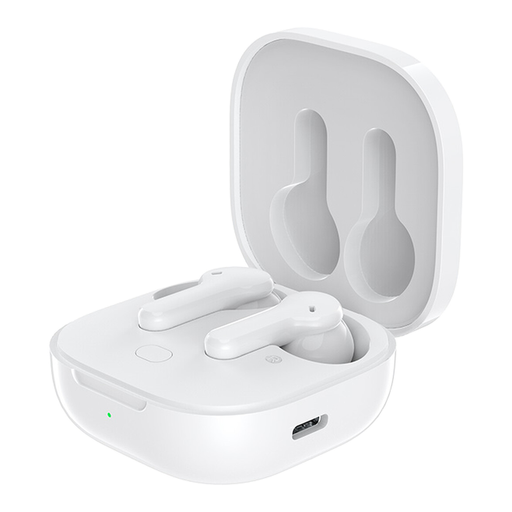
QCY QT13 White
An in-ear option for listening to podcasts and streamed audio.
Built-in microphone.
View at Joybuy
 No image available
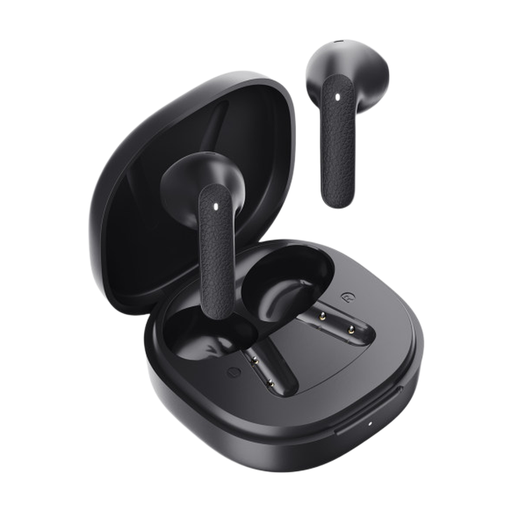
QCY Air Grey
An in-ear option for wireless listening over Bluetooth.
Up to 7 hours of playback per earbud; IPX4 water resistance; compatible with Android and iOS.
View at Joybuy
Frequently asked questions
Do I need to switch on noise cancellation to avoid disturbing my roommate?
No. Noise cancellation reduces background noise for the wearer, but doesn’t automatically stop audio from leaking out. A well-fitting sealed design can help reduce sound leakage; test this at a low volume in the room where you listen.
How long will the battery last when listening to a museum story over Bluetooth?
Compare playback time per charge in the mode you use, rather than looking only at the total including the case. Soundcore specifies up to 10 hours in Bluetooth mode and 14 hours in sleep mode for the Sleep A20; Sony specifies up to 8.5 hours of music with noise cancellation on for the WF-C710N. These are manufacturers’ stated maximum figures.
How can I listen for longer while keeping the volume under control?
The World Health Organization recommends keeping the volume low, taking regular breaks and using well-fitting headphones. As a guideline, it suggests an average of 80 dB for up to 40 hours per week; the recommended listening time decreases as the sound level rises. The volume setting on your phone doesn’t automatically measure the sound level in your ear.
What returns period and guarantee apply to an online purchase in the Netherlands?
For online purchases from a business, you’re generally entitled to a 14-day cooling-off period after delivery, but the Dutch Authority for Consumers and Markets lists an exception for hygiene products that have been removed from their packaging. Before opening the product, check the seal and product information to see what applies in your case. According to the Dutch government, there is no fixed time limit for statutory guarantees; if a product is faulty, the retailer is your point of contact.


