
Listeners who are easily distracted
If noise in your bedroom distracts you, a well-fitting, snug ear tip can help keep some of it out. The Consumentenbond says this is one reason to consider in-ear earbuds with silicone tips.


For an audio course in a shared bedroom, a snug-fitting pair of in-ear earbuds can help if room noise is your main distraction. If you want to stay aware of your roommate, a less isolating design may be a better choice. If you listen lying on your side, pay extra attention to the profile and fit; a specialist sleep model may have limitations when it comes to app audio or calls. Check playback time per charge and keep the volume moderate rather than turning it up to drown out background noise.
If noise in your bedroom distracts you, a well-fitting, snug ear tip can help keep some of it out. The Consumentenbond says this is one reason to consider in-ear earbuds with silicone tips.
If you follow the lesson from bed, pressure from an earbud against your pillow can make a big difference to comfort. Soundcore describes the Sleep A20 as a model for side sleepers, although fit is a personal matter.
If you want to notice a question or warning during your lesson, consider how much outside noise the design lets in and whether it has an ambient sound mode. The Consumentenbond discusses noise isolation as a factor when choosing earbuds.
First, decide what matters most to you: clear speech, listening on your side, staying in touch with your roommate or using your earbuds without recharging.
| What to consider | What should you look for? | Who is this important for? |
|---|---|---|
| Speech clarity | Check the fit and the available ear tip sizes. For ANC, also check the controls and battery life with noise cancelling on. | If I want to follow spoken lessons without constantly turning up the volume, I focus on noise isolation and speech clarity. Around 36% of consumers prioritise speech clarity when buying. |
| Listening on your side | Check the profile and the sizes included. Make sure audio from your course app plays through the earbuds in the mode you plan to use. | If I lie on my side during lessons, I want to know whether the earbuds feel comfortable under a pillow and whether my app audio works. Around 29% of consumers prioritise comfort when lying on their side. |
| Staying in touch with your roommate | Compare a less isolating design with a model that has an ambient sound mode. Don’t assume ANC will completely block out conversations. | If I want to hear a question from my roommate, I prioritise a design that lets more room noise through. Around 21% of consumers consider staying in touch their main priority. |
| Listening without recharging | Check the connector and device compatibility. For wireless models, compare playback time per charge, not just the total time including the case. | If I want to start a lesson without charging first or pairing via Bluetooth, I look at wired options and the connector on my device. Around 14% of consumers prioritise the convenience of using wired earbuds straight away. |
A figure that includes the charging case is not the same as continuous playback time from the earbuds. Having to recharge part-way through could interrupt a lesson.
Compare playback time per charge in the mode you’ll use for your course. Sony lists up to 8.5 hours with noise cancelling on and 12 hours with it off for the WF-C710N.
On the Soundcore Sleep A20, streamed audio from an app doesn’t play through the earbuds in sleep mode. In a shared room, the audio may therefore come from your phone instead.
To listen to a course in an app, switch to Bluetooth mode, as Soundcore advises.
A snug fit can also make it harder to hear your roommate. The Consumentenbond says active noise cancelling is particularly useful for low, constant hums; it won’t necessarily block out voices.
Consider the fit, ambient sound mode and which sounds in the room you need to hear together.
A manufacturer’s, retailer’s or extended warranty is not the same as your statutory protection if a product is faulty.
The Dutch government advises contacting the retailer in the first instance if there’s a fault. Check exactly what additional rights an extra warranty or cover provides.
The WF-C710N is a wireless option with noise cancelling, an ambient sound mode and multipoint connectivity, making it a good choice if you switch between devices.
The Sleep A20 is a specialist option for anyone who wants to follow a course while lying on their side.
The Tune Beam 2 offers ANC and features that let you hear outside noise, which can be useful if you sometimes talk to your roommate while studying.
The EarPods (USB-C) are a wired option for a lesson device that meets Apple’s compatibility requirements.
This selection includes open-ear and noise-isolating wireless earbuds, a model for side sleepers and wired USB-C earbuds, to suit different ways of following a course in a shared bedroom.
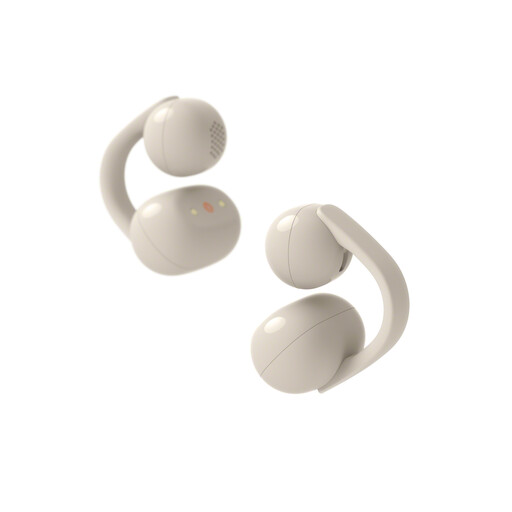 No image available
The open-ear design lets in outside noise, so it may suit you if you want to stay aware of your roommate.
The product description mentions Bluetooth audio and a Voice Focus mode for things such as audiobooks and podcasts. The open design also lets in sounds that could distract you from your course.
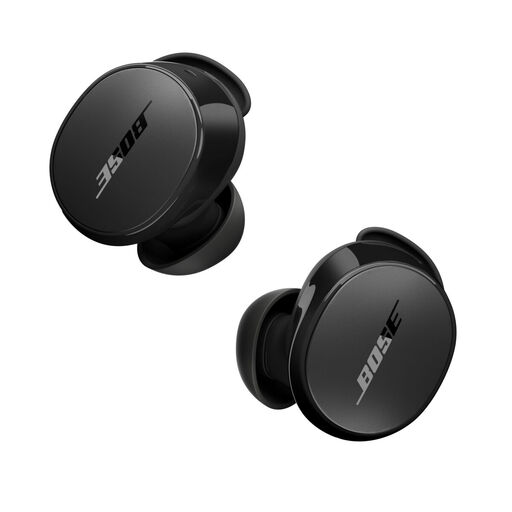 No image available
Worth considering if noise isolation and active noise cancelling matter to you, but you’d also like a mode that lets in outside sounds.
The product description lists up to 8.5 hours of playback per charge, active noise cancelling and an Aware mode. Noise cancelling doesn’t guarantee that conversations in the room will disappear.
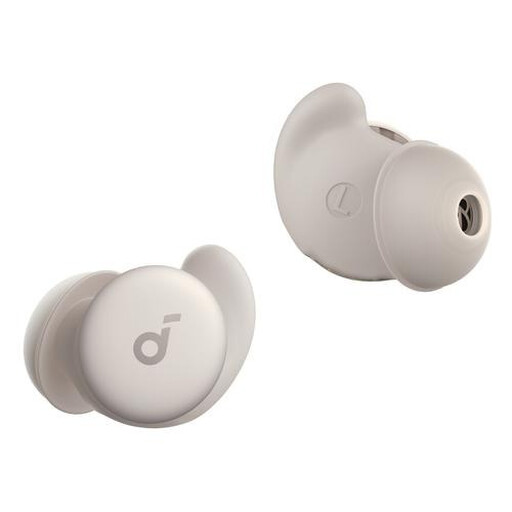 No image available
Soundcore says this model is designed for side sleepers. Consider it if you follow your course lying down and find the fit comfortable.
Soundcore lists up to 10 hours of playback per charge in Bluetooth mode. To play audio from a course app, the model needs to be in Bluetooth mode; streamed audio won’t play through the earbuds in sleep mode.
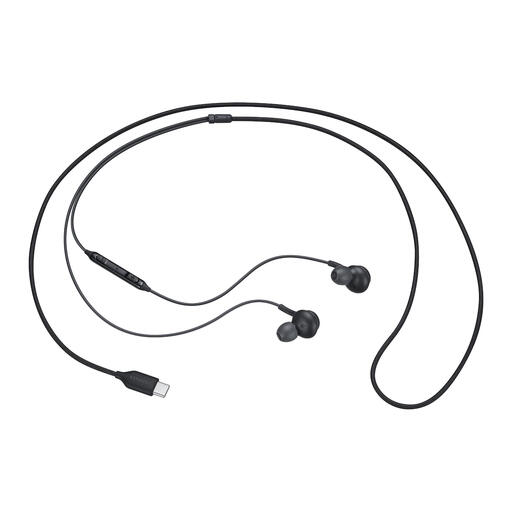 No image available
A wired option if you’d rather not pair via Bluetooth or charge your earbuds.
The product description lists USB-C audio, a built-in DAC, different ear tip sizes and in-line controls. Your lesson device needs to have a compatible USB-C port.
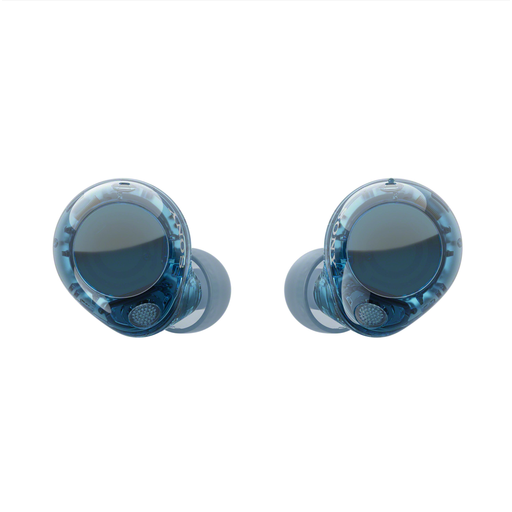 No image available
A wireless option to consider if you want noise isolation alongside a feature that lets in outside sounds.
Sony lists noise cancelling, an ambient sound mode and multipoint connectivity. Playback time is listed as up to 8.5 hours per charge with noise cancelling on and up to 12 hours with it off; ANC won’t necessarily block out conversations.
Not necessarily enough to make conversations inaudible. The Consumentenbond says ANC is particularly effective against low, constant hums. You could also try a snug-fitting ear tip and keep the listening volume moderate.
Soundcore says you can in Bluetooth mode. In sleep mode, streamed audio from your phone won’t play through these earbuds, so switch to Bluetooth mode before starting your lesson.
Follow the instructions for your model. For the WF and WI series mentioned, Sony recommends regularly removing dirt from the earbuds and charging contacts, and wiping moisture from the charging contacts. The recommended way to clean the tips may vary by model.
According to the Dutch government, you’re entitled to a product that meets the required standards, but there’s no fixed statutory warranty period in the Netherlands; if there’s a fault, contact the retailer. For many distance purchases from a business, you have 14 days to change your mind, although exceptions apply. Check the relevant terms before opening the packaging.
The European Commission describes the Radio Equipment Directive as the framework for radio equipment on the EU market. The CE mark is the manufacturer’s declaration that the product meets the applicable EU requirements; it is not, in itself, an independent quality assessment. It also doesn’t automatically confirm that an individual listing is compliant.