What should you look for when choosing?
Start with fit and your listening environment. Then compare listening time per charge and the device features you actually need.
| What to consider |
What to look for when buying |
Who is this important for? |
| Clarity |
Compare the fit and noise isolation; if possible, listen to your own recording at a comfortable volume. |
If I want to follow contributions in an existing recording, I focus above all on a good fit and my listening environment. Around 36% of consumers say clarity is their main concern when buying. |
| Fit and listening time |
Compare in-ear and open designs, and check listening time per charge separately from the time provided by the case. |
For longer recordings, I want earbuds that stay comfortable and don’t need recharging midway through. Around 29% of consumers prioritise long-wearing comfort and listening time. |
| Background noise |
Compare noise cancellation and ambient mode with an open design; features vary by model. |
In a noisy place, I want to reduce distractions, but in a quiet room I might want to remain approachable. Around 21% of consumers prioritise concentration in noisy environments. |
| Switching between devices |
Check whether the exact model supports multipoint and whether it works with the devices you use. |
If I switch between a laptop and phone, for example, I want to know how easily the model works with both devices. Around 14% of consumers say switching between devices is their main concern when buying. |
Earbuds at Joybuy
This selection includes sealed in-ear models and open or clip-on earbuds for listening back to existing seminar recordings.
 No image available
Samsung Galaxy Buds4 Pro, black
These in-ear earbuds with Active Noise Cancellation are a good fit if you want more noise isolation when listening back. Stated listening time varies depending on whether noise cancellation is on or off.
Joybuy
 No image available
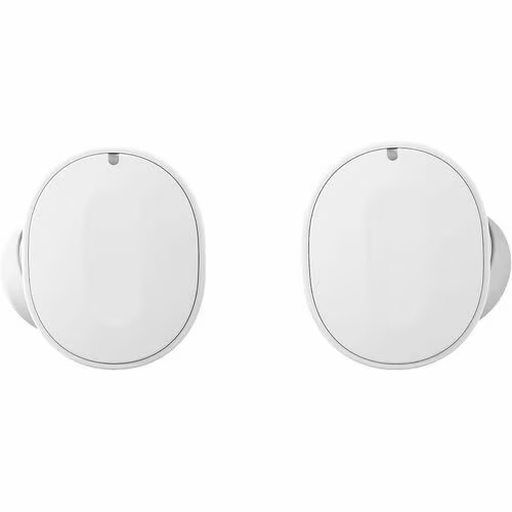
Fairphone Fairbuds White
An option to compare if you’re looking for a sealed fit; check that it stays comfortable during a longer recording and that its features suit your devices.
Joybuy
 No image available
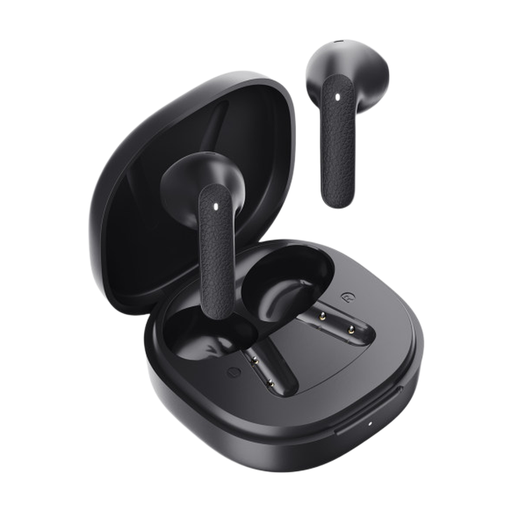
QCY Air-Grey
An option to consider for longer listening sessions; compare listening time per charge with the length of your recording and check compatibility with your playback device.
Joybuy
 No image available
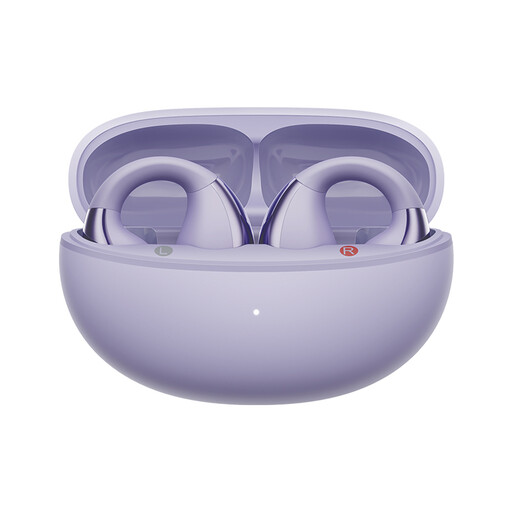
QCY Crossky C30-Purple
The open design suits anyone who wants to stay aware of surrounding sounds while listening. It doesn’t offer the same noise isolation as a sealed in-ear design.
Joybuy
 No image available
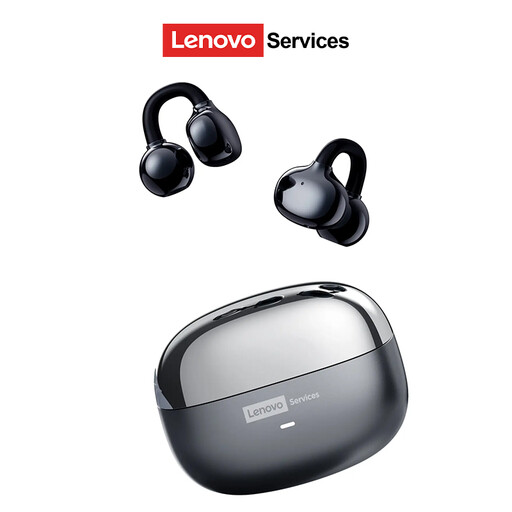
Lenovo Services LE302 Gunmetal Gray Clip-on Wireless Earbuds
The open, clip-on design is an option if you want to stay aware of surrounding sounds. Check whether this design provides the level of noise isolation you need to follow your recording.
Joybuy
Frequently asked questions
Can earbuds’ microphones reliably record a full seminar discussion?
Don’t assume they can based on a claim about call quality. HKU University of the Arts Utrecht describes a test using one spoken sentence in an identical room; it doesn’t show how several speakers will be recorded during a seminar. Assess recording and playback separately, and first check that the existing recording contains usable speech.
How should you compare battery life for a long recording?
Compare listening time per charge with the length of your session. The Consumers’ Association warns that total battery life may also include recharges from the case while you’re not using the earbuds themselves.
How should you use and care for earbuds if you wear them regularly?
Keep the volume down and take listening breaks. The WHO recommends, among other things, using well-fitting headphones to help you avoid turning up the volume in noisy environments. Follow the instructions for your chosen model when cleaning it; for example, Sony recommends keeping the LinkBuds Open’s charging contacts dry and clean.
What are your rights if earbuds bought online don’t work properly?
According to the Government of the Netherlands, you’re entitled to a product that works properly and can contact the seller if there’s a problem. The Netherlands Authority for Consumers and Markets says that online purchases usually come with a cooling-off period of up to 14 days after delivery. This period is separate from your rights if a product doesn’t work properly.
Can you record a Dutch study group yourself or share the recording?
It depends on the purpose, whether it’s for personal use, who is involved and the course rules. The Dutch Data Protection Authority distinguishes between purely personal or household use and processing that requires a lawful basis under the GDPR; consent is one possible lawful basis. Before recording or sharing, ask about the rules of the course concerned, and don’t assume that access to a recording means you have permission to share it more widely.


