
Listeners who want to hear speech clearly
You want to follow recorded lectures, even when the speaker talks quietly. The Dutch Consumers’ Association (Consumentenbond) assesses speech recordings separately when testing earbuds.


Start with speech clarity, fit and how much sound might carry to other study areas. Sealed in-ear earbuds generally limit sound leakage more effectively. Wired earbuds avoid charging breaks if the connection is compatible, while open-ear models let you hear your surroundings but should be checked for sound leakage in a quiet room. Active noise cancellation is most relevant when there is genuinely distracting background noise; the Dutch Consumers’ Association (Consumentenbond) treats speech as a separate consideration when assessing earbuds.
You want to follow recorded lectures, even when the speaker talks quietly. The Dutch Consumers’ Association (Consumentenbond) assesses speech recordings separately when testing earbuds.
You wear earbuds for extended periods, so comfort matters—as does how much sound other people can hear. Sealed and open designs involve different trade-offs.
You want to play a recording without stopping to use a charging case. Check the battery life of each earbud, or make sure a wired connection is compatible with your device.
Choose this option: if you want to listen wirelessly and keep sound from carrying to nearby study areas.
The trade-off: the eartips sit in your ear canal and may feel less comfortable over long periods; check the battery life in the mode you use.
Choose this option: if you want to avoid charging breaks and the connection is compatible with your playback device.
The trade-off: the cable limits your freedom of movement; at a normal listening volume, check whether the design keeps enough sound in.
Choose this option: if you want to hear your surroundings or find sealed eartips uncomfortable.
The trade-off: according to the Dutch Consumers’ Association (Consumentenbond), open designs let more sound escape. Check in the library whether someone sitting next to you can hear your recording.
For this listening situation, compare speech clarity, comfort and sound leakage first. Then consider whether battery life, the connection or an ambient sound mode suits the way you study.
| What to consider | What to check when choosing | Who this matters to |
|---|---|---|
| Speech clarity | Listen to a recording from one of your lectures at a moderate volume, and assess speech—not just music. | I want to follow spoken explanations before comparing extra features. Around 34% of consumers rank speech clarity as their top priority when buying. |
| Fit and sound leakage | Try different eartips and, at a normal volume, check whether someone sitting next to you can hear the recording. | I want comfortable earbuds that cause as little disturbance as possible during long study sessions. Around 33% of consumers prioritise comfort and discretion. |
| Uninterrupted playback | Compare the battery life of each earbud in your chosen mode with the length of your recordings. | I don’t want to stop halfway through a lecture to charge. Around 20% of consumers give uninterrupted playback top priority. |
| Hearing your surroundings | Compare an open design with an ambient sound mode, and check for sound leakage at the same time. | I want to be able to respond to people or notice an announcement while listening. Around 13% of consumers prioritise awareness of their surroundings. |
Total battery life including the charging case doesn’t tell you how long the earbuds themselves can play a recording without interruption.
Compare the stated battery life of each earbud, in the mode you use, with the length of your lectures.
An open design lets you hear your surroundings, but in a quiet library it may also let sound carry to other study areas.
At your usual listening volume, check whether someone sitting next to you can hear the recording. If they can, consider a well-fitting sealed model instead.
Active noise cancellation doesn’t automatically help with every type of background noise, and it doesn’t tell you how clearly a recorded speaker will sound.
Listen to speech first and check the fit with your own device. Then compare noise cancellation, especially if there’s genuinely distracting background noise where you study.
Sony offers a sealed wireless option and an open-ear alternative here.
EarPods (USB‑C) are a wired option for devices Apple lists as compatible.
JBL offers sealed wireless models with noise cancellation and ambient sound features.
The Galaxy Buds FE are sealed in-ear earbuds with active noise cancellation.
This selection includes sealed wireless in-ear earbuds and wired earbuds for listening to recorded lectures.
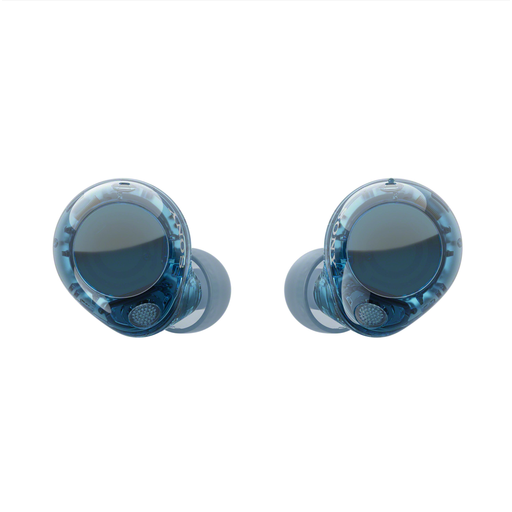 No image available
A sealed wireless model for anyone who wants to listen without a cable. Try a speech recording to see whether the fit and sound suit your study space.
The product name mentions noise cancellation.
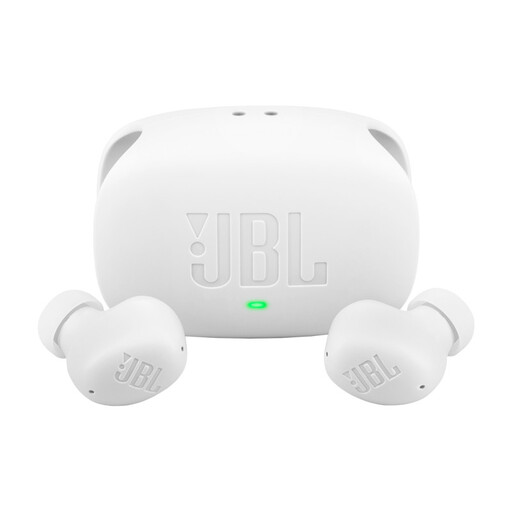 No image available
A wireless in-ear option to assess for speech clarity, fit and how well it keeps sound in during a quiet study session.
 No image available
A wireless in-ear model for comparing a sealed design with a wired option. Check the fit and speech clarity with your own playback device.
The product name mentions noise cancellation.
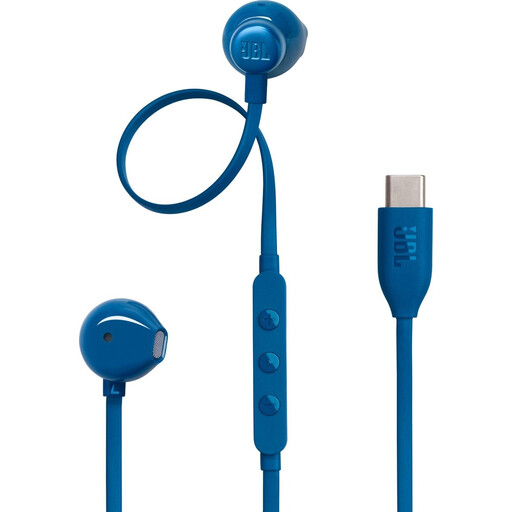 No image available
A wired option if you want to avoid charging breaks. Check that the USB‑C connection is compatible with your playback device before buying.
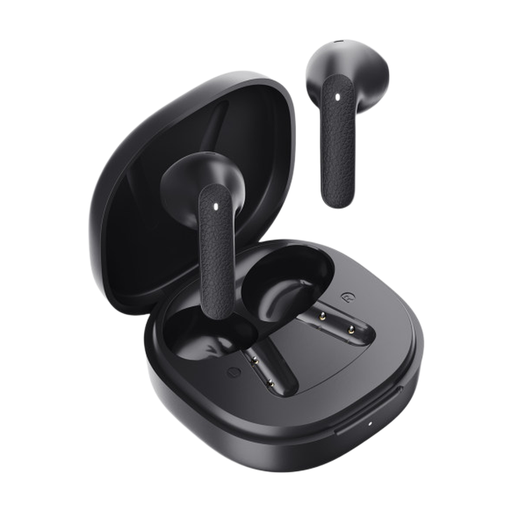 No image available
A wireless in-ear option for longer listening sessions. Check how the fit and speech sound to you before relying on the stated battery life.
Not necessarily. The Dutch Consumers’ Association (Consumentenbond) says active noise cancellation is most helpful against a deep, persistent hum. For lectures, start with speech clarity, fit and a suitable volume. Noise cancellation may be useful if there’s genuinely distracting background noise where you study.
For wireless earbuds, compare the battery life of the earbuds themselves—not just that of the earbuds and charging case together—and take your listening mode into account. Sony states that the WF-C710N offers up to 8.5 hours of continuous music playback with noise cancellation on, and up to 12 hours with it off. These are stated figures, not a guarantee for every listening session.
Position the earbuds carefully, as the Dutch Consumers’ Association (Consumentenbond) says their position affects the sound. Keep the volume down and take regular listening breaks, as recommended by the World Health Organization. Follow the cleaning instructions for your model; advice for another product won’t necessarily apply.
According to ACM ConsuWijzer, online purchases usually come with a 14-day cooling-off period after delivery, although there are exceptions. The seller is also responsible if a product doesn’t meet what you could reasonably expect from normal use; in the Netherlands, the legal guarantee doesn’t simply expire after two years for every product. Check the terms that apply to the specific product.