
Anyone studying dialogue closely
You replay quiet lines to follow the words and pronunciation. Compare settings and fit using your own extract, rather than treating claims about call microphones as proof of how clearly dialogue comes through.


Start with your own theatre extract and listening spot: compare the quiet dialogue using different settings at a modest volume. A well-fitting, noise-isolating in-ear pair with noise cancellation can help reduce background noise in a busy space; an open design or ambient mode may suit you better if you need to stay aware of people around you. None of these features can make words audible if they are missing from the recording itself.
You replay quiet lines to follow the words and pronunciation. Compare settings and fit using your own extract, rather than treating claims about call microphones as proof of how clearly dialogue comes through.
You listen in a shared space or while travelling and want to reduce background noise without continually turning up the volume for the whole extract. The World Health Organization advises using well-fitting earbuds or noise-cancelling headphones to reduce the volume you need in noisy surroundings.
You study for longer stretches and weigh up comfort, noise isolation, awareness of your surroundings and listening time per charge. The Consumers’ Association notes that some people can feel the seal of an in-ear fit or take time to get used to it.
Choose these if: you study quiet dialogue on a noisy train, in a library or in a shared space, and find a noise-isolating fit comfortable.
The trade-off: fit affects the seal, and noise cancellation uses battery power; neither guarantees clearer dialogue.
Choose these if: you want to compare settings and need to hear people around you in between.
The trade-off: an equaliser changes the tonal balance, not the content of the recording; an ambient mode also lets distracting noise through.
Choose these if: you find pressure in your ear canal uncomfortable or need to stay approachable while studying, especially somewhere quiet.
The trade-off: an open fit blocks less background noise, so check whether quiet passages remain clear where you listen.
| What to consider | What to look for | Who should pay particular attention? |
|---|---|---|
| Following quiet lines | Compare the same recording at the same modest volume; check whether you can adjust the equaliser on your playback device. | If I want to study both quiet and louder passages, I want to compare settings directly with my extract. Around 36% of consumers put following quiet lines top of their list. |
| Reducing background noise | Compare the fit and noise cancellation where you listen; also check how you can let in ambient sound. | When background noise disrupts my studying, I want to follow the dialogue without turning up the volume for the whole extract. Around 29% of consumers prioritise reducing background noise. |
| Comfort and staying approachable | Try different ear tip sizes or a more open design; see whether an ambient mode suits how you use your earbuds. | If I listen for a long time or need to hear people around me, comfortable wear matters more than a complete seal. Around 21% of consumers give comfort and staying approachable top priority. |
| Uninterrupted study sessions | Compare listening time per charge using the listening mode you use, not just the total time including the case. | For long study sessions, I want to know how long I can listen between charges. Session length is the most important consideration for around 14% of consumers. |
A claim about microphones for calls does not tell you how a softly recorded theatre extract will sound.
Compare using the same theatre recording and check what a feature refers to: the microphone, background noise or the audio you are listening to.
Total time including recharging in the case is different from listening time per charge.
Compare listening time per charge with the same noise-cancellation setting, then check the additional time provided by the case.
Noise isolation, comfort and the ability to hear others vary by design and from one ear to another.
Compare a noise-isolating fit with a more open design or ambient mode in the conditions where you study.
The WF-C710N is an in-ear option for comparing adjustable sound, noise cancellation and an ambient mode.
The Live Buds 4 have a noise-isolating bud design, adjustable EQ and controls via the charging case.
AirPods Pro 3 are an in-ear option for anyone who wants to compare the fit, controls and features with Apple devices.
Liberty 5 is an in-ear option for weighing up adaptive noise cancellation and an ambient mode.
These Joybuy products include open-ear models for listening while staying aware of your surroundings, and in-ear models with noise cancellation for anyone who wants to reduce background noise.
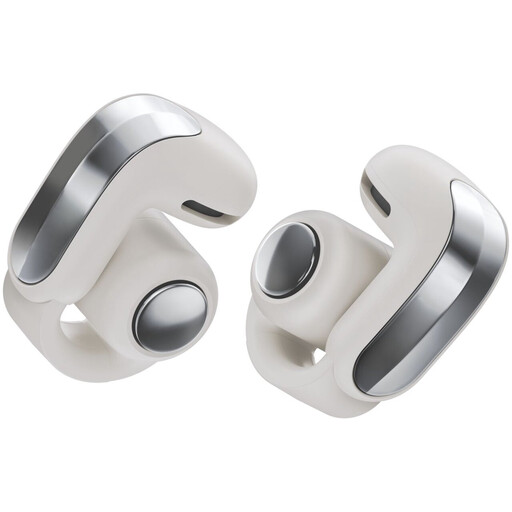 Image unavailable
An open-ear option if you want to stay aware of your surroundings while listening; the fit does not block background noise.
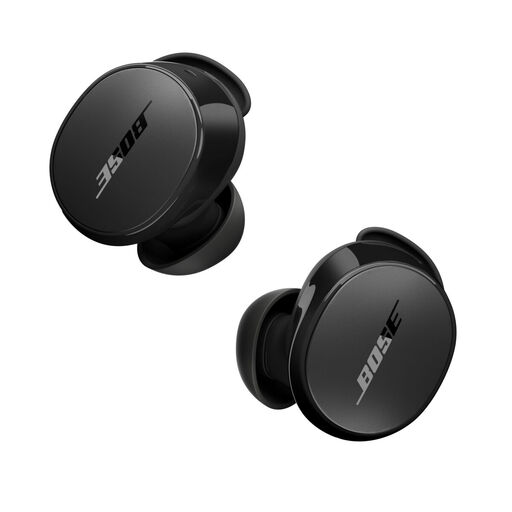 Image unavailable
An in-ear option if you want to reduce background noise while studying; the product information lists active noise cancellation, an Aware mode and adjustable EQ.
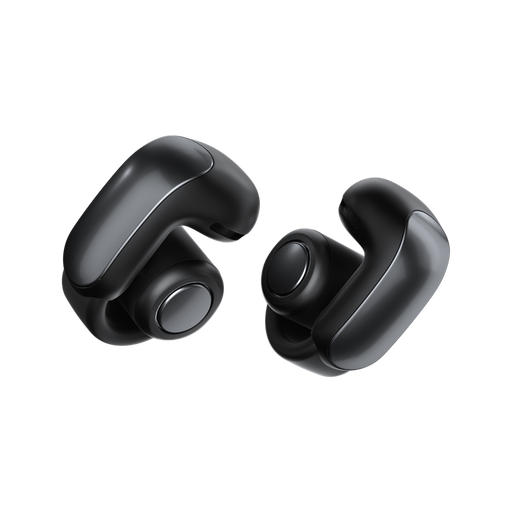 Image unavailable
An open-ear model if you want to stay connected to your surroundings while listening; the open fit does not block background noise.
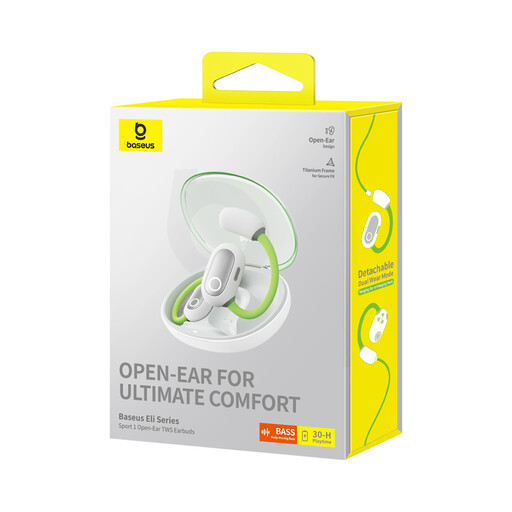 Image unavailable
An open-ear option for anyone who wants to stay aware of background noise while listening; the fit does not block out your surroundings.
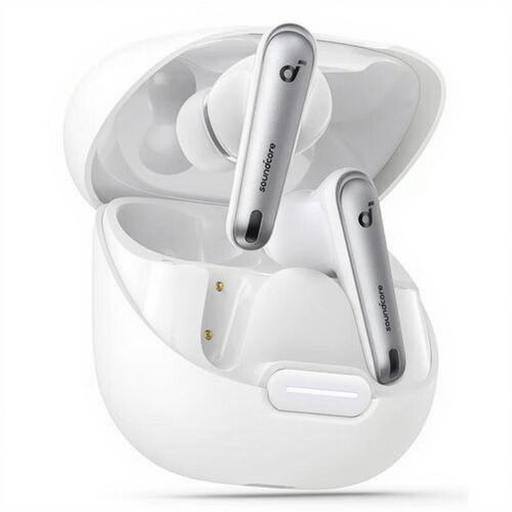 Image unavailable
An in-ear option for studying with distracting background noise; the product information lists active noise cancellation and touch controls.
First, compare the same extract at a modest volume. An equaliser changes the frequency balance; noise cancellation targets background noise. Try each separately to see what helps where you listen, without assuming it can restore information missing from the recording.
Try different ear tip sizes and check that the seal remains comfortable. For the Sony WF-C710N, Sony describes a fit check in Sound Connect; check which settings are available on the devices you use to listen.
Don’t keep turning up the volume for the whole extract just to hear a few quiet words. The World Health Organization advises using well-fitting earbuds or noise-cancelling headphones to reduce the volume you need in noisy surroundings, and highlights that both sound level and listening time matter.
For distance sales, you generally have 14 days from delivery to change your mind. ACM ConsuWijzer lists an exception for hygiene products that have been unsealed; whether that exception applies to a particular pair of earbuds depends on the product and its packaging. Check the information before buying and don’t assume you can try them out without limits.
Compare listening time per charge with the total time including the case, and check the service terms. In the Netherlands, you are entitled to a product that is fit for purpose, but there is no fixed statutory warranty period; if something goes wrong, contact the seller for a solution. Normal wear and tear or damage caused by you does not automatically entitle you to a free repair.