
Listeners who don’t want to disturb anyone
You listen in a quiet study space and want to hear spoken audio at a low volume without disturbing others. The Consumentenbond explains that well-fitting ear tips can help reduce sound leakage.


For listening to spoken book reviews in a quiet library, start with the fit: sealed in-ear earbuds can help reduce sound leakage, while open-ear earbuds leave your ear canal clear and let you hear your surroundings. Then choose between wireless listening and a wired USB-C connection. Active noise cancellation is an optional extra, not a necessity in an already quiet space. Keep the volume low and check the library’s rules before listening.
You listen in a quiet study space and want to hear spoken audio at a low volume without disturbing others. The Consumentenbond explains that well-fitting ear tips can help reduce sound leakage.
You find pressure in your ear canal or tiredness during longer listening sessions a deciding factor, and are comparing in-ear earbuds with an open design. The Consumentenbond describes open-ear earbuds as a design that leaves the ear canal clear.
You want to hear announcements or someone nearby while listening, and are comparing open-ear earbuds with an ambient sound mode. Sony describes the ambient sound mode on the WF-C710N as a way to let in the sounds around you.
First decide whether a sealed fit or awareness of your surroundings matters more. Then choose between wireless listening and a cable.
Choose these if: clear speech, minimal sound leakage and freedom to move are your priorities.
Bear in mind: the seal may feel uncomfortable; the battery needs charging, and ANC may not add much in a quiet space.
Choose these if: you want to keep your ear canal clear or stay aware of people around you.
Bear in mind: the open design provides less isolation. Check that you can hear the review clearly at a low volume without disturbing others.
Choose these if: your device supports USB-C audio and you don’t want to pair via Bluetooth.
Bear in mind: the cable limits your freedom to move, and the seal depends on having the right-fitting ear tips.
| What to consider | What to look for | Who it matters to |
|---|---|---|
| Speech clarity and sound leakage | Check the fit and volume controls. Try a spoken clip at a low, comfortable volume. | If I want to hear reviews clearly without disturbing other library users, I look for a good seal and minimal sound leakage. Around 33% of consumers prioritise clear speech and discretion. |
| Comfort | Compare ear tip sizes and designs, and check that the fit remains comfortable after a while. | For longer listening sessions, I want to avoid a fit that feels pressurised or tiring. Around 27% of consumers put comfort first. |
| Ambient sound | Compare open-ear earbuds with an ambient sound mode that is actually available on the model you’re considering. | If I want to hear an announcement or someone nearby, I consider how important it is to stay aware of my surroundings. Around 20% of consumers prioritise this. |
| Connection and charging | Check whether your device supports USB-C audio. For wireless models, compare the listening time per charge under the stated conditions. | If I want to avoid interruptions for charging or need a simple connection, I check compatibility with my device first. Around 20% of consumers prioritise connectivity and not having to charge their earbuds. |
The stated total battery life may include several recharges using the case. So, if you want to listen for longer stretches, the listening time of the earbuds themselves is important.
During a long session, recharging from the case could mean an interruption.
Compare the stated time per charge using the same ANC setting.
In an already quiet space, fit and listening volume may matter more than active noise cancellation.
First consider comfort and volume. Then factor in ANC if you want to reduce background noise in your surroundings.
An open design leaves the ear canal clear and lets in ambient sound, while well-fitting in-ear tips help create a seal. This can affect how clearly you hear spoken audio in a noisier environment.
Choose open-ear earbuds if staying aware of your surroundings matters, and check that you can follow the review at a low volume without disturbing anyone.
Sony describes both sealed wireless models and the open-design LinkBuds Open.
The SoundForm wired USB-C earbuds are an option if you prefer a cable.
Apple lists five sizes of in-ear tips, active noise cancellation and a Transparency mode for AirPods Pro 3.
Samsung describes the Galaxy Buds3 FE as a specific model with active noise cancellation.
This selection of Joybuy products includes wired USB-C in-ear earbuds and sealed wireless in-ear earbuds for spoken audio. When choosing, focus on fit, connectivity and listening time to suit your sessions.
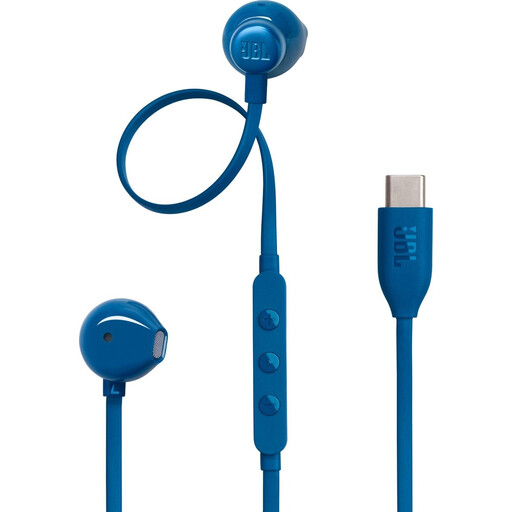 No image available
A wired USB-C option if you don’t want to pair via Bluetooth. Check whether your device supports USB-C audio.
The in-line controls offer volume adjustment and a vocal EQ mode.
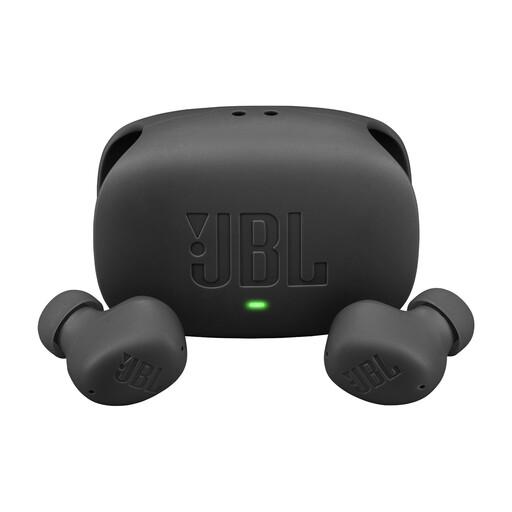 No image available
A wireless in-ear option with ANC and Smart Ambient, for anyone who wants to let in some of their surroundings while listening.
The stated playback time is up to 10 hours on the earbuds and 40 hours in total with the case, with ANC off.
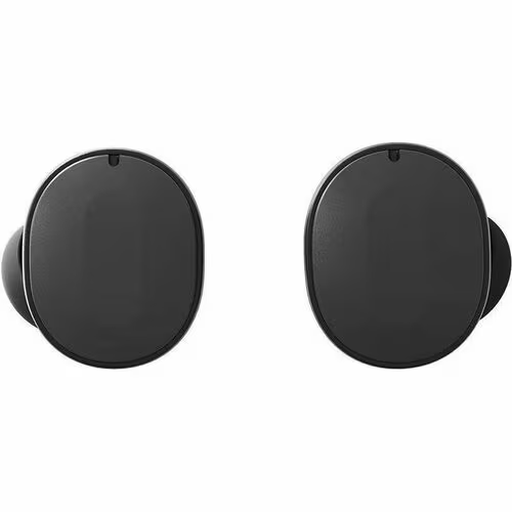 No image available
A wireless in-ear option with ANC. Check the fit and make sure the ear tips feel comfortable.
The stated battery life is up to 8 hours per charge with ANC off. The description mentions replaceable parts.
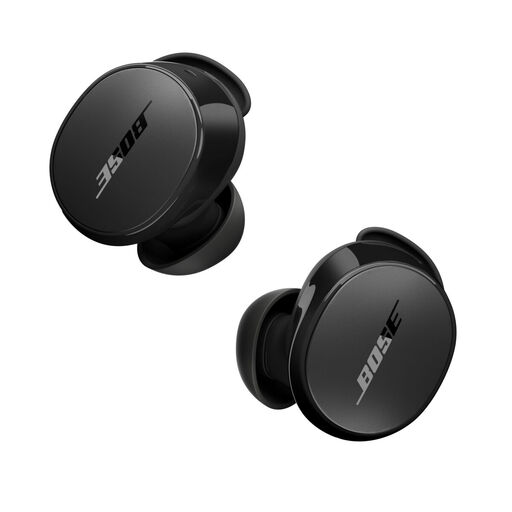 No image available
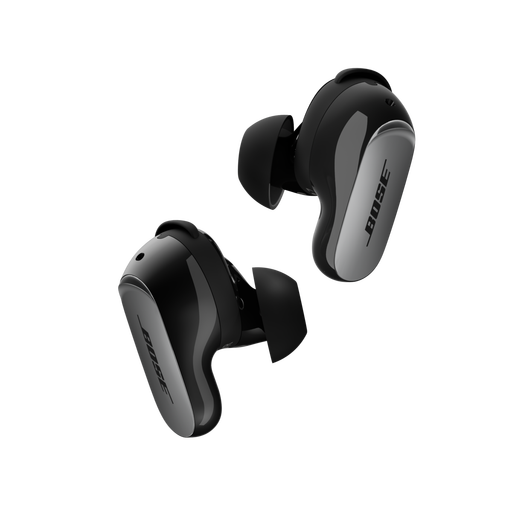
A wireless in-ear option with ANC and an Aware mode that lets in ambient sound.
The stated battery life is up to 8.5 hours per charge. The fit kit includes ear tips in three sizes and stability bands.
 No image available
A wireless in-ear option with ANC and an Aware mode that lets in ambient sound.
The stated listening time is up to 6 hours per charge. The description mentions the included ear tips and stability bands in three sizes.
Not necessarily. Start with a comfortable fit and a low volume. ANC can be a useful extra if there is distracting background noise, but it isn’t automatically necessary in a quiet space.
First choose ear tips that fit or an open design, then start playback at a low volume. Connect the exact model to your device by following the instructions. Use an ambient sound mode only if your model has one and you want to stay aware of your surroundings.
Check the fit, keep the volume low and take breaks. The World Health Organization gives an average of 80 dB for up to 40 hours per week as an example of a safe exposure duration; at 90 dB, it gives four hours per week. These are examples of exposure limits, not guaranteed output levels for any particular earbuds.
For online purchases in the Netherlands, ACM ConsuWijzer says you generally have up to 14 days after delivery to change your mind. There is an exception for certain unsealed goods that cannot be returned for health or hygiene reasons. Don’t assume it always applies just because of the product category. Your statutory guarantee is separate from any manufacturer’s warranty, and there is no general fixed two-year end date for it in the Netherlands.
The rules of the Openbare Bibliotheek Amsterdam state that visitors must not disturb others with loud conversations or music. This is a rule for that library, not a nationwide rule for all libraries. Check the rules at the branch where you plan to listen.