What should you look for when buying?
First decide how you want to switch between examples and recordings. Then check the connection, recording settings and fit for the place where you practise.
| What to consider |
What should you check? |
Who is this important for? |
| Switching between examples and recordings |
Check that you can easily pause and resume the audio, and that the connection works with your device. |
I want to replay short clips on one device without having to keep changing settings or connections. Around 36% of consumers put switching between playback sources first. |
| Speech in a noisy room |
Consider the fit and adjustable noise cancellation or ambient sound. These features don’t prove that speech sounds are easier to hear. |
If background noise interferes with my practice, I want to adjust the fit and listening mode without turning the volume up unnecessarily. Around 29% of consumers prioritise speech clarity in the presence of background noise. |
| Recording and playing back on the same device |
Test which microphone your recording app uses. For Bluetooth on Windows, also check that your PC, earbuds and drivers are supported. |
I want to record and listen back to my pronunciation without the audio mode changing unexpectedly. Around 21% of consumers mainly want to check recording and device compatibility. |
| Fit and awareness of your surroundings |
Check that the earbuds feel comfortable and that you can still hear what’s around you when needed. |
For longer or regular practice sessions, I want a comfortable fit and to be able to notice sounds around me when I’m out and about. Around 14% of consumers prioritise wearing comfort and awareness of their surroundings. |
Earbuds at Joybuy
This selection of Joybuy products focuses mainly on wired USB-C earbuds for switching between clips on one compatible device, plus a wireless model with an ambient sound mode.
 No image available
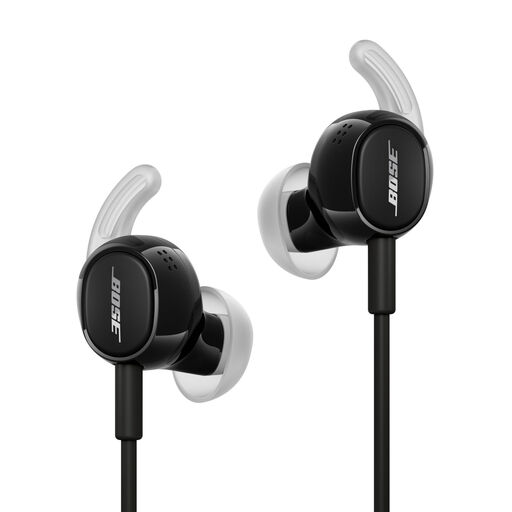
Bose Noise Cancelling Wired Earbuds, black
In-line controls can be handy if you often switch between clips on one compatible device.
USB-C connection; the description mentions QuietControl noise cancellation, three sizes of ear tips and two sizes of stability wings. Requires a device with compatible USB-C audio.
View at Joybuy
 No image available
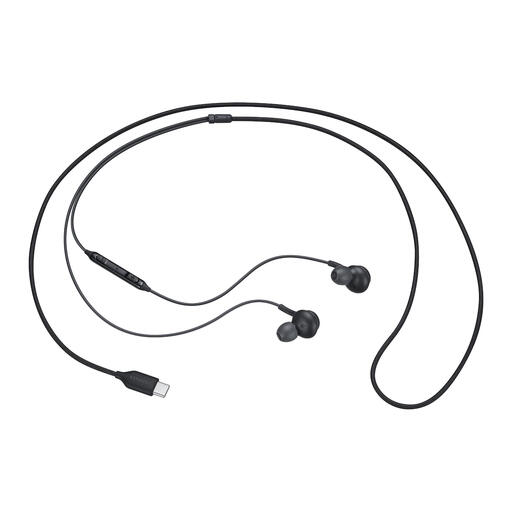
Samsung EO-IC100, black
A wired USB-C option for listening back on a device that supports USB-C audio.
The product description mentions a built-in DAC, speakers tuned by AKG and ear tips in different sizes. Check that your device supports USB-C audio.
View at Joybuy
 No image available
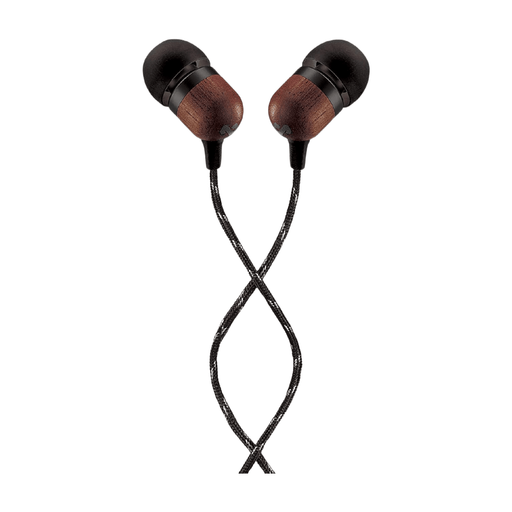
House of Marley Smile Jamaica, USB-C
In-line controls can be useful if you often pause and resume playback while practising.
The product name lists a 9,2 mm driver and an integrated microphone. The description mentions in-line controls; check that your device supports USB-C audio.
View at Joybuy
 No image available
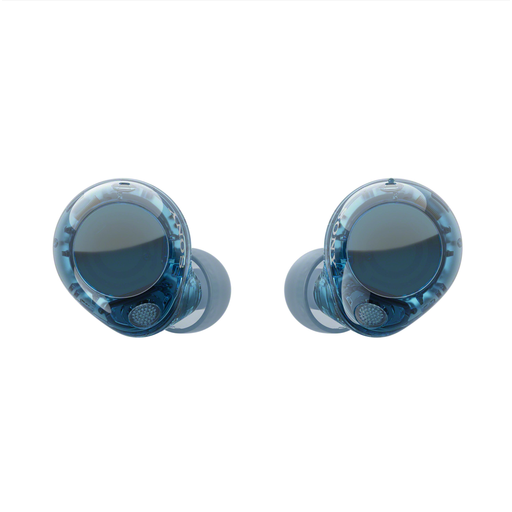
Sony WF-C710N, Glass Blue
A wireless option if you want to move around while listening and use an ambient sound mode.
The product information mentions active noise cancellation, Ambient Sound Mode, music controls and connection to two devices. The earbuds need charging; according to the description, the charging case isn’t water-resistant.
View at Joybuy
 No image available
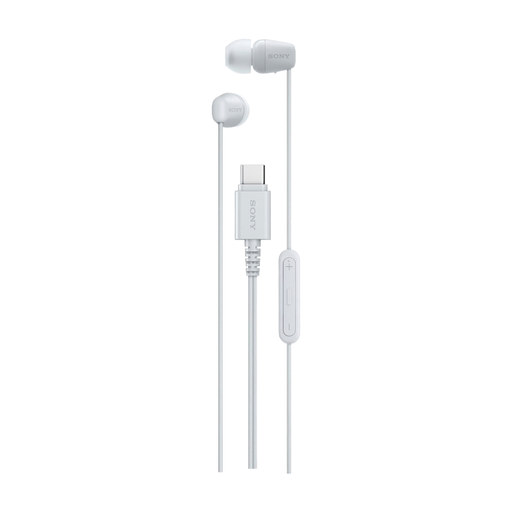
Sony IER-EX15C, white
The wired connection and playback and pause controls may suit repeated listening on a compatible device.
The product description mentions a built-in microphone and in-line controls. Requires a device with compatible USB-C audio.
View at Joybuy
Frequently asked questions
Do I need earbuds with a microphone to record my pronunciation?
Only if you want to record using the earbuds; you can also use a microphone built into your device. Test which microphone your recording app uses. For stereo playback while using a Bluetooth microphone on a Windows PC, the PC, drivers and earbuds must meet the LE Audio requirements, among other things, as described by Microsoft Support.
How can I avoid turning the volume up while practising?
Keep the volume low and take breaks. The World Health Organization identifies sound level, duration and frequency as factors, and gives 80 dB for up to 40 hours a week as an example; this isn’t a measurement for any specific earbuds. Well-fitting or noise-cancelling headphones can help make you less likely to turn up the volume in a noisy environment.
What are my rights if earbuds bought online don’t work properly or don’t fit?
If a product is faulty, the seller is responsible for the statutory guarantee; the Dutch government says there is no fixed statutory two-year period for this in the Netherlands. Online purchases generally come with a 14-day cooling-off period after delivery, but ACM ConsuWijzer notes an exception for certain hygiene products that have been removed from their packaging. Whether that exception applies to a particular pair of earbuds depends on the circumstances; check the packaging and returns policy before trying them on.
Can I listen to pronunciation examples through earbuds while cycling in the Netherlands?
According to the Dutch government, you can listen hands-free, but you mustn’t hold an electronic device while riding. The government advises keeping sounds around you audible, for example by keeping the volume low or using one earbud. This advice doesn’t require you to wear exactly one earbud.


