
Listeners comparing sounds
You play Dutch examples repeatedly and want to hear the details without turning up the volume unnecessarily to overcome background noise.


If distracting background noise is an issue, choose well-fitting in-ear earbuds with noise cancelling. If you want to hear yourself while repeating phrases, try transparency or an ambient sound mode. Test your practice app on your own phone or computer to make sure it plays examples properly and lets you listen back to a usable recording: a microphone designed for phone calls doesn’t guarantee this.
You play Dutch examples repeatedly and want to hear the details without turning up the volume unnecessarily to overcome background noise.
You repeat examples out loud and want to switch between focused listening and hearing your own voice.
You’re looking for a comfortable fit for your practice session and a listening volume you don’t have to turn up unnecessarily.
Choose these if: room noise distracts you while listening to pronunciation examples.
Bear in mind: a sealed fit may not feel as comfortable if you also want to hear your own voice.
Choose this if: you want to let in ambient sound while repeating phrases without constantly taking your earbuds out. Sony describes Ambient Sound for the WF-C710N; Apple Support describes Transparency for AirPods Pro.
Bear in mind: ambient sound will also let in noise, and this mode doesn’t tell you whether your practice app can record or play back your voice properly.
Choose this if: a sealed fit feels uncomfortable or you mainly practise in a quiet room.
Bear in mind: an open design seals less effectively, which can make it harder to use in a noisy room. JBL described the Tune Flex as having both an open design and sealing ear tips.
| What to consider | What to look for when buying | Who is this important for? |
|---|---|---|
| Hearing examples clearly | Fit and seal; compare noise cancelling on your own device. | If background noise drowns out examples, I want to compare sounds without constantly turning up the volume. Around 33% of consumers say being able to hear examples clearly is their main concern when buying. |
| Hearing your own voice | Check whether the earbuds have a transparency or ambient sound mode; also test recording and playback in your practice app. | When I repeat phrases out loud, I want to hear how my voice sounds and listen back to the recording. Around 27% of consumers prioritise hearing and assessing their own voice. |
| Wearing comfort | Check which ear tip sizes are available or whether there’s an open-fit option; assess the fit during a session. | When I practise for longer in the evening, I want a fit that stays comfortable. Around 20% of consumers say wearing comfort is their main concern when buying. |
| Listening volume | Look for a good seal and check the volume controls on your playback device. | When I listen to examples repeatedly, I want to hear them clearly without turning the volume up unnecessarily. Around 20% of consumers prioritise listening at a comfortable volume. |
Total usage time may include extra charges from the case. You can’t wear the earbuds while they’re charging in the case.
Compare the stated listening time per charge for the mode you plan to use.
Charging in the case means taking the earbuds out during your practice session.
A microphone specification for calls doesn’t tell you whether your practice app uses the right microphone or records and plays back your pronunciation appropriately.
If you can try the earbuds, make a short recording on your own device and listen back to it.
An open fit lets in more ambient sound, which can make it harder to listen to examples quietly if your room is noisy.
Compare open and sealed listening in your usual surroundings at a comfortable volume.
The WF-C710N is worth considering if you want to compare noise cancelling with an adjustable ambient sound mode.
AirPods Pro 3 are worth considering if you want to compare an in-ear fit, noise cancelling and transparency, particularly when using an Apple device.
The Tune Flex is a model you can use to compare open and sealed fits.
The Galaxy Buds3 FE are worth considering if you’re looking for an in-ear alternative with features in the Galaxy ecosystem.
The Liberty 4 NC is worth considering if you want to compare a sealed fit, adjustable sound and multipoint connectivity.
These in-ear earbuds are for anyone who wants to listen to examples with less ambient noise and, with some models, let in ambient sound too. Check which listening modes and device compatibility work with your practice app for each model.
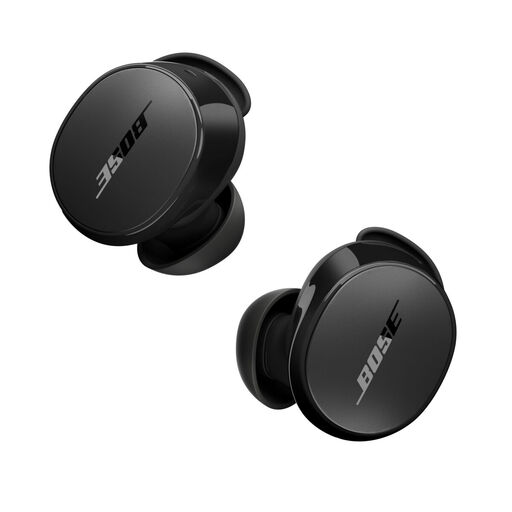 No image available
The listed Quiet and Aware modes suit anyone who wants to switch between focused listening and letting in ambient sound.
Listening modes: active noise cancelling and Aware mode.
The product information also lists app settings.
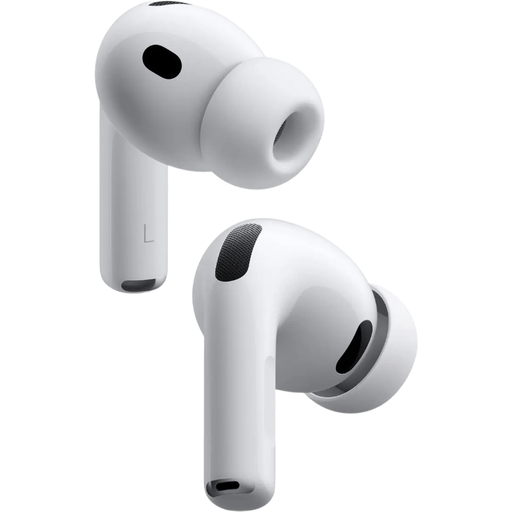 No image available
Suitable if you want to listen to examples with noise cancelling and let in ambient sound while repeating phrases.
Listening modes: active noise cancelling and Transparency.
Apple lists five sizes of silicone ear tips; check which features are supported on your own device.
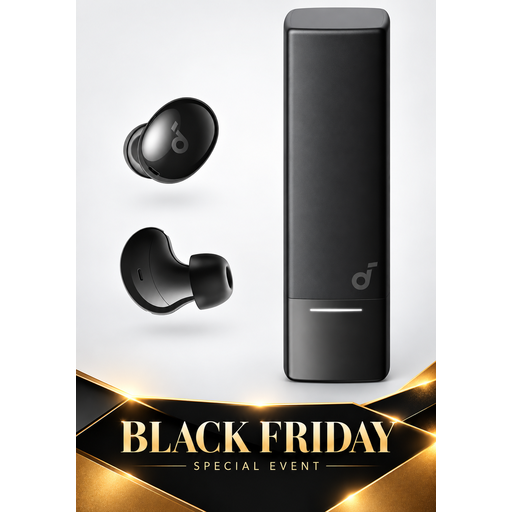 No image available
Suitable if you want to reduce background noise and switch between, for example, a phone and a laptop.
The product information lists active noise cancelling, multipoint connectivity and Bluetooth 5.4.
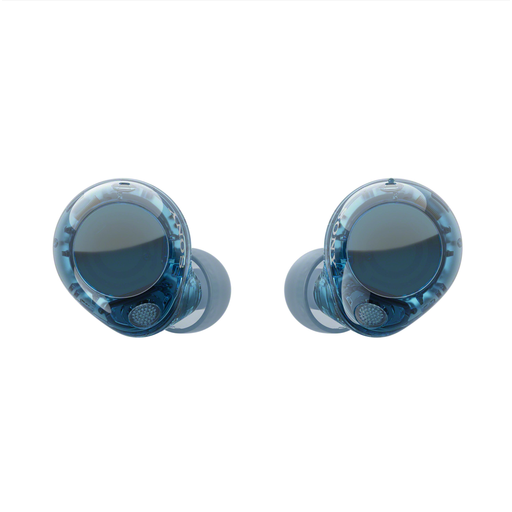 No image available
Suitable if you want to listen with focus and let in ambient sound while repeating phrases.
Sony describes active noise cancelling, Ambient Sound Mode and multipoint connectivity.
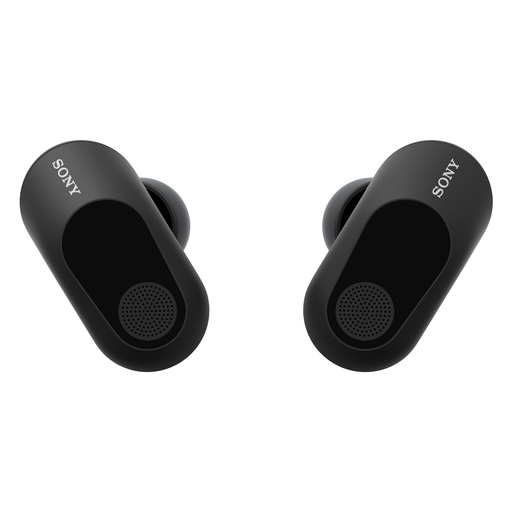 No image available
Suitable if you want to reduce background noise while listening and connect via a USB-C dongle or Bluetooth.
The product information lists active noise cancelling and both connection options.
Not necessarily. Choose the mode that lets you hear the example clearly, and try transparency or ambient sound if you also want to hear your own voice. Compare the modes on the device you use for practice.
Make a short test recording and listen back to it. Check which microphone is selected as the input on your playback device; Microsoft Support explains how to view and test connected microphones in Windows. Also check the microphone settings in your own app.
Not necessarily. Distinguish between the listening time from the earbuds on a single charge and the total time, including recharging in the case. You can’t wear the earbuds while they’re charging in the case.
There’s no fixed statutory warranty period in the Netherlands. You’re entitled to a product that meets the standards you can reasonably expect, and the retailer is your point of contact if something goes wrong. The Dutch government distinguishes between statutory rights and any manufacturer’s warranty.