
Listening back in a noisy room
You practise pronunciation and phrasing with recordings while other people are talking. A good fit and noise isolation matter more to you than staying constantly aware of your surroundings.


If you mainly want to listen back to a presentation recording while other people are talking, choose a well-fitting, noise-isolating in-ear pair with adjustable noise cancellation. If you mainly want to practise aloud and still hear your own voice, an open design is a better fit. When recording, check separately which microphone your recording app uses, and make sure automatic voice features don’t interrupt playback.
You practise pronunciation and phrasing with recordings while other people are talking. A good fit and noise isolation matter more to you than staying constantly aware of your surroundings.
You want to hear your own voice and avoid voice detection interrupting your example recording while you present.
You make practice recordings and don’t want background conversation to distract you from your own articulation. You’ll need to test which microphone your recording app uses.
Choose this option: if you mainly listen back to example phrases or your own recording while other people are talking.
Bear in mind: the fit affects how well the earbuds seal; also check that your own voice sounds comfortable and that automatic features don’t get in the way of playback.
Choose this option: if you mainly present aloud and want to keep hearing your own voice and the people around you.
Bear in mind: an open design lets background conversations through, so it’s less suitable when uninterrupted listening is your priority.
| What to consider | What should you look for? | Who is this important for? |
|---|---|---|
| Understanding recordings | Compare the in-ear fit, the included ear tips and the option to switch to ambient sound. | If you listen back to example phrases in Dutch while other people are talking, you’ll want to follow the speech without turning the volume up unnecessarily. Around 36% of consumers put being able to understand recordings clearly first. |
| Practising without interruptions | Check whether voice or conversation detection can be turned off, and test it while practising a sentence. | If you speak aloud while an example is playing, you won’t want an automatic feature to interrupt the audio. Around 29% of consumers give uninterrupted practice top priority. |
| Reviewing your own recording | Make a test recording with the phone or laptop you plan to use, and check which microphone the app uses. | If you record your own presentation, you’ll want to assess your voice without assuming that what you hear through your earbuds is what the recording captures. Around 21% of consumers prioritise recording their own presentation. |
| Comfort and battery life | Compare the fit and listening time per charge separately from any extra listening time provided by the charging case. | If you do several practice sessions in a row, you’ll want earbuds that feel comfortable and last long enough. Around 14% of consumers consider comfort and battery life the most important factors. |
The World Health Organization recommends well-fitting, noise-cancelling headphones to help you listen at a lower volume in noisy environments. Noise cancellation while listening back doesn’t automatically tell you how clearly a recording can be heard.
What you hear while listening isn’t necessarily what the recording app captures through the selected microphone.
Make a short test recording with similar background conversation, and check which microphone is selected before relying on the recording quality.
A feature that reacts to your voice can interrupt audio playback when you’re trying to rehearse aloud.
Test the setting with a short practice sentence and turn it off if it interrupts your audio.
Earbuds charge in the case, so you can’t wear them at the same time. The Consumers’ Association also notes that the batteries in wireless earbuds are almost never replaceable.
Compare the listening time per charge with the length of a single practice session, rather than looking only at total playback time including the case.
Open designs let surrounding speech through; noise-isolating in-ear earbuds, meanwhile, may feel less comfortable if they don’t suit your ears.
Decide whether listening back or speaking aloud is your priority, and check the returns policy for earbuds before you buy.
Sony offers different listening styles: the WF-1000XM5 is a noise-isolating in-ear model, while the LinkBuds Open has an open-ring design.
Apple describes the AirPods Pro 3 as having a noise-isolating design, noise cancellation, Transparency mode and Conversation Awareness.
JBL describes the Tour Pro 3 as offering adjustable noise cancellation and ambient sound settings.
Bose describes the QuietComfort Ultra Earbuds as having controls that let you adjust noise cancellation, among other things.
This selection focuses on noise-isolating earbuds for listening back with fewer distractions; with the wired option, you’ll also need to check your device’s connection. Before buying, check the CE marking and the requirements that apply to the specific model. The Dutch Authority for Digital Infrastructure describes the European requirements for radio equipment, but a product title alone doesn’t confirm compliance.
 No image available
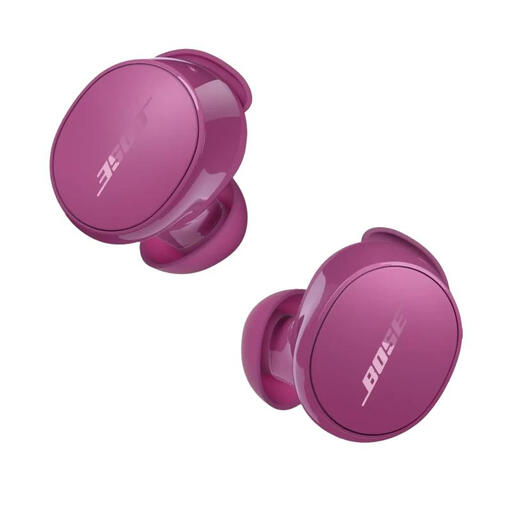
An option to compare for listening back; check for yourself whether the fit and controls suit your practice routine.
 No image available
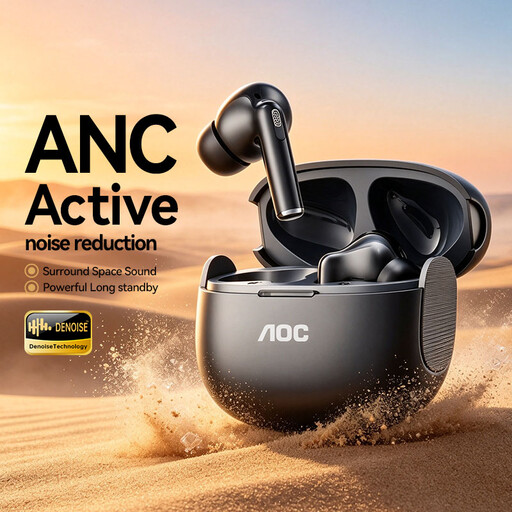
The product name mentions ANC and Bluetooth 6.0. Check that the connection and your recording app work with the device you’ll use for practice.
 No image available
The product name mentions active noise cancellation. Test which microphone your recording app selects; a listening feature alone doesn’t prove recording quality.
 No image available
These are wired USB-C earbuds, not Bluetooth earbuds. Check that your device supports a compatible USB-C audio connection.
 No image available
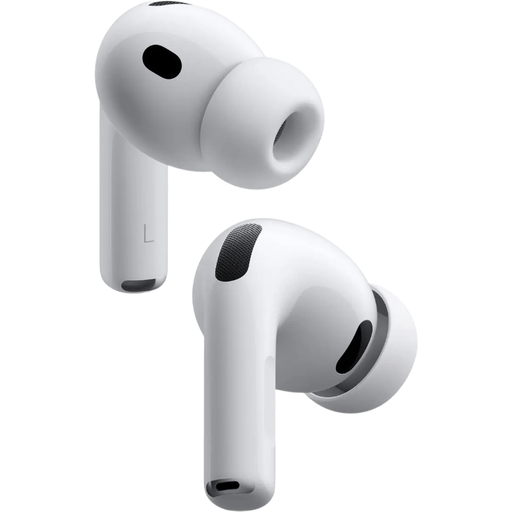
Apple lists active noise cancellation, Transparency mode and five sizes of silicone ear tips for the AirPods Pro 3. Test the fit and automatic features as part of your own practice routine.
No, it depends on what you’re doing at the time. Use noise reduction mainly when listening back in a noisy place; try an ambient sound mode or an open design when speaking aloud and following your own voice. The World Health Organization recommends well-fitting, noise-cancelling earbuds to help you listen at a lower volume in noisy environments.
According to Sony, Speak-to-Chat on the Sony WF-1000XM5 can pause playback as soon as you speak. Check the voice-activated listening settings on your specific model and test them with a short practice sentence.
Make a short test recording with the app you plan to use and check which microphone is selected. Listen back with similar background conversation; don’t judge recording quality by noise cancellation designed for listening.
Online purchases generally come with a statutory 14-day cooling-off period from the day after delivery. ACM ConsuWijzer explains that there are exceptions for hygiene products that have been unsealed. So don’t assume you can try in-ear earbuds free of charge; check the terms that apply to your specific purchase.
Not automatically. In the Netherlands, statutory warranty rights may apply if a product doesn’t perform as you could reasonably expect under normal use. ACM ConsuWijzer states that the seller must then provide an appropriate solution free of charge. What’s appropriate depends on the fault and the circumstances.
The Dutch Authority for Digital Infrastructure describes the European requirements for radio equipment and states that only products bearing the CE marking may be sold in Europe. A Dutch product title alone doesn’t confirm that a specific model meets the applicable requirements.