
Quiet listener sitting near others
You’re listening at a reading table and want to hear the recitation at a low volume without disturbing other visitors.


For listening to poetry at a quiet reading table, well-fitting, sealed in-ear earbuds at a low volume are a sensible first choice. A good fit can help keep sound in, but it can’t guarantee that nobody else will hear it. An open design may suit you better if you don’t want a tip in your ear canal and want to remain aware of your surroundings. Wired listening is an option if your device has a compatible socket. Active noise cancellation isn’t necessarily needed in an already quiet space.
You’re listening at a reading table and want to hear the recitation at a low volume without disturbing other visitors.
You listen for extended periods and care most about pressure and fit, so you’re comparing fitted in-ear tips with an open design.
You want to hear announcements or someone speaking to you, so you’re looking for an open design or a transparency mode.
Best if: you’re sitting close to other readers and want to listen without a cable.
Bear in mind: the tips need to fit you well, and the earbuds need charging.
Best if: you don’t want a tip in your ear canal or want to stay approachable.
Bear in mind: you’ll still hear your surroundings, and other people may hear what you’re listening to.
Best if: your device has a compatible socket and you don’t want to manage an earbud battery.
Bear in mind: the cable may move against your clothes or the table, and you may need a compatible adapter.
| What to consider | What should you look for? | Who is this important for? |
|---|---|---|
| Clarity and sound leakage | Try a well-fitting tip, start at a low volume and check whether the recording is audible from the distance at which you’ll be sitting. | When I’m at a reading table, I want to hear the recitation without disturbing others; around 36% of consumers prioritise minimal sound leakage. |
| Comfort during a recitation | Compare tip sizes and wearing styles. An open design leaves the ear canal clear, but lets in ambient sound. | For longer listening sessions, I don’t want a tip that presses on my ear; around 29% of consumers say long-wearing comfort is their top priority. |
| Staying approachable | Compare an open design with a transparency mode, and check whether you can switch the mode on easily. | If I don’t want to miss an announcement or someone speaking to me, I want a way to hear what’s going on around me; around 21% of consumers put this first. |
| Playback and connection | Compare wireless playback time per charge in your chosen mode, or check that your device supports the plug used by a wired model. | If I don’t want to stop to charge, or I’m looking for a simple connection, I want to know what my device supports; around 14% of consumers prioritise power and connection convenience. |
An open ear canal lets in ambient sound, but that doesn’t mean another reader won’t hear your recitation. Shokz describes reduced sound leakage with DirectPitch as a product claim, not a guarantee that people nearby won’t hear anything.
At a low volume, check whether the recitation can be heard from the relevant seating distance.
Total playback time with a case isn’t the same as how long the earbuds themselves can play continuously. You can’t use them while they’re charging.
Compare the stated playback time per charge in the listening mode you want to use.
Allow for a break in your listening when the earbuds need to charge in the case.
The Dutch Government explains that the Netherlands has no fixed statutory warranty period. An additional warranty doesn’t replace your legal rights to a product that meets requirements.
Before buying, compare what cover an additional warranty product offers on top of your statutory rights.
The WF-C710N are sealed wireless in-ear earbuds with a transparency mode and multipoint connectivity, suited to anyone who switches between devices.
The Tune Buds 2 combine a sealed design with Ambient Aware and TalkThru, for anyone who wants to respond to others from time to time.
The wired IE 200 is worth considering if your device has a 3.5mm socket and you don’t want to manage an earbud battery.
The OpenFit Air is an open-ear alternative for anyone who doesn’t want a tip in their ear canal.
The in-ear AirPods Pro 3 offer a transparency mode and five tip sizes, making it easy to compare features and fit.
This selection includes wired earbuds, open-ear models and in-ear options for listening to poetry in a quiet library.
 No image available
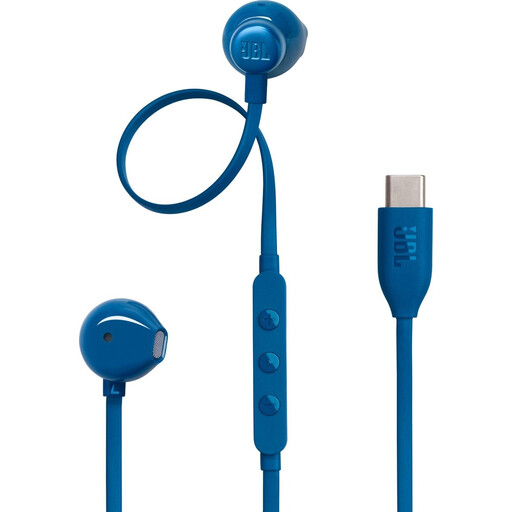
A wired option if you want to adjust the volume using the cable controls while listening.
The in-line controls can be useful if you want to adjust the volume during a recitation.
 No image available
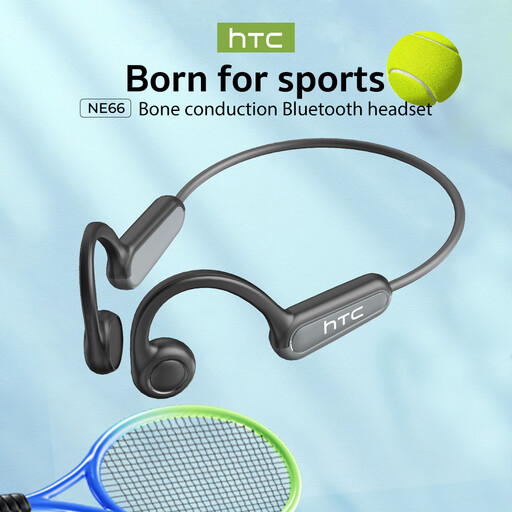
An open-ear option if you want to remain aware of your surroundings while listening and don’t want a sealed tip.
The product name mentions bone conduction and Bluetooth 5.4; an open design doesn’t guarantee that other readers won’t hear your recording.
 No image available
An open-ear option if you don’t want a tip to seal off your ear canal and want to remain aware of your surroundings.
The product name mentions OWS open-ear and Bluetooth 6.0; check whether others can hear the recitation from where you’ll be sitting.
 No image available
A wired option if you don’t want to manage an earbud battery.
Check that your playback device has a compatible USB-C socket.
 No image available
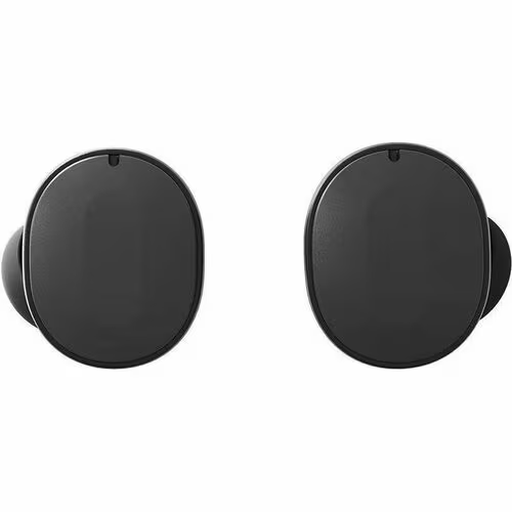
A wireless in-ear option if you’re looking for a sealed fit.
Compare playback time per charge in the listening mode you use; don’t count the extra time from the charging case as continuous playback time.
Not necessarily. Active noise cancellation reduces ambient sound for you, but doesn’t tell you how much of your recording other people can hear. Start with a comfortable fit and a low volume. Only consider extra noise cancellation if you’re actually bothered by ambient noise.
Try different tip sizes and choose in-ear earbuds that seal well without feeling uncomfortable. Follow the care and replacement instructions for the tips supplied with your chosen model; a poor fit can affect the sound.
Compare playback time per charge in the listening mode you use, rather than just the total time including the case. The stated time per charge helps you work out whether you’ll need to recharge during a listening session.
For many distance purchases from a business, you have a 14-day cooling-off period, according to the Dutch Government. Check the terms and exceptions that apply to the specific product; this doesn’t mean that opened or used in-ear earbuds are always covered by the right to cancel. If a product is faulty, you can exercise your statutory rights with the seller.