What should you look for when choosing?
Noise-isolating wired in-ear
Choose this if: your device has a compatible audio output, you want to avoid pausing to charge your earbuds, and you find a noise-isolating fit comfortable.
Bear in mind: the connection or any adapter you may need; wired in-ear earbuds do not have a transparency mode.
Noise-isolating wireless in-ear
Choose this if: freedom of movement, easy controls or being able to hear your surroundings temporarily is important to you.
Bear in mind: fit remains important for preventing sound leakage, and battery life also depends on which features are switched on.
Open-ear
Choose this if: you do not want earbuds in your ear canals, or you want to be able to hear announcements in the library.
Bear in mind: the open design does not seal your ears; check whether other people can hear your music at the volume you need.
First decide which trade-off matters most to you: avoiding disturbing others, judging the piano sound for yourself, comfort and awareness of your surroundings, or practical use during a long session.
| What to consider |
What to look for when buying |
Who should pay particular attention? |
| Avoid disturbing others |
Look for a well-fitting, noise-isolating ear tip and check for sound leakage at your usual volume. |
If I sit next to other readers, I want to make sure they cannot hear my recording. Around 36% of consumers also prioritise preventing others from hearing their music. |
| Piano sound |
If possible, compare the same familiar recording at a modest volume; do not treat a codec or specification as a judgement of sound quality. |
If I listen to piano attentively, I want to judge for myself whether I like the notes and tonal balance. Around 29% of consumers prioritise judging the piano sound for themselves. |
| Comfort and hearing your surroundings |
Compare the available ear tip sizes or an open-ear design, and check how to switch on transparency mode. |
If noise-isolating earbuds feel uncomfortable or I want to stay aware of my surroundings, I look for a design that suits the way I use them. Around 21% of consumers prioritise long-lasting comfort and awareness of their surroundings. |
| Listening time and connection |
Compare wireless battery life per charge with your preferred features switched on, or check the connection required for a wired model. |
If I want to listen for a long time, I want to know whether the battery life or audio connection suits my session and device. Around 14% of consumers prioritise battery life and a compatible connection. |
Earbuds at Joybuy
This selection includes wired USB-C in-ear earbuds and wireless in-ear models. Check that each model’s connection is compatible with your device and that the fit feels comfortable.
 No image available
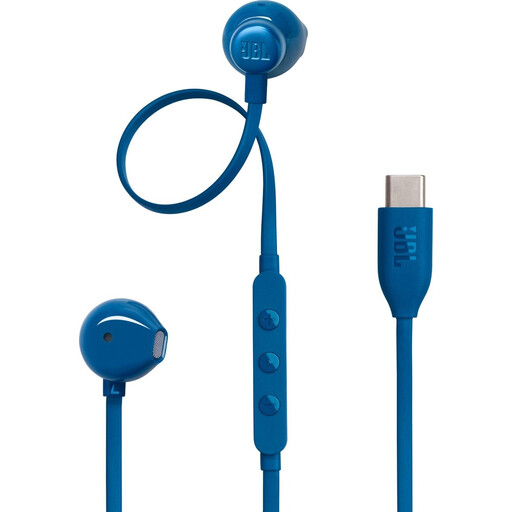
JBL Tune 305C USB-C, blue
A wired option if your device supports USB-C audio.
The product information lists three EQ presets.
View at Joybuy
 No image available
Bose Noise Cancelling Wired Earbuds, black
Wired in-ear earbuds for anyone who wants to avoid pausing to charge them, provided their device has a compatible USB-C connection.
The product information lists several sizes of ear tips and stability bands.
View at Joybuy
 No image available
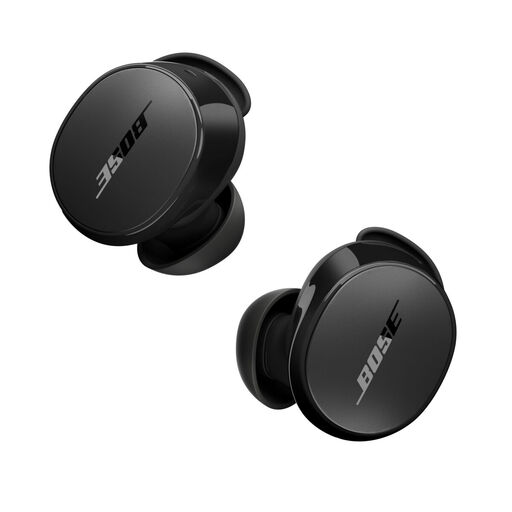
Bose QuietComfort Earbuds, black
Wireless in-ear earbuds if you want to be able to hear your surroundings while listening.
The product information lists an Aware mode and EQ adjustment via the app.
View at Joybuy
 No image available
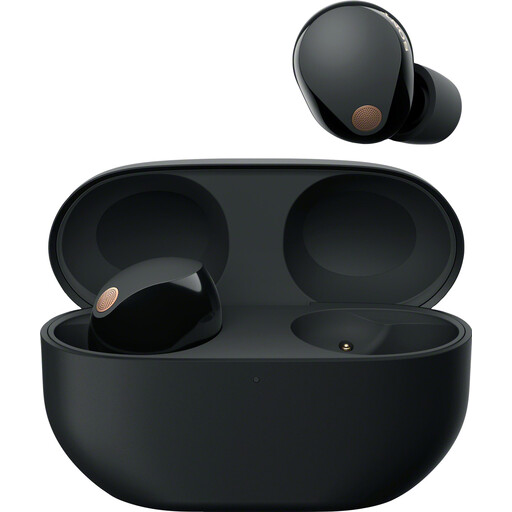
Sony WF-1000XM5, black
Noise-isolating wireless in-ear earbuds with noise cancellation and an ambient sound mode.
Sony states that you can listen to music for up to 8 hours with noise cancellation on; actual listening time depends on the conditions of use.
View at Joybuy
 No image available
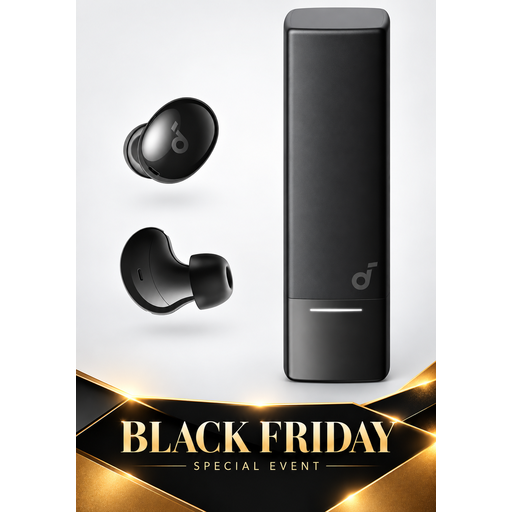
Soundcore A30i by Anker
Wireless in-ear earbuds with noise cancellation; check the fit and whether they suit the way you listen in a quiet space.
The product information describes the model as small and lightweight.
View at Joybuy
Frequently asked questions
Do you always need active noise cancellation in a quiet library?
No, not necessarily. Start with a well-fitting, noise-isolating ear tip and a modest volume. ANC reduces sound for the wearer, but does not guarantee that people nearby will hear nothing; check for sound leakage separately.
How should you set up your earbuds for a long piano session?
Choose a comfortable ear tip and compare a familiar recording at a modest volume. For wireless models, check the battery life with the features you want to use switched on. The World Health Organization recommends taking both volume and listening time into account; its examples are not a personal volume setting or a guarantee.
Can you return earbuds bought online after trying them, no questions asked?
Online purchases in the Netherlands generally come with a statutory 14-day cooling-off period after delivery, but there are exceptions. ACM ConsuWijzer gives the example of hygiene products with a broken seal. So do not assume you can return earbuds after using them; read the terms before opening the packaging.
Should you buy an extended warranty if the battery fails too soon?
Not necessarily. ACM ConsuWijzer explains that the statutory guarantee exists alongside any manufacturer’s warranty, and that the seller may be responsible if a product does not meet what you could reasonably expect under normal use. In the Netherlands, there is no fixed end date that applies to every product.
Which European product rules apply to wireless earbuds?
Bluetooth earbuds are classed as radio equipment under European product rules, including the Radio Equipment Directive. The European Commission states that common charger requirements have applied to the relevant category of earbuds since 28 December 2024. The precise requirements depend on the device and charging method; this does not mean that every individual earbud must have a USB-C port.


