What should you look for when choosing?
First decide whether you want noise isolation, to hear the sounds around you or a wired connection. Then compare the fit, controls and battery life to find what suits your evening routine.
Noise-isolating wireless in-ear earbuds with ANC
When to choose them: if background noise drowns out your news lesson and silicone tips feel comfortable.
The trade-off: noise isolation may feel less comfortable if you want to hear your surroundings at all times, and ANC doesn’t reduce every type of noise equally.
Wireless in-ear earbuds with ambient mode
When to choose them: if you usually practise somewhere quiet but sometimes want to hear what’s going on around you. Sony lists ambient mode and multipoint for the WF-C510.
The trade-off: ambient mode isn’t ANC; check the fit and speech clarity for yourself.
Open-ear earbuds
When to choose them: if you want to keep your ear canals clear and continue hearing housemates or other sounds around you.
The trade-off: open-ear models let outside noise in, which can make quiet speech harder to follow in a noisy room.
Wired in-ear earbuds
When to choose them: if you want to practise without Bluetooth pairing or a charging routine, and your device has a compatible connection.
The trade-off: check the connection; the cable limits your freedom of movement.
| What to consider |
What should you check? |
Who should pay extra attention? |
| Speech with background noise |
Compare the fit, ANC and the option to let ambient sound through. Try a spoken recording at your usual volume. |
If I practise in the evening while other sounds interrupt the lesson, I want to follow spoken news without turning up the volume. Around 27% of consumers say following speech in background noise is their top buying priority. |
| Fit and awareness of your surroundings |
Decide whether you’re comfortable with tips in your ear canals; check the tip sizes or ear-hook design, and try the fit if possible. |
If I want to keep hearing housemates or sounds around me while listening, comfort is important to me. Around 27% of consumers put fit and awareness of their surroundings first. |
| Connection and controls |
Check the port on your phone, tablet or laptop, and whether the controls work with your lesson setup. Try pausing and resuming playback. |
If I want to start listening without pairing or often switch between devices for lessons, I look for a connection and controls that suit my routine. Around 26% of consumers name connection and controls as their top buying priority. |
| Battery life per session |
Compare battery life per charge in your preferred listening mode with the extra hours provided by the case. |
If I want to listen to a whole lesson without interruption, I check the battery life of the earbuds themselves. Around 20% of consumers put uninterrupted listening time and value for money first. |
Earbuds at Joybuy
These products let you compare wireless, wired and open-ear earbuds for evening news lessons.
 No image available
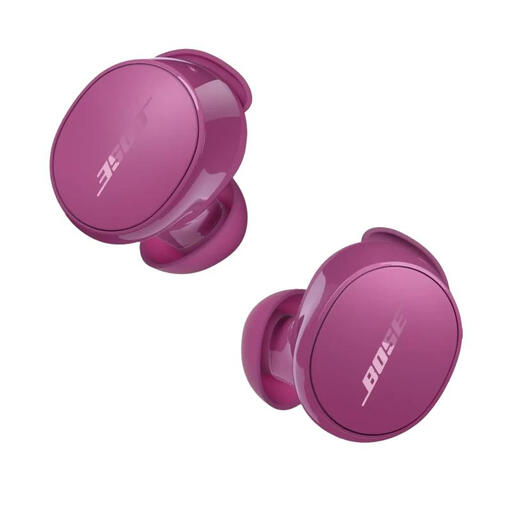
Bose QuietComfort Earbuds, Rosewood Mauve
Compare this model if you’re weighing up noise reduction and the option to hear ambient sounds. Check that the fit is comfortable for your listening sessions.
View at Joybuy
 No image available
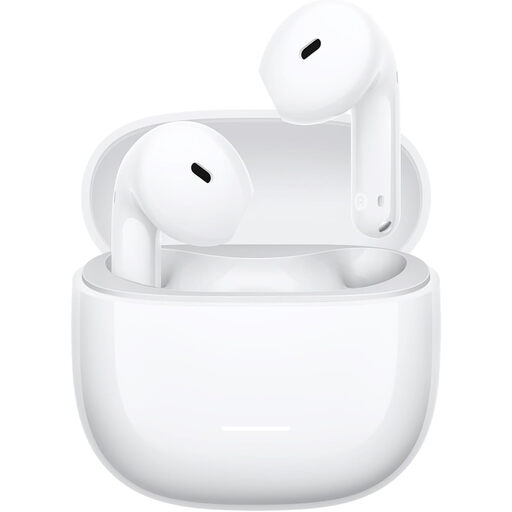
Xiaomi Redmi Buds 8 Active, White
An option to compare if you want to listen wirelessly; the product name lists True Wireless, Bluetooth and a semi-in-ear design.
The product information lists up to 7 hours of playback per charge. Your actual listening time may depend on how you use the earbuds and your settings.
View at Joybuy
 No image available
Bose Noise Cancelling Wired Earbuds, Black
A wired option if you don’t want to charge your earbuds; check that your device has a compatible USB-C connection.
The product name lists noise cancelling and a wired connection.
View at Joybuy
 No image available
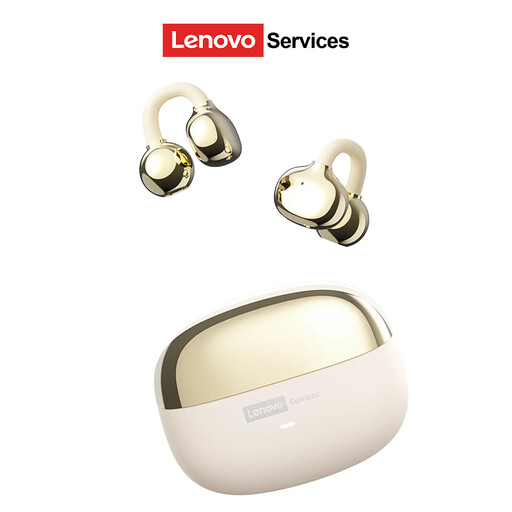
Lenovo LE302 Wireless Earclip Headset
Compare this open-ear model if you want to stay aware of your surroundings while listening; bear in mind that you’ll still hear ambient noise.
The product information lists compatibility with Android, iOS and Windows.
View at Joybuy
 No image available
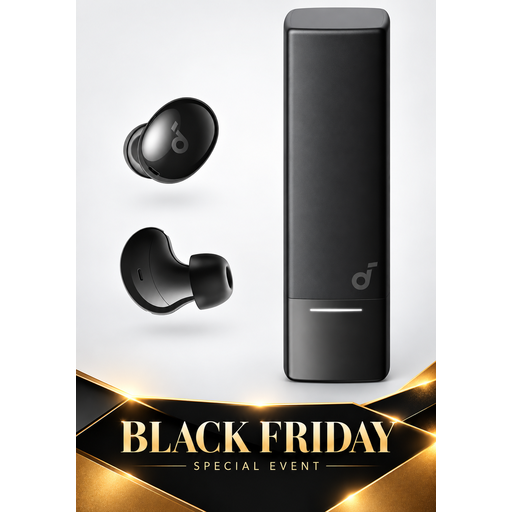
soundcore A30i by Anker
Compare this model if you want to switch between ANC and transparency mode; soundcore describes both modes for the A30i.
According to soundcore Support, battery life is around 4 hours with ANC and 7 hours in normal mode at 50% volume. Your content and volume can affect this.
View at Joybuy
Frequently asked questions
Should I choose ANC for a news lesson?
Not necessarily. According to the Consumers’ Association, ANC can reduce distracting ambient noise, while well-fitting earbuds without ANC may be enough in a quiet room. Choose based on your surroundings and the fit, rather than on any promise of improved language comprehension.
How can I stop myself from continually turning up the volume?
The WHO advises keeping the volume low, taking regular breaks and using well-fitting or noise-cancelling earbuds when noise would otherwise make you listen at a higher volume. General guidance on sound levels and listening time doesn’t guarantee a safe setting for every device.
What if the fit isn’t right after buying online?
In the Netherlands, online purchases usually come with a statutory 14-day cooling-off period from the date of delivery. ACM ConsuWijzer lists exceptions for hygiene products that have been removed from their packaging. Before breaking any seal, check which return terms and statutory exceptions apply to the specific product.
Is a two-year manufacturer’s warranty my only right?
No. According to ACM, the seller is responsible for the statutory guarantee if a product doesn’t meet what you could reasonably expect under normal use. There’s no general fixed two-year period for this in the Netherlands; a commercial or manufacturer’s warranty is separate.
Which product marking is relevant for wireless earbuds?
Bluetooth earbuds are classed as radio equipment under European product rules. The Dutch Authority for Digital Infrastructure states that equipment meeting the applicable requirements receives a CE marking, and that only products with the required CE marking may be sold in Europe. A visible marking alone doesn’t prove that a particular product being sold actually meets the requirements.


