Start by checking the audio source: if you’re using your own phone for the tour, you can use wireless earbuds or compatible wired ones. If you’re using a museum device, check the connection first. Open-ear earbuds suit anyone who wants to stay aware of their surroundings. In-ear earbuds that create a seal, with adjustable noise cancelling if available, may be a better fit if clear speech is your priority. Just make sure you can still hear conversations and instructions.
Who are these earbuds for?
Visitors who want to stay approachable
If you want to hear conversations or instructions while listening to commentary, compare open-ear and noise-isolating earbuds. The Consumentenbond explains that open-ear designs leave the ear canal unobstructed, so you can still hear ambient sounds.
Visitors who want to follow spoken commentary clearly
If background noise bothers you, look for a comfortable fit and some noise isolation rather than continually turning up the volume. The Consumentenbond highlights speech as something to consider when assessing earbuds and headphones.
Visitors who want to travel light
If you want to carry as little as possible, check in advance whether the tour runs on your own phone or a museum device. The Rijksmuseum offers audio tours through an app; at the Van Gogh Museum, you collect a booked tour from the Audio Desk.
What should you look for?
Open-ear earbuds
Choose this option if: you’re listening on a compatible device of your own and want to stay aware of your surroundings.
Bear in mind: spoken audio may be harder to follow in a noisy space. Don’t keep turning up the volume to compensate.
In-ear, with ANC if you prefer
Choose this option if: background noise gets in the way of the commentary and you find sealed earbuds comfortable.
Bear in mind: noise isolation may make conversations and instructions harder to hear. Try a setting that still lets you stay aware of what’s going on around you.
Wired earbuds
Choose this option if: the audio source has a compatible connection and you want to listen without pairing via Bluetooth or carrying a charging case.
Bear in mind: the plug must fit the audio source, and a cable may be less convenient when you’re walking around.
| What to consider |
What should you check? |
Who is this important for? |
| Ambient noise |
Whether the design lets in ambient sounds and whether you can follow spoken audio at a comfortable volume. |
If I want to stay approachable, I make sure I can still hear conversations and instructions. Around 36% of consumers say ambient noise is their main concern when buying. |
| Speech clarity |
Whether the fit is comfortable and whether you can switch between noise isolation and hearing ambient sounds. |
When background noise gets in the way of the commentary, I want to follow what’s being said without continually turning up the volume. Around 29% of consumers prioritise being able to understand spoken commentary. |
| Comfort and portability |
Whether they stay comfortable when worn for longer periods and whether you want to carry a charging case. |
If I want to travel light and wear earbuds for a while, a comfortable fit is important to me. Around 21% of consumers say comfort and compact portability are their top priorities. |
| Connection |
Whether the tour plays on your own phone or a museum device, and whether the connection is compatible. |
I want to know in advance whether my earbuds will work with the actual audio source, so I don’t have to hunt for a connection during my visit. For around 14% of consumers, the connection is their main concern when buying. |
Common buying mistakes
-
Assuming every audio tour works on your own phone
The Rijksmuseum describes audio tours accessed through an app, while the Van Gogh Museum says visitors collect a booked tour from the Audio Desk. The process can therefore vary from one museum to another.
Before you buy, check which device you’ll use for the tour and which connection it needs.
-
Confusing total battery life with continuous listening time
The Consumentenbond points out that you can’t use earbuds while they’re charging in their case. Total battery life including the case is therefore different from listening time on a single charge.
Compare the stated playback time per charge separately from the total time with the charging case.
-
Trying to drown out ambient noise by turning up the volume
Open-ear designs let in ambient sounds, but this can make spoken audio harder to follow in noisy places. The World Health Organization recommends keeping listening volume down.
Try listening to the tour at a comfortable volume. If speech is still hard to follow, consider a suitable option that offers more noise isolation, while making sure you can still hear conversations and instructions.
-
Confusing an extended warranty with your statutory rights
An optional extended warranty is not the same as your statutory rights if a product is faulty. According to the Dutch Government, there is no fixed statutory warranty period for all products in the Netherlands.
Check what additional cover the terms and conditions provide before you pay for it.
Brands to compare
Sony
The LinkBuds Open are an open-ear option for anyone who wants to stay aware of their surroundings.
- Sony describes the LinkBuds Open as having an open ring design and fitting supports.
- An open design doesn’t guarantee that speech will be easy to understand in a noisy museum; fit and listening volume are personal.
Apple
According to Apple, the AirPods 4 with Active Noise Cancellation are a specific version with ANC and Transparency mode.
- The switchable modes let you choose between noise reduction and hearing ambient sounds.
- Check phone compatibility, controls and fit. Having a particular mode doesn’t prove how clearly you’ll hear museum audio.
JBL
The Live Beam 3 and Tune 310C USB represent two different options: wireless ANC earbuds and wired USB-C earbuds.
- JBL says the Live Beam 3 can be controlled via its charging case.
- For the Tune 310C USB, check that your USB-C audio source is compatible. Features of a specific model don’t automatically apply to the whole brand.
soundcore
The AeroClip is a clip-on open-ear option for anyone who doesn’t want sealed earbuds.
- soundcore describes this model as having an open clip-on design.
- Comfort and how clearly you hear the tour depend on personal fit and volume. Product claims aren’t an independent assessment of how well they work for museum audio.
Earbuds for museum audio
This selection of Joybuy products includes wired USB-C earbuds, wireless in-ear earbuds with noise cancelling, and open-ear options. Choose based on the connection your audio source uses and how much ambient sound you want to hear.
 No image available
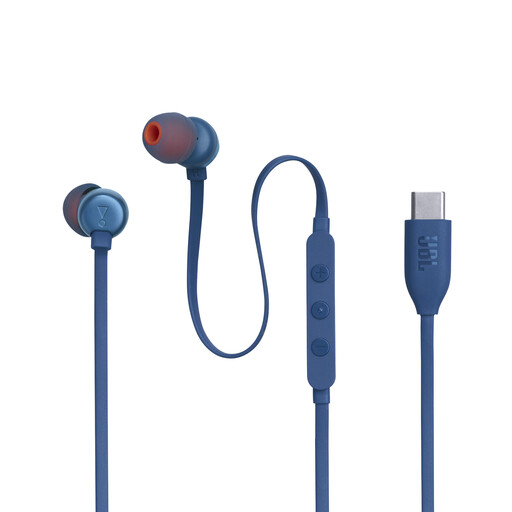
JBL Tune 310C, blue
A wired option if you’re using a compatible USB-C audio source and don’t want to pair via Bluetooth or carry a charging case.
Check in advance that your audio source’s USB-C connection supports audio.
Joybuy
 No image available
Samsung Galaxy Buds4 Pro, black
These wireless in-ear earbuds with active noise cancelling are an option if ambient noise gets in the way of spoken commentary.
Noise cancelling can also make conversations and instructions harder to hear. When using them, check that you can still hear enough of what’s going on around you.
Joybuy
 No image available
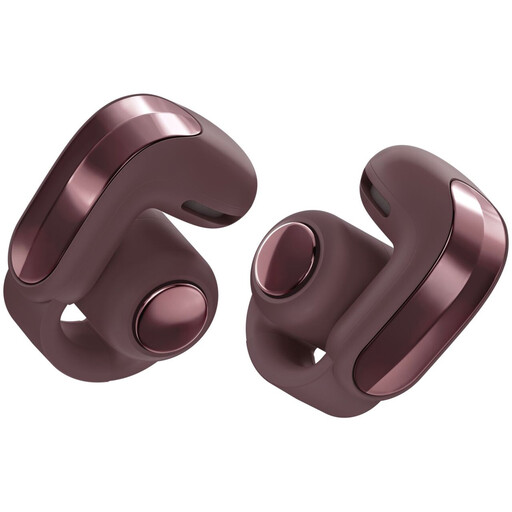
Bose Ultra Open Earbuds 2nd Gen, Cherry Chocolate
An open-ear option if you want to stay aware of ambient sounds while listening.
The open design may make spoken audio harder to follow in a noisy space.
Joybuy
 No image available
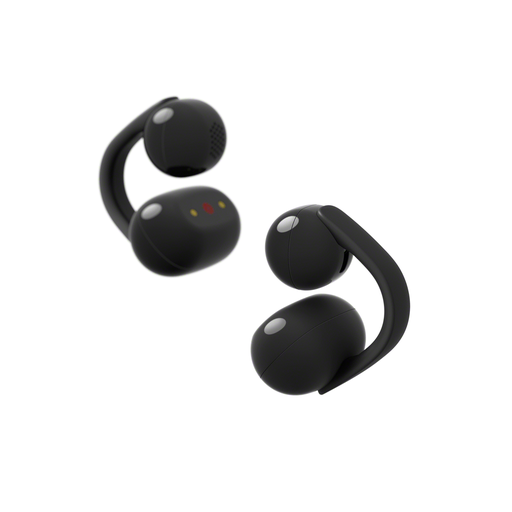
Sony LinkBuds Clip, black
The open-ear clip-on design is an option if you want to stay approachable and hear ambient sounds.
An open design offers less noise isolation, which may make the spoken tour harder to follow in a noisy space.
Joybuy
 No image available
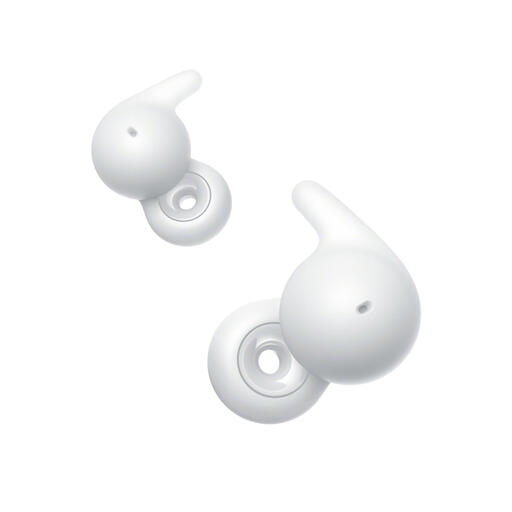
Sony LinkBuds Open, white
These wireless open-ear earbuds are a good fit if you want to stay aware of ambient sounds while listening.
Sony describes the LinkBuds Open as having an open ring design. This may make spoken audio harder to follow in a noisy space.
Joybuy
Frequently asked questions
Can you use your own earbuds for every museum audio tour?
Not without checking how the museum runs its tours first. The Rijksmuseum describes audio tours in an app, while the Van Gogh Museum says you collect a booked tour from the Audio Desk. Check which device you’ll be using and whether your earbuds can connect to it.
How can you avoid turning the audio up too loud?
Start at a low volume and take listening breaks. The World Health Organization recommends using no more than 60% of your device’s volume as a simple precaution. This is health advice, not a legal requirement for earbuds.
What should you check before your visit?
Check whether the tour runs on your phone or a museum device, test the connection and controls in advance, and charge your wireless earbuds. Compare listening time per charge with the total time including the case: you can’t use the earbuds while they’re charging in the case.
What are your rights when buying online in the Netherlands?
According to the Dutch Government, when buying at a distance you generally have 14 days to change your mind, although there are exceptions. If a product is faulty, you can exercise your statutory rights with the seller. The Dutch Government says there is no fixed statutory warranty period for all products in the Netherlands.


