
Following interviews over cabin noise
You want to follow spoken passages without constantly turning up the volume. A good fit and noise cancelling can help, according to the World Health Organization.


Sealing in-ear earbuds with ANC are a sensible choice if you want to reduce cabin noise and find them comfortable to wear. Choose a more open design if pressure in your ear canal is a concern, or wired earbuds if your device has the right connection. The World Health Organization recommends well-fitting noise-cancelling headphones to help reduce the temptation to turn up the volume in noisy surroundings. Compare the battery life per charge with your listening plans, and pause for announcements. On board, follow the instructions of the cabin crew and your airline.
You want to follow spoken passages without constantly turning up the volume. A good fit and noise cancelling can help, according to the World Health Organization.
You want to avoid interruptions caused by pressure in your ears or a flat battery. Fit and listening time per charge are therefore important; the Consumers’ Association notes that comfort varies from person to person.
You want to follow interviews but also be able to pause for staff and announcements. Prepare your audio source in advance and follow the cabin crew’s instructions during the flight.
For interviews on a long flight, your choice comes down to balancing speech clarity, comfort, listening time, an available audio source and staying alert to announcements.
| What to consider | What to look for | Who should give this extra thought? |
|---|---|---|
| Speech over cabin noise | Try the fit with spoken audio and assess ANC at a comfortable volume. | If I want to keep following conversations without constantly turning up the volume, speech clarity comes first. Around 28% of consumers in this choice category give it top priority. |
| Comfort during long listening sessions | Try the available tip sizes and look out for pressure points when wearing them for longer periods. | If earbuds start to feel uncomfortable after a while, it can be difficult to keep listening. Around 22% of consumers prioritise long-term wearing comfort. |
| Listening time per charge | Compare the stated battery life per charge with ANC on; don’t count the hours provided by the case as one listening session. | I want to listen to an interview all the way through without having to recharge. Around 22% of consumers make listening time per charge their top priority. |
| Audio source on board | Check that interviews play offline on your own device and that the seat’s connection works with your setup. | If I want to make sure the interviews are available during the flight, I prepare my audio source in advance. For around 17% of consumers, availability is the main priority. |
| Noticing announcements | Check how to pause or switch to ambient mode, and actively pause when announcements are made. | I want to be able to stop listening quickly when a member of staff speaks to me. Around 11% of consumers give noticing announcements top priority. |
Total playback time may include using the charging case. You’ll need to put the earbuds in the case in between, interrupting your listening.
Compare the stated battery life per charge at the settings you plan to use, not just the total including the case.
An ear tip that doesn’t seal properly or feels uncomfortable can make listening less comfortable on a long flight. The right fit varies from person to person.
Try the available tip sizes with spoken audio, and assess comfort and the seal separately.
Bluetooth on your earbuds doesn’t automatically mean the aircraft’s entertainment system can send audio to them.
Check the connection available on your specific flight, or download your interviews to your own device in advance.
The stated battery life figures are manufacturers’ specifications. Your personal fit and the settings you use still matter.
The WF-1000XM5 is a wireless in-ear option that lets you compare ANC, ambient mode and battery life per charge.
The AirPods Pro 3 are an in-ear option with ANC and Transparency mode.
According to JBL, the Tune Buds 2 combine ANC with Smart Ambient and multipoint.
The MOMENTUM True Wireless 4 has adaptive ANC, different ear tip sizes and sound settings.
The original QuietComfort Ultra Earbuds are an ANC option; when comparing, note the difference from the second generation.
This selection includes wireless in-ear earbuds with ANC and multipoint, as well as wired USB-C earbuds. Compare the fit, battery life per charge and connection for your audio source.
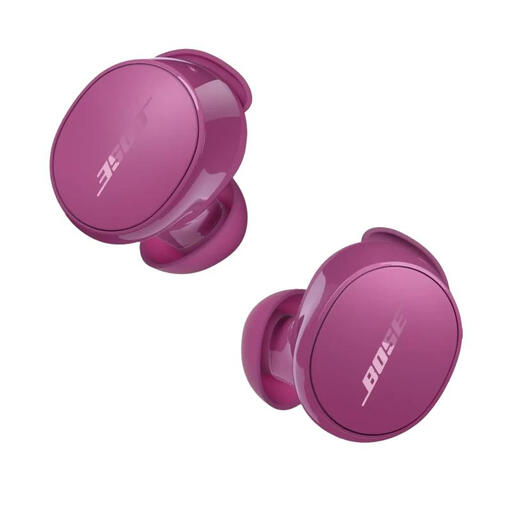 No image available
An option if you want to combine noise cancelling with the ability to let in ambient sound.
The product description lists Quiet and Aware modes, as well as Bluetooth multipoint.
 No image available
Could be a good fit if you’re looking for wireless in-ear earbuds with ANC for listening to interviews on your own device.
Stated battery life: 6 hours per charge with ANC on. The 26 hours with the case is total battery life, not uninterrupted listening time.
 No image available
A wired option if you don’t want to plan around earbud battery life and your audio source has a compatible USB-C connection.
The description lists QuietControl noise reduction, an in-line remote and microphone, three sizes of ear tips and two sizes of stability wings.
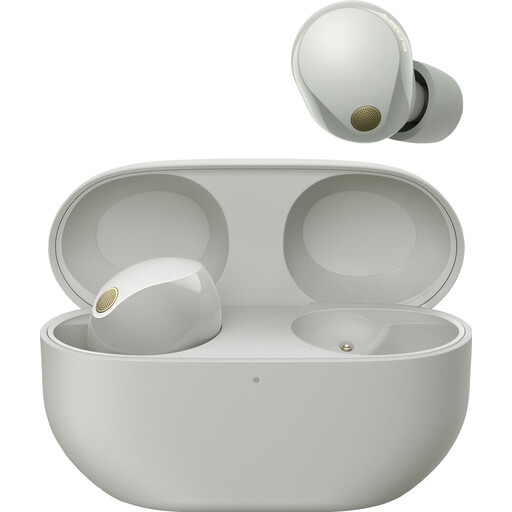 No image available
An option if you want wireless in-ear earbuds with ANC and want to compare battery life per charge.
The stated maximum battery life is 8 hours per charge with ANC on; the description also lists multipoint.
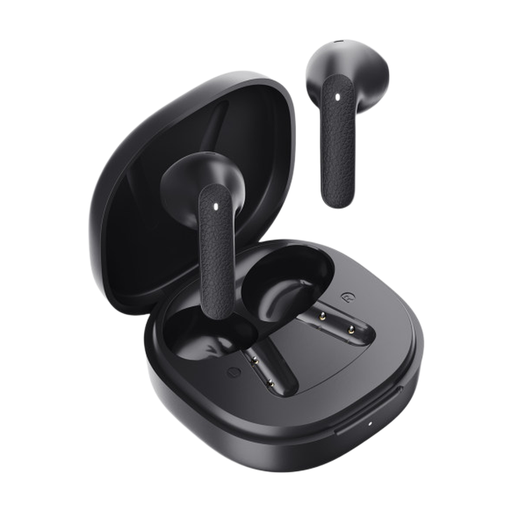 No image available
A wireless in-ear option if you’re playing interviews on your own device and want to weigh up listening time per charge.
Stated battery life: 7 hours per charge and 35 hours in total with the case; that total isn’t one uninterrupted session. The description lists Bluetooth 5.4, IPX4 and a USB-C charging port.
According to the product description, this model is compatible with Android and iOS.
This makes you less reliant on on-board Wi-Fi. KLM says that not every aircraft has Wi-Fi, so check that your interviews play offline before you leave.
Try different ear tips and check that the seal remains comfortable. The Consumers’ Association notes that in-ear comfort varies from person to person, so test the fit rather than relying solely on the stated weight.
Don’t assume Bluetooth is permitted during every phase of every flight. Follow the cabin crew’s instructions and check your airline’s policy; the European Union Aviation Safety Agency refers to flight mode and airline instructions for portable electronic devices.
According to the European Union Aviation Safety Agency, spare batteries and power banks must go in your hand luggage, not your checked baggage. Also check your airline’s current baggage rules.
According to the World Health Organization, well-fitting noise-cancelling headphones can reduce the need to turn up the volume in noisy surroundings. ANC doesn’t make listening at a high volume safe, so keep the volume low.