
Listener distracted by household noise
You play short Dutch speech clips repeatedly and want to reduce background noise without turning up the volume.


Choose in-ear earbuds that seal well if household noise distracts you. An open design or transparency mode is a better fit if you want to hear your housemates. Check the fit, whether they connect to your device and, for wireless models, the earbuds’ own battery life. The WHO recommends well-fitting earbuds and noise cancellation where possible, to help prevent you from turning up the volume to drown out background noise.
You play short Dutch speech clips repeatedly and want to reduce background noise without turning up the volume.
You practise for longer stretches and care most about a comfortable fit and whether wireless earbuds need recharging along the way.
You want to listen to your practice privately, but still hear when someone at home speaks to you.
First decide whether household noise distracts you or staying in touch with your housemates matters more. Then choose between noise-isolating earbuds, a more open design or a wired connection.
| What to consider | What should you check? | Who should pay particular attention? |
|---|---|---|
| Understanding speech against background noise | Check the fit, the included ear tip sizes and, if you want it, whether the model has active noise cancellation. Try them with your own listening exercises. | If household noise distracts you, you’ll want to follow speech without turning up the volume. Around 33% of consumers put speech clarity first. |
| Comfort during repeated listening | Check the available ear tip sizes and fit type, and review the returns policy before you buy. | An uncomfortable fit can get in the way during longer practice sessions. Around 27% of consumers prioritise wearing comfort. |
| Being able to hear your housemates | Check whether the model has a transparency mode, or consider an open design if you want to stay reachable at all times. | If someone at home might speak to you while you’re practising, you’ll want to hear them, even if that lets in more background noise. Around 20% of consumers put staying reachable first. |
| Connection and battery life | Check your device’s connection or Bluetooth support. For wireless models, compare the earbuds’ own battery life with your preferred listening mode switched on, separately from the total including the charging case. | If you practise on one device and don’t want to stop to recharge, you’ll need a suitable connection and enough battery life for your listening sessions. Around 20% of consumers start by considering device convenience. |
A total that includes recharges from the case doesn’t tell you how long you can use the earbuds continuously. You can’t wear them while they’re charging in the case.
Compare the stated battery life of the earbuds themselves, with your preferred listening mode switched on.
An uncomfortable fit or a poor seal can make longer practice sessions difficult. Noise cancellation also doesn’t work in the same way in every situation.
Check the available ear tip sizes and the returns policy before buying.
According to the WHO, hearing risks are linked to sound level, listening time and how often you’re exposed to it.
First try a better seal or a quieter time to practise. Keep the volume low and take breaks.
The WF-C710N is an example of wireless in-ear earbuds with noise cancellation and a transparency mode.
According to JBL, the Tune Buds 2 let you choose between noise cancellation and ambient sound features.
The AirPods 5 are a wireless option with noise cancellation and Transparency mode; check that this version is compatible with your device.
The Galaxy Buds3 FE are worth considering if you switch between Samsung Galaxy devices.
This Joybuy selection features wireless in-ear models. Compare the fit, the stated ambient sound features and how they connect to your practice device.
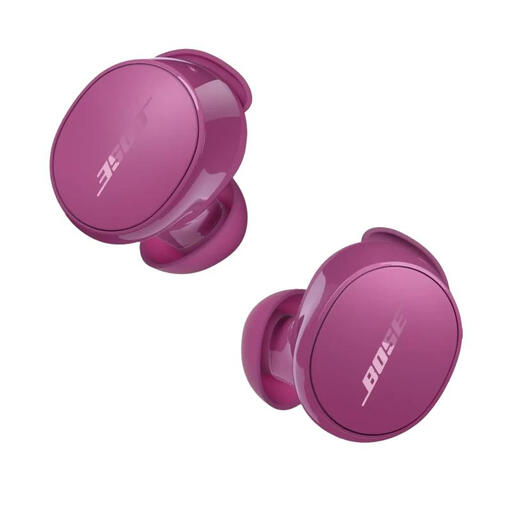 No image available
A wireless in-ear option to consider if you want to reduce background noise but still hear ambient sounds from time to time. Check that the fit suits you.
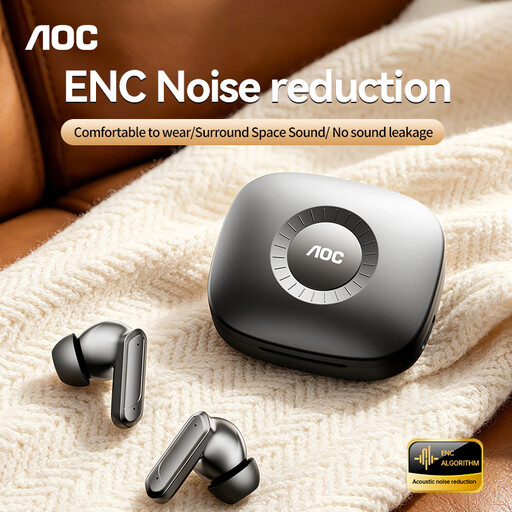 No image available
A wireless option for a device that supports Bluetooth. The ENC reference in the product name relates to calls and, by itself, says nothing about how clearly you’ll hear listening exercises.
Bluetooth 5.4; touch controls.
 No image available
A wireless in-ear option to consider if noise cancellation suits your listening environment. Check which features work with your device.
True Wireless; active noise cancellation listed in the product name.
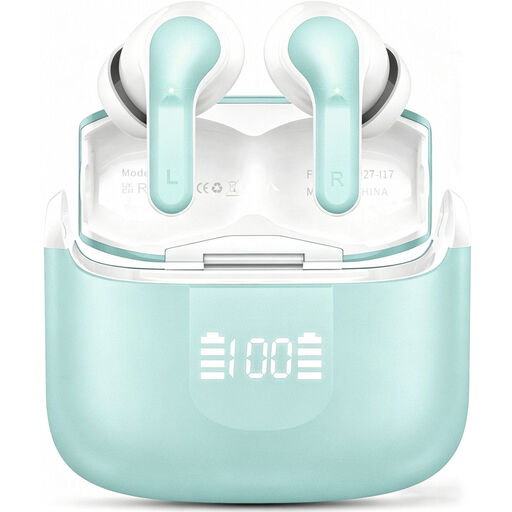 No image available
A wireless in-ear option to consider if your device supports Bluetooth. Also check that the listed connections suit how you plan to use them.
Bluetooth 5.4; USB-C; IPX7 listed in the product name.
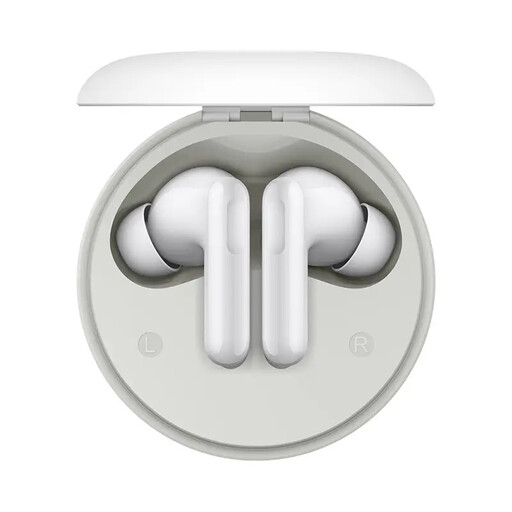 No image available
A wireless in-ear option to consider if you’re looking for active noise cancellation. Also check the fit and which ambient sounds you want to keep hearing during practice.
12.4 mm driver; active noise cancellation listed in the product name.
Not necessarily. Start with a good fit and a low volume that’s still easy to hear. The WHO recommends well-fitting earbuds and noise cancellation where possible to help prevent you from turning up the volume because of background noise. Take breaks during long listening sessions. This is health advice, not a legal volume limit.
Use transparency mode if your model has one, or take an earbud out when you want to respond. Check in advance how to switch between listening modes; Sony lists this feature for the WF-C710N.
Not always. The Dutch Consumers’ Association points out that long battery life figures often include recharges from the case. So compare the stated battery life of the earbuds themselves, using your preferred listening mode.
According to the Dutch government, you’re entitled to a product that works as it should, and there’s no fixed statutory warranty period in the Netherlands. What you can reasonably expect also depends on the product. If something is faulty, contact the seller; a manufacturer’s warranty doesn’t replace your statutory rights.
For an online consumer purchase, the Dutch Authority for Consumers and Markets says you’ll usually have a cooling-off period of up to 14 days after delivery, although legal exceptions apply. Before buying, check the terms for the specific packaging and trying the earbuds on; don’t assume you have an unconditional right to return them.