
Listening in a noisy room
You’re practising spoken Dutch while other people are already in the room. A good fit can help reduce sound leakage; VeiligheidNL highlights the importance of well-fitting earbuds.


Choose well-fitting, noise-isolating earbuds if background noise drowns out spoken Dutch; opt for an open design or a useful ambient mode if you want to keep hearing the group. Consumentenbond and VeiligheidNL highlight fit and background noise as factors to consider, but no design guarantees that speech will be equally clear in every room. Also compare the controls, playback time per charge and compatibility with your device.
You’re practising spoken Dutch while other people are already in the room. A good fit can help reduce sound leakage; VeiligheidNL highlights the importance of well-fitting earbuds.
You don’t want to miss an instruction or the start of the rehearsal. Compare an open design with an ambient mode, such as the features JBL and Sony describe for the models mentioned.
You practise for short periods or repeat a track and want a comfortable way to wear your earbuds. Compare in-ear earbuds with an open design; fit varies from person to person.
Choose this option: if background noise is interfering with your listening and you find silicone eartips comfortable.
Bear in mind: a tight seal can make conversations in the room harder to hear; Consumentenbond notes that noise cancellation in earbuds often works less well than in headphones.
Choose this option: if you want to keep hearing the group and don’t want to wear anything in your ear canal.
Bear in mind: an open design doesn’t block out the surrounding space and is not hearing protection in itself.
Choose this option: if you want to listen while practising and then quickly talk to the group; JBL describes open and noise-isolating eartips for the Tune Flex 2, while Sony lists an ambient sound mode for the WF-C710N.
Bear in mind: fit and comfort still depend on the model and your ears; the listening modes mentioned are manufacturer specifications, not an independent speech intelligibility test.
Choose this option: if your device has a compatible audio connection and you want to listen without charging or pairing via Bluetooth.
Bear in mind: check the plug or adapter you’ll need; a cable can restrict your movement.
For listeners practising Dutch listening exercises just before a group rehearsal, the choice mainly comes down to speech clarity, staying in touch with the group, comfort and being able to press play straight away.
| What to consider | What to look for when buying | Who should pay particular attention? |
|---|---|---|
| Understanding spoken Dutch | How the eartips fit, whether there’s noise cancellation and whether you can follow the text at a comfortable volume. | If I’m practising in a room where people are already talking, I want to follow the spoken text without automatically turning the volume up. Around 36% of consumers put speech clarity first. |
| Keeping in touch with the group | An open design, ambient mode or an easy-to-reach way to switch between listening modes. | If the rehearsal could start at any moment, I want to hear instructions while I’m still listening. Around 29% of consumers prioritise staying approachable. |
| Fit for repeated listening | Which eartips and sizes are included, and whether the wearing style suits your ears; check the applicable returns policy before buying. | If I’m repeating a track several times, I want a comfortable way to wear my earbuds. Around 21% of consumers put comfort first. |
| Being able to play audio straight away | Controls on the device, the earbuds’ playback time per charge and, for wired models, the connection. | If I want to practise just before the rehearsal, I want to get started without charging or connection problems. Around 14% of consumers prioritise being able to play audio straight away. |
The quoted total time may include recharges from the case. You can’t use earbuds while they’re charging in the case. Consumentenbond also reports that the batteries in wireless earbuds are almost never replaceable.
Compare playback time per charge in the listening mode you want to use, rather than looking only at the total time including the case.
Having to charge your earbuds in the case partway through could interrupt your preparation.
An open design lets you hear surrounding sounds, but it doesn’t block out distracting noise in the same way. VeiligheidNL says there’s no evidence that bone conduction reduces the risk of hearing damage; listening with an open design is no reason to turn the volume up.
Beforehand, decide whether you mainly want to stay approachable or block out background noise at your practice location, and keep the volume comfortable.
Apple distinguishes between AirPods 4 and AirPods 4 with Active Noise Cancellation. A version without this extra feature won’t necessarily have the same functions.
Check the full model name and features of the specific version before ordering.
Another version may not have the listening mode you’re looking for at your practice location.
The WF-C710N is an in-ear option with an ambient sound mode.
The Tune Flex 2 is worth considering if you want to compare open and noise-isolating eartips within one model.
The OpenFit 2 is an open-ear option for anyone who wants to keep hearing the group.
AirPods 4 with Active Noise Cancellation are a wireless, non-sealing option with Transparency mode.
This selection includes wired USB-C earbuds and wireless in-ear and open-ear models, for anyone who wants to compare how they suit practising while staying in touch with the group.
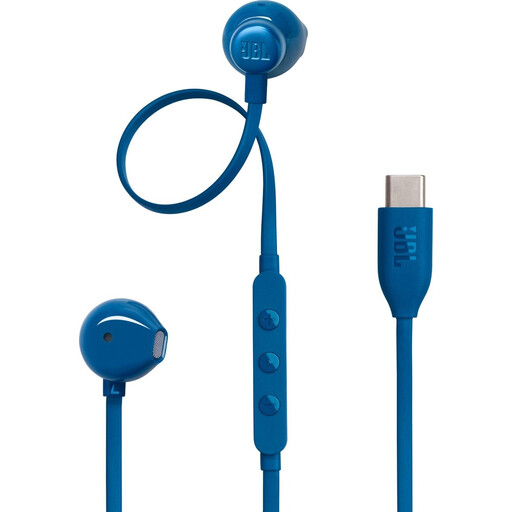 Image unavailable
For anyone who wants to control tracks directly without holding their phone; the product description mentions in-line controls. Check that your playback device has a compatible USB-C connection.
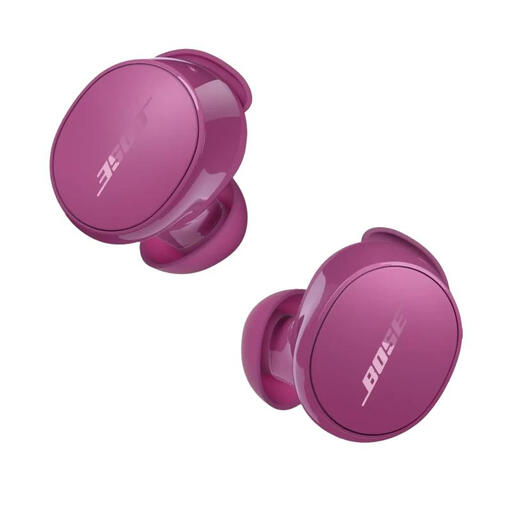 Image unavailable
An option to compare if you want to stay in touch with the group while listening; the product description mentions Quiet and Aware modes. Compare the controls and fit with what works comfortably for you.
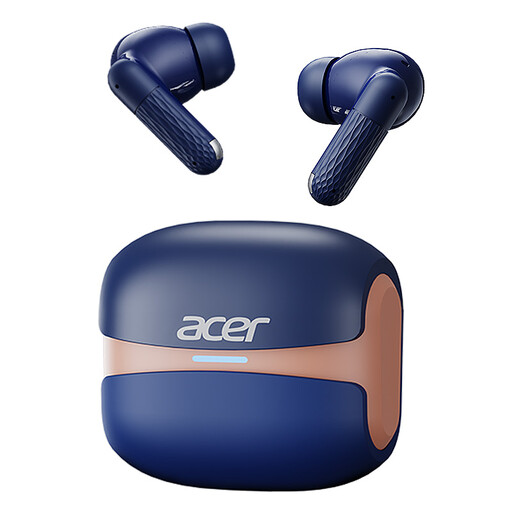 Image unavailable
For anyone who wants to practise wirelessly with an in-ear model; fit and controls are worth considering for your needs. The title lists Bluetooth 5.4 and a Type-C charging case.
 Image unavailable
For anyone looking to compare in-ear earbuds with Active Noise Cancellation. The title mentions Active Noise Cancellation; also consider the fit and controls for your practice location.
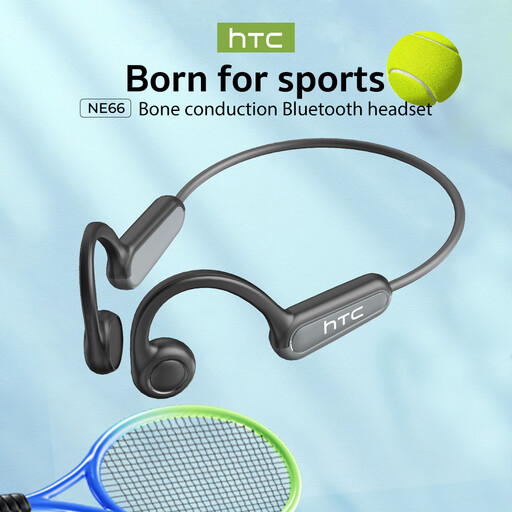 Image unavailable
For anyone who wants to compare an open wearing style and stay approachable. An open design doesn’t block out background noise or guarantee that spoken Dutch will be clear in every room; the title mentions bone conduction technology and Bluetooth 5.4.
Not necessarily: start with the fit and the level of background noise. VeiligheidNL recommends well-fitting earbuds so you need less volume; don’t automatically turn the track up to drown out noise in the room. Noise cancellation can be an extra option if background noise remains distracting, but bear the playback time in mind.
Choose a model with controls that let you pause quickly or switch on an ambient mode. Sony and JBL list listening modes for the models mentioned; check how the controls work with your model and playback device.
It might, so focus on the earbuds’ continuous playback time in the listening mode you want to use. Consumentenbond warns that long total times often include recharging the earbuds in the case along the way.
Bluetooth earbuds placed on the Dutch market as radio equipment must meet the applicable requirements. According to the Rijksinspectie Digitale Infrastructuur, devices that meet all the requirements receive a CE mark; a statement on a shop page doesn’t in itself prove that an individual item is compliant.
For an online distance purchase from a professional seller, you generally have a 14-day cooling-off period from the delivery date. Before breaking any seal, check which exceptions and returns conditions apply; don’t assume you have an unlimited right to try them on.