
Listener of recorded lectures
You play Dutch-language lectures or classes while other people are talking and want to follow the speaker at a moderate volume.


For a recorded lecture, well-fitting, sealing in-ear earbuds are a sensible option for making background conversations less prominent; check that the speaker remains clear at a moderate volume. For a live lecture, maximum noise cancellation is not automatically the right choice: compare open-ear earbuds, an ambient sound mode and listening without earbuds from your seat.
You play Dutch-language lectures or classes while other people are talking and want to follow the speaker at a moderate volume.
You want to hear the speaker in the room and find out whether earbuds can help manage background chatter without blocking out the speaker.
You switch between lectures and are mainly concerned with comfort, listening time per charge and controls while listening.
First decide whether you’re playing a recording or trying to hear a speaker in the room. Then you can weigh up how much isolation and which sound modes you need.
The percentages show which buying concern matters most to consumers in this lecture-listening context.
| What to consider | What to look for when buying | Who this matters to |
|---|---|---|
| Following a recorded speaker | Fit and ear tip sizes; test the speaker at a moderate volume. | When I play a recorded lecture while people nearby are talking, I want to follow the speaker without turning up the volume. Around 40% of consumers prioritise this. |
| Hearing a live speaker | Compare open-ear earbuds, ambient sound and listening without earbuds from the seat where you plan to listen. | At a live lecture, I want to keep hearing the speaker in the room without expecting earbuds to filter their voice separately from background chatter. Around 30% of consumers prioritise this. |
| Comfort and listening time | Try the fit and compare listening time per charge with the length of the session. | During a long session, I want earbuds that feel comfortable and don’t need to go back in the charging case part-way through. Around 20% of consumers prioritise this need. |
| Switching between a recording and the room | Check the controls and app compatibility with your own device; try how quickly you can pause or switch to a different sound mode. | When I switch between a recording and paying attention to the room, I want to be able to adjust the controls easily. Around 10% of consumers prioritise this. |
At a live lecture, both the speaker and the conversations around you come from the room. An ANC claim doesn’t prove that the speaker will be easier to understand.
First decide whether you’ll be playing a recording or listening to a live speaker. For a live lecture, also compare open-ear earbuds, an ambient sound mode and listening without earbuds.
Total listening time with the case includes time spent recharging; you can’t wear the earbuds while they’re charging in the case.
Compare listening time per charge in your chosen sound mode with the length of your lecture.
If the earbuds need to be recharged part-way through, your listening session may be interrupted.
Fit varies from person to person and affects how well the earbuds seal.
Check which ear tip sizes are available and read the information about the seal and applicable returns policy before opening the packaging.
AirPods Pro 3 combine sealing in-ear earbuds, ANC and transparency mode, which may be useful if you play recordings and sometimes want to hear sounds in the room.
The OpenFit 2 is an open-ear option if you want to remain aware of the room during a live lecture.
The WF-1000XM6 is a sealing ANC option to consider for recorded lectures.
According to JBL, the Tour Pro 3 combines ANC with adjustable ambient sound and controls on the charging case.
These product picks are aimed at recorded lectures played from a device, using in-ear earbuds with noise cancellation. They’re no substitute for comparing open-ear earbuds or listening without earbuds if you’re trying to hear a live speaker in the room.
 No image available
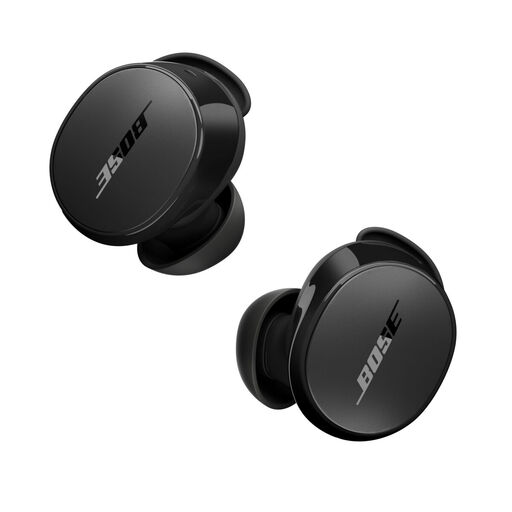
The wired version may suit recordings played from a compatible audio source; check in advance that your device has the right connection.
Wired earbuds with noise cancellation.
 No image available
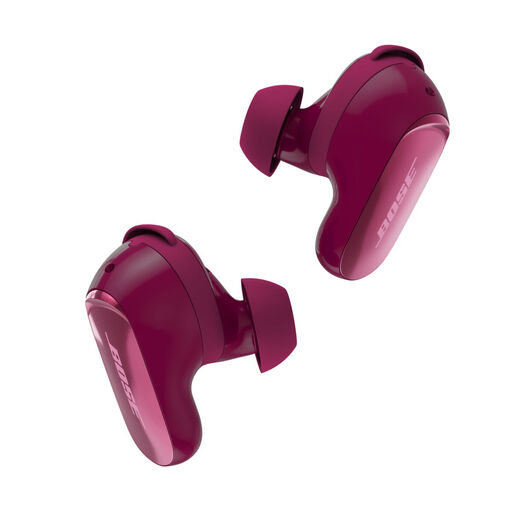
The listed active noise cancellation is relevant for recorded lectures. The stated Aware mode lets in ambient sound, but it doesn’t guarantee that you’ll be able to hear a live speaker over conversations.
In-ear earbuds with active noise cancellation and three sizes of ear tips.
 No image available
The stated noise cancellation and Aware mode may be useful if you switch between a recording and ambient sound. Try the fit, and don’t expect the mode to make a live speaker clearer than the surrounding conversations.
In-ear earbuds with active noise cancellation and nine sizes of ear tips.
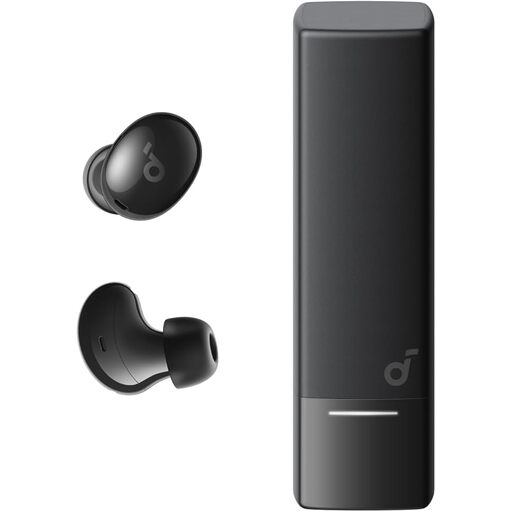 No image available
The stated active noise cancellation is intended for listening from a device; it doesn’t guarantee that you’ll be able to hear a live speaker over background conversations.
The described multipoint connection may be useful if you switch between a laptop and phone; check that it works with your own devices.
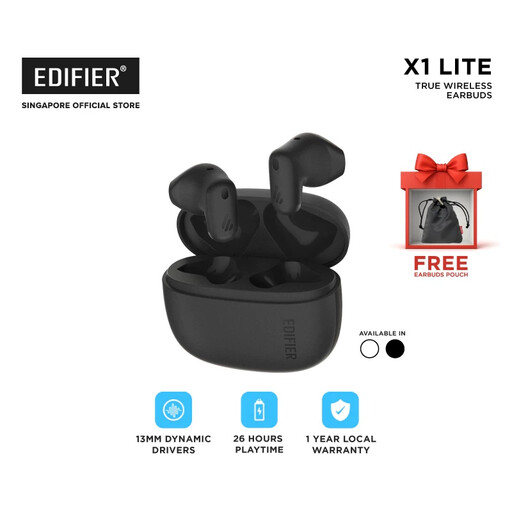 No image available
These wireless earbuds are designed to play audio from a device. Consider them for recorded lectures, but don’t assume they’ll isolate a live speaker from conversations.
Not necessarily. Both the speaker and the background chatter come from the room. From your seat, compare listening without earbuds, open-ear earbuds and an adjustable ambient sound mode; an ANC specification doesn’t prove that only the conversations will be filtered out.
Try the fit beforehand, charge the earbuds and compare listening time per charge with the length of the session. Battery life that includes the case counts recharging time, when you can’t wear the earbuds. For a recording, keep the volume moderate rather than trying to drown out background noise.
For online purchases, you generally have a statutory 14-day cooling-off period from delivery. ACM ConsuWijzer notes an exception for certain hygiene products that have been removed from their packaging. Don’t assume that every earbud automatically falls under this exception, and check the applicable information before opening the packaging. If the product does not meet the statutory requirements, the seller is responsible for providing an appropriate remedy under the statutory guarantee.
The Dutch government allows you to listen to music and make hands-free calls using earbuds while cycling. However, it advises you to remain aware of your surroundings, for example by keeping the volume low or wearing just one earbud. Stay alert to what’s happening around you.
No. Radio equipment must meet the applicable European market requirements; by applying the CE marking, the manufacturer declares that the product complies with the relevant rules. This doesn’t tell you how clearly you’ll hear a lecture over conversations, and it isn’t an individual assessment of a specific model.