
Lecture listener bothered by cabin noise
Wants to follow spoken recordings without constantly turning up the volume, so looks for a good fit and noise cancellation.


Sealing in-ear earbuds with active noise cancellation are a good choice when cabin noise makes it difficult to hear your recorded lectures, provided the ear tips feel comfortable. If pressure in your ear canal is more of a concern, a less-sealing design may suit you better. Either way, compare the listening time per charge with the listening mode you plan to use.
Wants to follow spoken recordings without constantly turning up the volume, so looks for a good fit and noise cancellation.
Wants to listen for hours without ear tips becoming uncomfortable in the ear canal, and is happy to accept less shielding from cabin noise.
Wants to know whether a single charge will last for the planned lectures in their chosen listening mode.
Start by weighing up sealing ear tips with noise cancellation against a less-sealing fit. Then check the listening time in your preferred mode, and make sure your earbuds work with the device you’ll be playing your recordings on.
| Concern | What to check | Who it matters more to |
|---|---|---|
| Hearing speech over cabin noise | Check the fit and whether you can use active noise cancellation. The WHO recommends well-fitting noise-cancelling earbuds to reduce the temptation to turn up the volume in noisy environments. | If quiet parts of your recording get lost in the sound of the aircraft, you’ll want to follow the speech without constantly turning up the volume. Around 31% of consumers say being able to hear clearly over cabin noise is their top buying priority. |
| Comfort over several hours | Check which ear tip sizes are included; consider an open design if sealing in-ear earbuds don’t feel comfortable. | If ear tips start to feel uncomfortable after a long time, a tolerable fit matters more to you than a seal. Around 25% of consumers prioritise comfort over sound isolation. |
| Listening time without interruption | Compare the stated hours per charge with the noise cancellation and other settings you plan to use. Don’t count the charging case as uninterrupted listening time. | If you want to listen to several lectures in a row, you’ll want to know whether your earbuds will last for the whole planned session in that listening mode. Around 19% of consumers make avoiding a charging break their top priority. |
| Connecting to your playback device | Check where your files are stored, whether they’re available offline and which connection or Bluetooth options your device actually has. | If you rely on a particular phone, tablet or aircraft connection, you’ll want to know in advance how you can play your recording. Around 13% of consumers say compatibility with their playback device is their main reason for buying. |
| Price and lifespan | Compare the features you’ll actually use, battery life per charge and what’s included in the box. | If you’re mainly paying for what you need to listen to lectures, don’t let unused features become the deciding factor. Around 12% of consumers prioritise getting what they need without unnecessary features. |
A total figure that includes the charging case isn’t the same as the time you can wear the earbuds continuously. The stated listening time may also vary between modes.
Compare the hours per charge with the settings you’ll use while listening to your recording, and plan a charging break if needed.
You’ll need to stop listening to charge the earbuds in the case.
A sealing ear tip may feel comfortable to one listener but become uncomfortable for someone else after a few hours. An open design doesn’t seal the ear canal, so it offers less isolation.
Try the available ear tip sizes and weigh comfort against how clearly you can hear over cabin noise.
Rules on electronic devices, connections and Wi-Fi can vary from flight to flight. Your own offline recording and the onboard entertainment system are separate ways to play audio.
Check the flight information and the connection on your device in advance; download lectures for offline listening where possible.
Depending on the flight, you may need a different connection or an offline recording.
In the Netherlands, statutory rights may also apply if a product doesn’t perform as you could reasonably expect under normal use.
Keep your proof of purchase and contact the retailer if the product develops a fault prematurely.
The WF-1000XM5 is a sealing in-ear option worth comparing if you listen from your own Bluetooth device and want to use active noise cancellation.
AirPods Pro 3 are in-ear earbuds with active noise cancellation and five included ear tip sizes, if the fit and compatibility with your devices are right for you.
The Liberty 4 NC is a sealing ANC option; the AeroFit 2 is a separate open-ear model for anyone who doesn’t want sealing ear tips.
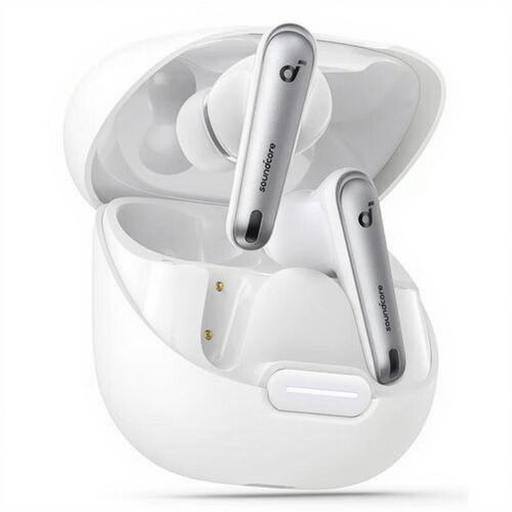
The Live Beam 3 is a sealing ANC option with controls on the charging case’s screen.
These options are sealing in-ear earbuds with active noise cancellation, for anyone who wants to listen to lectures from their own device and help reduce cabin noise.
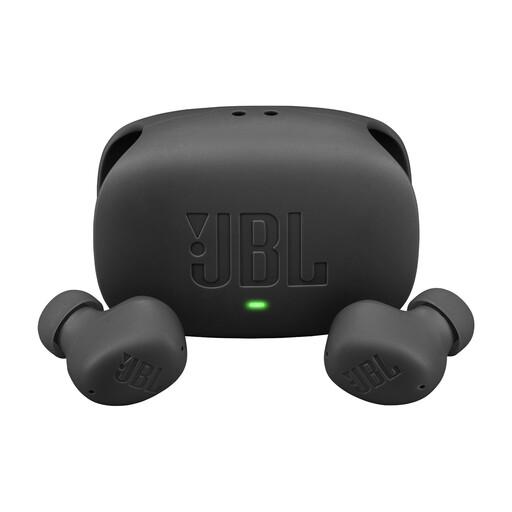 No image available
Active noise cancellation is mentioned as a feature for listening over cabin noise; the stated listening time per charge applies only when ANC is off.
Up to 10 hours of playback per charge with ANC off, according to the product description.
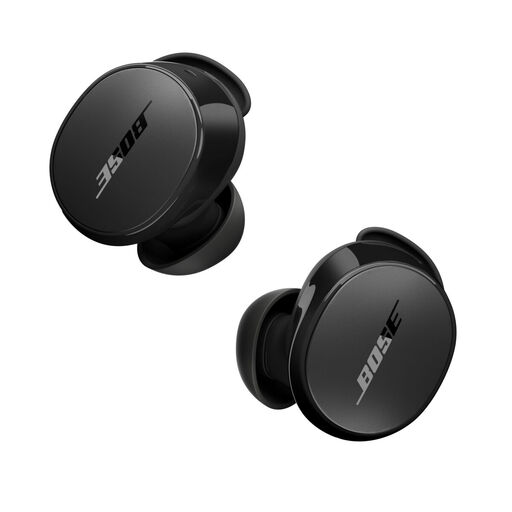 No image available
These in-ear earbuds combine active noise cancellation with an Aware mode; check which mode you plan to use while listening to your recording.
The product description states up to 8.5 hours of battery life per charge.
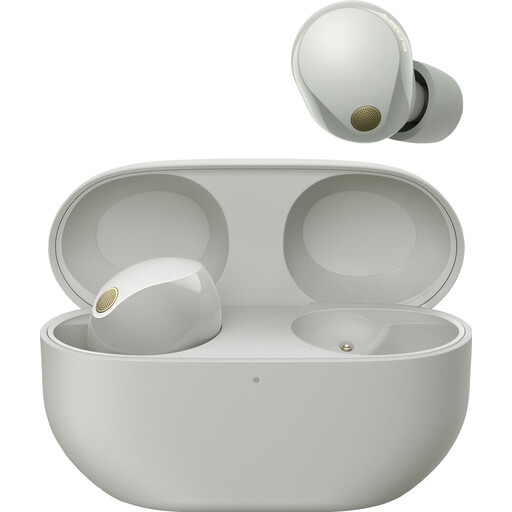 No image available
Sealing in-ear earbuds with active noise cancellation; a good seal is important when choosing ear tips.
Sony states that they offer up to 8 hours of listening time per charge with noise cancelling on.
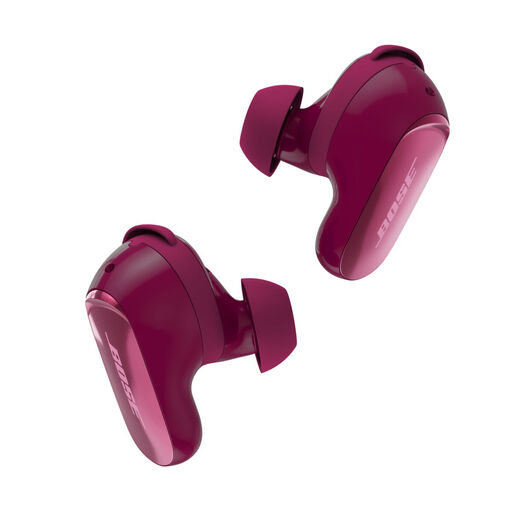 No image available
The product description mentions active noise cancellation and sealing ear tips; bear in mind the stated differences between listening modes.
Up to 6 hours per charge in Quiet or Aware mode, or up to 4 hours with Immersive Audio, according to the product description.
 No image available
An in-ear option with noise cancellation; listening time per charge also depends on your chosen listening settings.
soundcore states that they offer up to 8 hours with ANC on, or 5 hours with LDAC and ANC.
Not as a general rule for every flight. EASA says the airline decides which portable electronic devices can be used during each phase of a flight. Follow the crew’s instructions and check the Bluetooth policy for your flight in advance.
Don’t assume you can. KLM states that the Message Pass on Wi-Fi-equipped intercontinental flights can’t send or receive audio files; what you can do with a Wi-Fi Pass depends on the flight. If possible, make your recording available offline before departure.
Pack a spare power bank in your hand luggage, not your checked baggage. EASA and KLM distinguish spare batteries from devices with built-in batteries; also check your airline’s specific battery rules.
In the Netherlands, statutory guarantee rights may apply if the product doesn’t perform as you could reasonably expect under normal use. ACM ConsuWijzer says the retailer is your point of contact; a stated manufacturer’s warranty period isn’t automatically the limit of your statutory rights.
The WHO recommends well-fitting, noise-cancelling earbuds to help reduce the temptation to turn up the volume. Keep the volume low and take regular breaks; listening time matters too.