
Student in a noisy study space
Listens back to lectures amid background noise and wants a secure fit, so there’s no need to keep turning up the volume. VeiligheidNL points out that a good seal helps prevent sound from leaking out.


Start with a comfortable fit and controls that make it easy to pause and go back; check that these functions work in your playback app. Sealing in-ear earbuds or noise cancellation may suit a noisy study space, while a less-sealing design is an alternative if you find in-ear tips uncomfortable. For wireless models, compare listening time per charge, not just the total time with the case.
Listens back to lectures amid background noise and wants a secure fit, so there’s no need to keep turning up the volume. VeiligheidNL points out that a good seal helps prevent sound from leaking out.
Frequently pauses and rewinds to hear explanations or terms again. Controls that work with the playback app you use matter more than extra music features.
Wants a comfortable fit and enough battery life to avoid having to put the earbuds in their case to charge partway through. Fit and battery life per charge are important considerations.
| What to consider | What should you check? | Who is this important for? |
|---|---|---|
| Speech clarity | If possible, listen to a section of your own recording with the fit you intend to use. | If I want to follow spoken explanations at a comfortable volume, I focus on how my own recording sounds. Around 28% of consumers say speech clarity is their top priority. |
| Comfort | Check that the earbuds feel comfortable and, if different sizes are available, find out which size fits well. | When listening repeatedly, I want a fit that stays comfortable and doesn’t keep distracting me. Around 22% of consumers put comfort first. |
| Replay controls | Test pausing and going back in your own playback app; the previous-track command may restart the entire recording. | If I want to hear a sentence again, I need to be able to pause and go back quickly without losing focus on my studies. Around 22% of consumers name controls as their top priority. |
| Listening in peace | Listen at a comfortable volume and take breaks. The WHO points out that both volume and listening time matter. | In a place with background noise, I don’t want to keep turning up the volume to follow the recording. Around 17% of consumers put calm, responsible listening first. |
| Battery life per charge | Compare listening time per charge in the listening mode you want to use; charging in the case interrupts your listening. | For a long wireless session, I want to keep listening without having to recharge partway through. Around 11% of consumers say uninterrupted battery life is their top priority. |
The total stated battery life may include recharges from the case. You can’t use the earbuds while they’re charging.
Compare battery life per charge in the listening mode you expect to use, and allow for longer lectures.
Charging can interrupt a listening session; a battery that holds less charge over time can do the same.
Noise cancellation targets background noise while you listen; it doesn’t mean a poorly recorded voice will sound clearer.
Try a section of your own recording at a comfortable volume. Don’t choose based solely on a noise-cancellation or microphone claim.
A secure seal won’t feel comfortable for everyone. The ACM describes an exception to the statutory cooling-off period for hygiene products that have been removed from sealed packaging.
Before breaking any seal, check the terms that apply to the specific product.
The WF-C710N is an in-ear option to consider if you want a sealing fit and the ability to switch between devices.
The Tune Buds 2 are an in-ear option with noise cancellation, ambient mode and multipoint for switching between devices.
AirPods 5 with Wireless Charging Case are a less-sealing alternative if you’d rather not use silicone in-ear tips.
The Galaxy Buds3 FE are worth comparing if you use compatible Galaxy devices.
These product picks are suited to listening back to recordings, with controls, fit and background noise in mind.
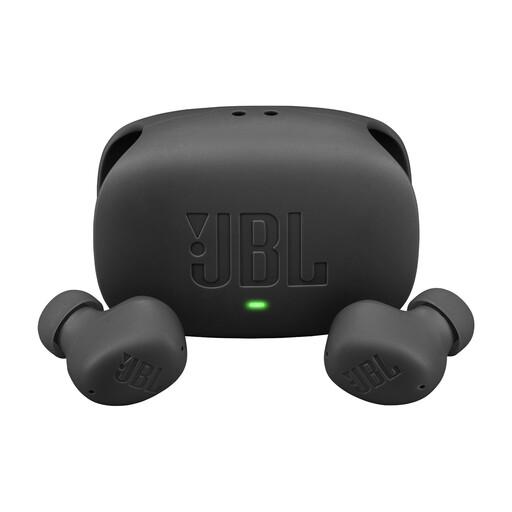 No image available
An option to consider if you want on-earbud controls and less background noise when listening back to recordings.
The stated maximum of 10 hours of playback applies with ANC off; playback time including the case includes additional charges.
 No image available
A wired option to consider if you don’t need a Bluetooth connection and physical controls matter to you.
This variant is wired, has a USB-C connection and doesn’t have Bluetooth.
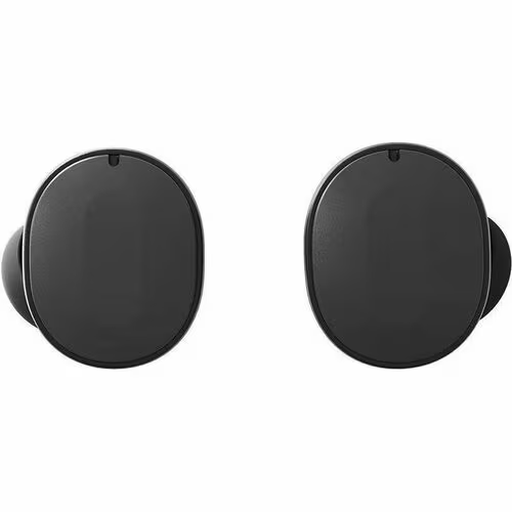 No image available
An option to consider if on-earbud controls and switching between study devices matter to you when listening back to recordings.
The stated maximum of 8 hours per charge applies with ANC off; total playback time with the case isn’t continuous listening time.
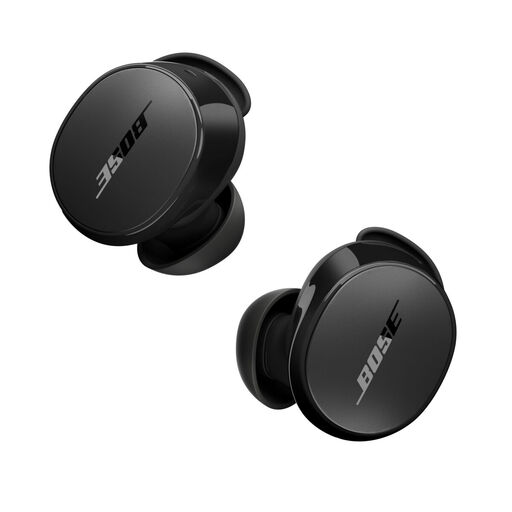 No image available
An option to consider if you often pause, go back to a previous track or want to reduce background noise while listening.
The product information lists tap controls, active noise cancellation and an Aware mode.
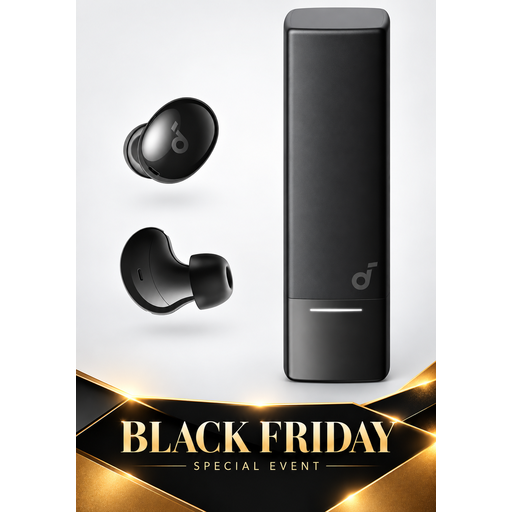 No image available
An option to consider if you want to switch between a laptop and phone and noise cancellation matters to you.
The stated maximum battery life is 7 hours per charge; check that this suits the length of your listening session.
No. Noise cancellation targets background noise while you listen; it won’t automatically fix an unclear recording. Try a section of your own lecture at a comfortable volume.
Compare the stated listening time per charge in the mode you want to use. Consumentenbond points out that the total time with a charging case includes charging breaks, during which you can’t use the earbuds.
No, not always. According to ACM ConsuWijzer, online consumer purchases generally come with a statutory 14-day cooling-off period after delivery, but the ACM describes an exception for hygiene products removed from sealed packaging. Before breaking any seal, check the terms that apply to the product.
Keep an eye on both the volume and your total listening time, and take breaks. The World Health Organization stresses that the volume, duration and repetition of exposure to loud sound all matter.