What should you look for when choosing?
Start with the recording and the device you’ll use to listen. Then decide whether a cable, freedom to move around or less background noise matters most to you.
| Consideration |
What to look for when buying |
Who is this important for? |
| Following speech clearly |
If possible, listen to a speech sample and check that pausing and rewinding are easy to do. |
If I often listen to passages again, I want to follow the words without having to fumble with the controls. Around 33% of consumers give clear speech top priority. |
| Comfort during long listening sessions |
Check the fit and, for wireless models, the stated battery life per charge. |
When listening to a long recording, I want earbuds that feel comfortable and won’t run out of battery unexpectedly. Around 27% of consumers prioritise comfort and listening for long periods. |
| Noise in your listening environment |
Compare the fit, noise cancellation and any ambient mode. Don’t expect noise cancellation to eliminate every sound. |
If noise in a shared or busy space distracts me, I want to choose how much of it I hear. Around 20% of consumers give background noise top priority. |
| Connections and devices |
For wired models, check that the connector is compatible with your specific device. For wireless use, compare the connection features you need. |
If I play the recording on a particular device or switch between devices, the connection needs to suit the way I use them. Around 20% of consumers prioritise compatibility and easy switching. |
Earbuds at Joybuy
This selection includes wired and wireless earbuds for private listening to recordings, including in-ear models with features for different listening environments.
 No image available
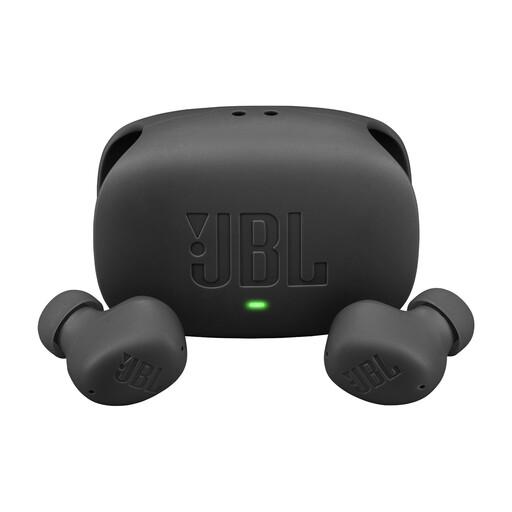
JBL Wave Buds 2, black
A wireless in-ear option for listening to lecture recordings privately. Check that the fit and controls suit the way you use them.
View at Joybuy
 No image available
Acer OHR548 wireless in-ear earbuds
A wireless in-ear option for listening privately. The product name lists Bluetooth 5.4 and a charging case with a Type-C connection.
View at Joybuy
 No image available
Bose Noise Cancelling Wired Earbuds, black
A wired in-ear option if you don’t want to use a wireless connection while listening. Check that the connector is compatible with your playback device.
View at Joybuy
 No image available
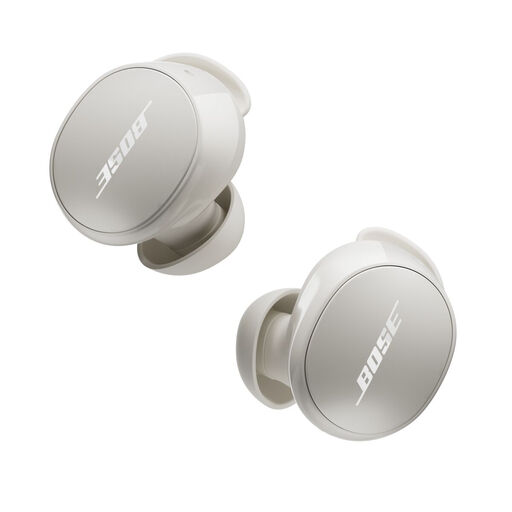
Bose QuietComfort Earbuds, White Smoke
A wireless in-ear option for listening to recordings privately. Compare the fit and controls with your listening environment and playback devices.
View at Joybuy
 No image available
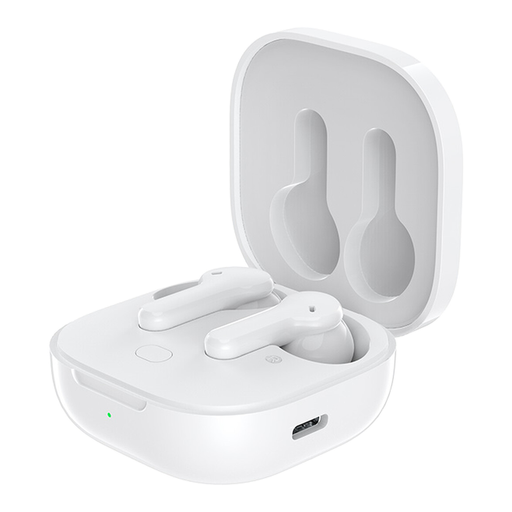
QCY-QT13, white
A wireless earbuds option for personal listening. Check that the connection works with the device your recording is stored on.
View at Joybuy
Frequently asked questions
Will active noise cancellation help if the lecturer is hard to hear in the recording?
No. Noise cancellation reduces sounds around you; it doesn’t process the recorded voice. Sony says it works best with relatively constant noise, so listen to the recording itself first and compare earbuds using a speech sample.
How can you listen for longer without continually turning up the volume?
Choose a comfortable fit and keep the volume low. The World Health Organization gives an average of 80 dB for up to 40 hours per week as an example of a safe listening dose; the higher the sound level, the shorter the recommended listening time. This is general listening advice, not a guarantee that a particular volume setting is safe on every device.
Do you need to install anything to use wired USB-C earbuds?
That depends on whether the specific model is compatible with your playback device. Sony describes the IER-EX15C as USB-C earbuds that don’t need charging. Check in advance that your device supports this model, as the connector alone doesn’t confirm compatibility.
What are your rights when buying online in the Netherlands?
According to the Dutch government, distance purchases generally come with a 14-day cooling-off period, although there are exceptions. Your statutory guarantee is separate from any additional cover. ACM ConsuWijzer explains that exceptions apply to certain hygiene products after a sealed package has been opened. Don’t assume this exception applies to every pair of earbuds; check the seller’s information before opening the packaging.
Can you record a lecture yourself to listen back to later with earbuds?
That depends on your educational institution’s rules; choosing earbuds doesn’t in itself give you permission to record. Check your institution’s rules and whether official recordings are available. For example, Vrije Universiteit Amsterdam states that its student regulations don’t allow students to make their own recordings; this isn’t a national rule that applies to every institution.


